
 18914229323

How to design safety interlock valves
Inindustrialproduction,especiallyinindustriessuchaschemicalengineering,petrochemicals,naturalgas,andelectricity,safetyisoneoftheprimaryconsiderations.Asanimportantpartofensuringthesafeoperationofthes...
Hotline
In industrial production, especially in industries such as chemical engineering, petrochemicals, natural gas, and electricity, safety is one of the primary considerations. As an important part of ensuring the safe operation of the system, the design concept and technology application of safety interlock valves are particularly important. This article will discuss the design methods of safety interlock valves from aspects such as basic concepts, design principles, key technologies, and application examples.
1. Basic concept of safety interlock valves
Safety interlock valves are a type of valve device that realizes the operation sequence control between multiple equipment through mechanical or electrical means. Their main function is to ensure that certain operations must be carried out in a predetermined sequence under specific conditions to prevent safety hazards caused by misoperation. For example, during the maintenance process of pressure vessels, the inspection door can only be opened after the system is depressurized, and the safety interlock valve can ensure the strict implementation of this sequence.
2. Design principles
14. Safety priority: The primary goal of the design is to ensure the safety of operators and equipment. The interlock system must be able to automatically cut off the source of danger or lock dangerous operations under any abnormal conditions.
13. Reliability and redundancy design: The system should have high reliability,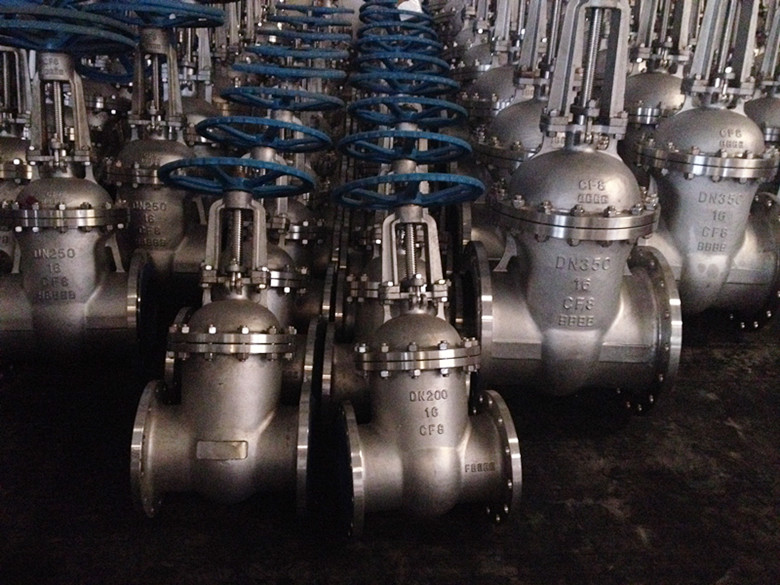 usually adopting redundancy design, such as dual-loop control, backup power supply, etc., to prevent a single point failure from causing system failure.
12. Operation simplicity: Although the system itself is complex,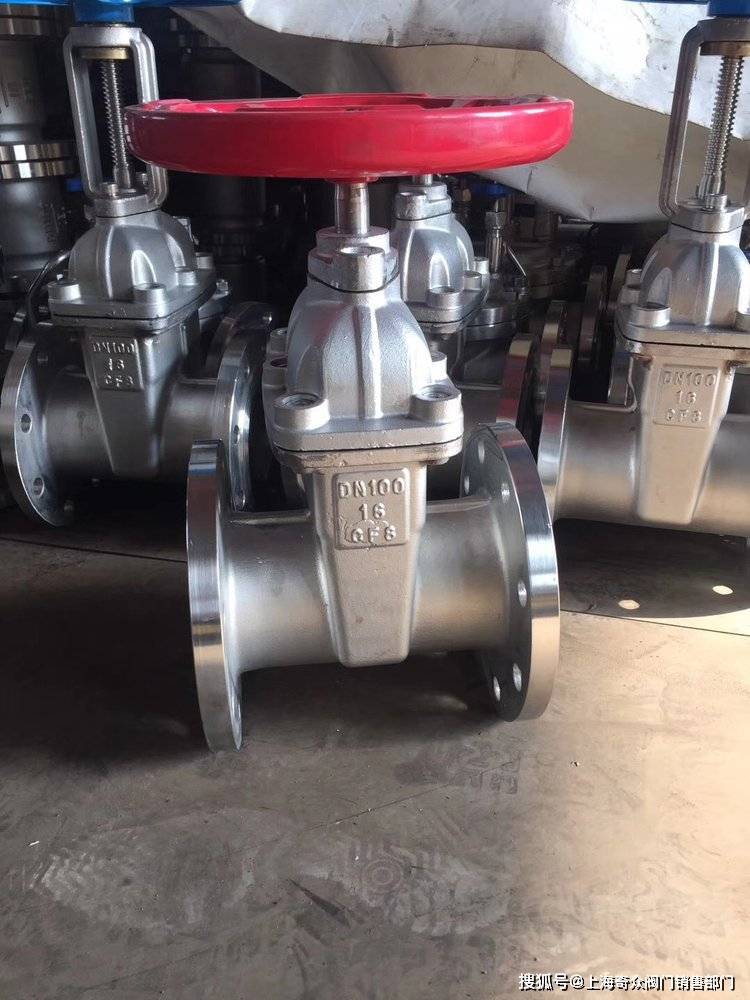 the operation process should be as simple as possible for the operators to avoid interlock failure caused by human error judgment.
11. Compatibility and expandability: The design of the valve should consider compatibility with existing systems and have the ability to upgrade or expand in the future.
3. Key design technology
9. Mechanical interlock design: Achieve physical interlock through mechanical structures (such as locking pins, stop blocks) to ensure the operation sequence. This method has high reliability and is suitable for environments with low dependence on electrical systems.
8. Electrical/PLC control logic: Use programmable logic controllers (PLC) to implement complex logic control, detect system status through sensors, and thus control the valve action. This method is flexible and responsive, suitable for complex systems.
7. Pneumatic or hydraulic actuator: Select a suitable actuator according to the system requirements to ensure stable operation under different working conditions.
6. Fault-safe design: When the system fails, the valve should be able to automatically enter a preset safe state, such as closing or remaining in place, to prevent the spread of danger.
4. Analysis of Application Examples
Taking the reaction kettle system of a certain chemical plant as an example, its safety interlock system requires that the heating function can only be started under the premise that the cooling system is operating normally; and the inspection door must not be opened before the system pressure is completely released. To this end, the design team adopted PLC control combined with a mechanical locking mechanism to ensure the mandatory execution of the operation process. In actual operation, it effectively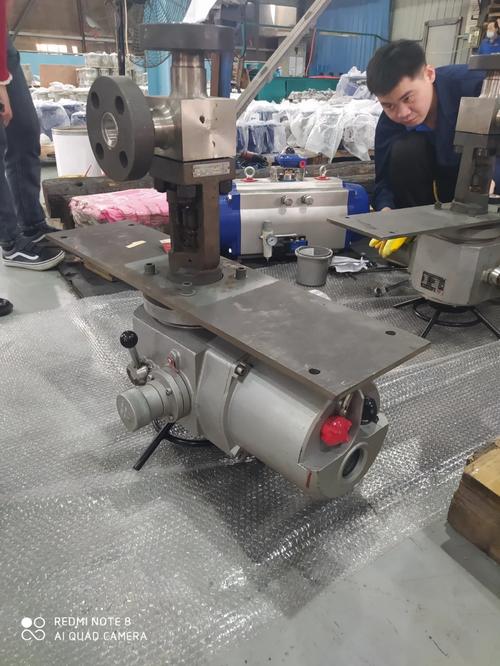 prevented the occurrence of multiple potential safety accidents.
Conclusion
In summary, the design of safety interlock valves is a systematic project that requires comprehensive consideration of process flow, control logic, mechanical equipment, and many other aspects. With the continuous improvement of industrial automation levels, future safety interlock systems will become more intelligent and integrated, providing stronger guarantees for industrial safety. Designers should continuously update their concepts, introduce new technologies, and ensure the high reliability and safety of the system under complex environments.
(The full text is about 800 words)
In industrial production, especially in industries such as chemical engineering, petrochemicals, natural gas, and electricity, safety is one of the primary considerations. As an important part of ensuring the safe operation of the system, the design concept and technology application of safety interlock valves are particularly important. This article will discuss the design methods of safety interlock valves from aspects such as basic concepts, design principles, key technologies, and application examples.
1. Basic concept of safety interlock valves
Safety interlock valves are a type of valve device that realizes the operation sequence control between multiple equipment through mechanical or electrical means. Their main function is to ensure that certain operations must be carried out in a predetermined sequence under specific conditions to prevent safety hazards caused by misoperation. For example, during the maintenance process of pressure vessels, the inspection door can only be opened after the system is depressurized, and the safety interlock valve can ensure the strict implementation of this sequence.
2. Design principles
14. Safety priority: The primary goal of the design is to ensure the safety of operators and equipment. The interlock system must be able to automatically cut off the source of danger or lock dangerous operations under any abnormal conditions.
13. Reliability and redundancy design: The system should have high reliability,
usually adopting redundancy design, such as dual-loop control, backup power supply, etc., to prevent a single point failure from causing system failure.12. Operation simplicity: Although the system itself is complex,
the operation process should be as simple as possible for the operators to avoid interlock failure caused by human error judgment.11. Compatibility and expandability: The design of the valve should consider compatibility with existing systems and have the ability to upgrade or expand in the future.
3. Key design technology
9. Mechanical interlock design: Achieve physical interlock through mechanical structures (such as locking pins, stop blocks) to ensure the operation sequence. This method has high reliability and is suitable for environments with low dependence on electrical systems.
8. Electrical/PLC control logic: Use programmable logic controllers (PLC) to implement complex logic control, detect system status through sensors, and thus control the valve action. This method is flexible and responsive, suitable for complex systems.
7. Pneumatic or hydraulic actuator: Select a suitable actuator according to the system requirements to ensure stable operation under different working conditions.
6. Fault-safe design: When the system fails, the valve should be able to automatically enter a preset safe state, such as closing or remaining in place, to prevent the spread of danger.
4. Analysis of Application Examples
Taking the reaction kettle system of a certain chemical plant as an example, its safety interlock system requires that the heating function can only be started under the premise that the cooling system is operating normally; and the inspection door must not be opened before the system pressure is completely released. To this end, the design team adopted PLC control combined with a mechanical locking mechanism to ensure the mandatory execution of the operation process. In actual operation, it effectively
prevented the occurrence of multiple potential safety accidents.Conclusion
In summary, the design of safety interlock valves is a systematic project that requires comprehensive consideration of process flow, control logic, mechanical equipment, and many other aspects. With the continuous improvement of industrial automation levels, future safety interlock systems will become more intelligent and integrated, providing stronger guarantees for industrial safety. Designers should continuously update their concepts, introduce new technologies, and ensure the high reliability and safety of the system under complex environments.
(The full text is about
800 words)




TOP
18914229323