
 18914229323

How to Implement Edge Computing Valves
WiththecontinuousdevelopmentofIndustry4.0andintelligentmanufacturing,edgecomputingtechnologyisgraduallybecominganimportantforcedrivingthetransformationandupgradingofindustrialautomation.Inindustrialp...
Hotline
With the continuous development of Industry 4.0 and intelligent manufacturing, edge computing technology is gradually becoming an important force driving the transformation and upgrading of industrial automation. In industrial process control, valves, as key equipment for regulating fluid flow and pressure, have an important impact on system efficiency and safety due to their intelligent and real-time response capabilities. The introduction of edge computing technology into valve control systems not only improves control accuracy but also enables functions such as predictive maintenance and fault diagnosis. This article will discuss the specific implementation path of edge computing valves.
Basic Concept of Edge Computing
Edge computing is a computing architecture that deploys data processing and analysis capabilities near the data source (i.e., “the edge”.) Unlike traditional centralized cloud computing, edge computing emphasizes real-time data processing on local devices, thereby reducing latency, reducing network bandwidth pressure, and improving the responsiveness and reliability of the system.
The Role of Edge Computing in Valve Systems
In industrial sites, valves are usually distributed in pipeline networks, responsible for controlling the opening and closing of fluids and their adjustment. By integrating edge computing modules into valve system integration, the following functions can be realized:
1. Real-time Control and Feedback: Edge nodes can make immediate responses to sensor data, dynamically adjust the valve opening, and improve control accuracy.
2. Local Data Analysis and Decision Making: The operating status, temperature, pressure, and other data of valves can be analyzed locally, quickly determining whether there are anomalies.
3. Fault Prediction and Maintenance: By analyzing historical data with machine learning algorithms, potential faults can be predicted, early warnings issued, and unplanned shutdowns reduced.
4. Reducing Cloud Dependency: When the network is unstable or interrupted, edge nodes can still operate independently and maintain basic control functions, enhancing system reliability.
3. Implementation Steps and Key Technologies
# 1. Hardware Upgrade: Embedding Edge Computing Modules
Firstly, it is necessary to integrate embedded hardware with computing capabilities into traditional valve controllers, such as microprocessors with ARM architecture, FPGA, or dedicated AI chips. At the same time, necessary sensors (such as pressure sensors, temperature sensors, displacement sensors) should be equipped to obtain real-time operating data.
# 2. Software Deployment: Building an Edge Computing Platform
Deploy edge operating systems and application platforms on the hardware basis, supporting containerized deployment such as Docker or Kubernetes Edge version, which is convenient for flexible loading of various control algorithms and data analysis models. In addition, it is also necessary to develop or integrate intelligent algorithms suitable for valve control, such as PID control optimization, adaptive adjustment algorithms, and so on.
# 3. Data Collection and Analysis
Through real-time collection of valve operating data by edge nodes, and local processing and analysis. For example, by time series analysis, detect abnormal vibration or pressure fluctuations, thereby determining whether the valve is stuck or leaking.
# 4. Realizing Remote Communication and Coordination Control
Although edge computing focuses on local processing, it still needs to synchronize data and coordinate control with the cloud or other edge nodes. Low-latency and high-reliability remote connections can be achieved through communication technologies such as 5G, LoRa, and NB-IoT.
# 5. Security Protection Mechanisms
Edge computing nodes are located in industrial fields and are susceptible to physical attacks or network attacks. Therefore, it is necessary to deploy security mechanisms, including data encryption transmission, device identity authentication, and access control measures to ensure the safe and stable operation of the system.
4. Application Scenarios and Case Studies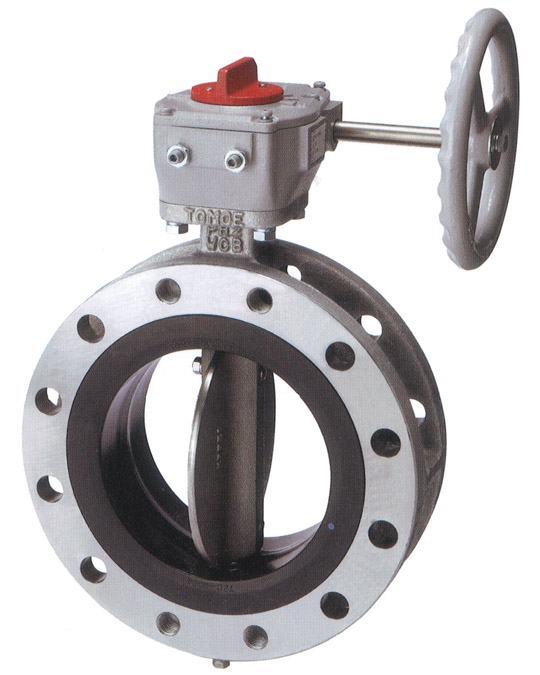
Edge computing valves have been preliminarily applied in fields such as oil, natural gas, and chemical industries. Taking a large-scale oil refining plant as an example, by deploying edge computing units on key regulating valves, it has achieved real-time feedback control at the level of thousands of times per second, and successfully predicted three potential leakage accidents through local AI models, significantly improving system safety and operational efficiency.
Conclusion
In summary, edge computing technology has brought a new revolution of intelligence and real-time operation to the valve system. Through the coordinated implementation of hardware upgrades, software deployment, data analysis, and security protection, edge computing valves will become an important part of the future development of industrial automation, laying a solid foundation for the construction of efficient, reliable, and intelligent industrial systems.
With the continuous development of Industry 4.0 and intelligent manufacturing, edge computing technology is gradually becoming an important force driving the transformation and upgrading of industrial automation. In industrial process control, valves, as key equipment for regulating fluid flow and pressure, have an important impact on system efficiency and safety due to their intelligent and real-time response capabilities. The introduction of edge computing technology into valve control systems not only improves control accuracy but also enables functions such as predictive maintenance and fault diagnosis. This article will discuss the specific implementation path of edge computing valves.
Basic Concept of Edge Computing
Edge computing is a computing architecture that deploys data processing and analysis capabilities near the data source (i.e.,
“the edge”.) Unlike traditional centralized cloud computing, edge computing emphasizes real-time data processing on local devices, thereby reducing latency, reducing network bandwidth pressure, and improving the responsiveness and reliability of the system.The Role of Edge Computing in Valve Systems
In industrial sites, valves are usually distributed in pipeline networks, responsible for controlling the opening and closing of fluids and their adjustment. By integrating edge computing modules into valve system integration, the following functions can be realized:
1. Real-time Control and Feedback: Edge nodes can make immediate responses to sensor data, dynamically adjust the valve opening, and improve control accuracy.
2. Local Data Analysis and Decision Making: The operating status, temperature, pressure, and other data of valves can be analyzed locally, quickly determining whether there are anomalies.
3. Fault Prediction and Maintenance: By analyzing historical data with machine learning algorithms, potential faults can be predicted, early warnings issued, and unplanned shutdowns reduced.
4. Reducing Cloud Dependency: When the network is unstable or interrupted, edge nodes can still operate independently and maintain basic control functions, enhancing
system reliability.3. Implementation Steps and Key Technologies
# 1. Hardware Upgrade: Embedding Edge Computing Modules
Firstly, it is necessary to integrate embedded hardware with computing capabilities into traditional valve controllers, such as microprocessors with ARM architecture, FPGA, or dedicated AI chips. At the same time, necessary sensors (such as pressure sensors, temperature sensors, displacement sensors)
should be equipped to obtain real-time operating data.# 2. Software Deployment: Building an Edge Computing Platform
Deploy edge operating systems and application platforms on the hardware basis, supporting containerized deployment such as Docker or Kubernetes Edge version, which is convenient for flexible loading of various control algorithms and data analysis models. In addition, it is also necessary to develop or integrate intelligent algorithms suitable for valve control, such as PID control optimization, adaptive adjustment algorithms, and so on.
# 3. Data Collection and Analysis
Through real-time collection of valve operating data by edge nodes, and local processing and analysis. For example, by time series analysis, detect abnormal vibration or pressure fluctuations, thereby determining whether the valve is stuck or leaking.
# 4. Realizing Remote Communication and Coordination Control
Although edge computing focuses on local processing, it still needs to synchronize data and coordinate control with the cloud or other edge nodes. Low-latency and high-reliability remote connections can be achieved through communication technologies such as 5G, LoRa, and NB-IoT.
# 5. Security Protection Mechanisms
Edge computing nodes are located in industrial fields and are susceptible to physical attacks or network attacks. Therefore, it is necessary to deploy security mechanisms, including data encryption transmission, device identity authentication, and access control measures to ensure the safe and stable operation of the system.
4. Application Scenarios and Case Studies
Edge computing valves have been preliminarily applied in fields such as oil, natural gas, and chemical industries. Taking a large-scale oil refining plant as an example, by deploying edge computing units on key regulating valves, it has achieved real-time feedback control at the level of thousands of times per second, and successfully predicted three potential leakage accidents through local AI models, significantly improving system safety and operational efficiency.
Conclusion
In summary, edge computing technology has brought a new revolution of intelligence and real-time operation to the valve system. Through the coordinated implementation of hardware upgrades, software deployment, data analysis, and security protection, edge computing valves will become an important part of the future development of industrial automation, laying a solid foundation for the construction of efficient, reliable, and intelligent industrial systems.




TOP
18914229323