
 18914229323
How to Implement Intelligent Manufacturing of Valves
WiththerapiddevelopmentofIndustry4.0,intelligentmanufacturinghasbecomeanimportantdirectionforpromotingthetransformationandupgradingofthemanufacturingindustry.Asanimportantbasiccomponentforcontrolling...
Hotline
With the rapid development of Industry 4.0, intelligent manufacturing has become an important direction for promoting the transformation and upgrading of the manufacturing industry. As an important basic component for controlling fluid in industrial systems, the manufacturing process of valves is facing an urgent need for transformation from traditional manufacturing to intelligence. This article will discuss the implementation methods of valve intelligent manufacturing from the aspects of implementation path, key technologies, system integration, etc.
1. Clarifying the Implementation Goals of Intelligent Manufacturing
Valve enterprises implementing intelligent manufacturing should first clarify the transformation goals based on their own product characteristics, process flow, and market demand, such as improving production efficiency, reducing energy consumption, achieving personalized customization, and improving product quality. After the goals are clear, a phased implementation plan can be formulated accordingly to avoid blind investment and resource waste.
2. Building the Architecture of Intelligent Manufacturing System
1. Digital Design and Process Simulation
Introducing CAD/CAE/CAM technology to achieve full-process digitalization of valve products from design to processing. By simulating casting, forging, machining, and assembly processes with process simulation software, production process parameters are optimized, and the first-pass pass rate is improved.
2. Intelligent Equipment and Automated Production Lines
Introducing intelligent equipment such as CNC machine tools, robots, and automated assembly equipment to establish flexible production lines, achieving rapid switching of various products in small batches. At the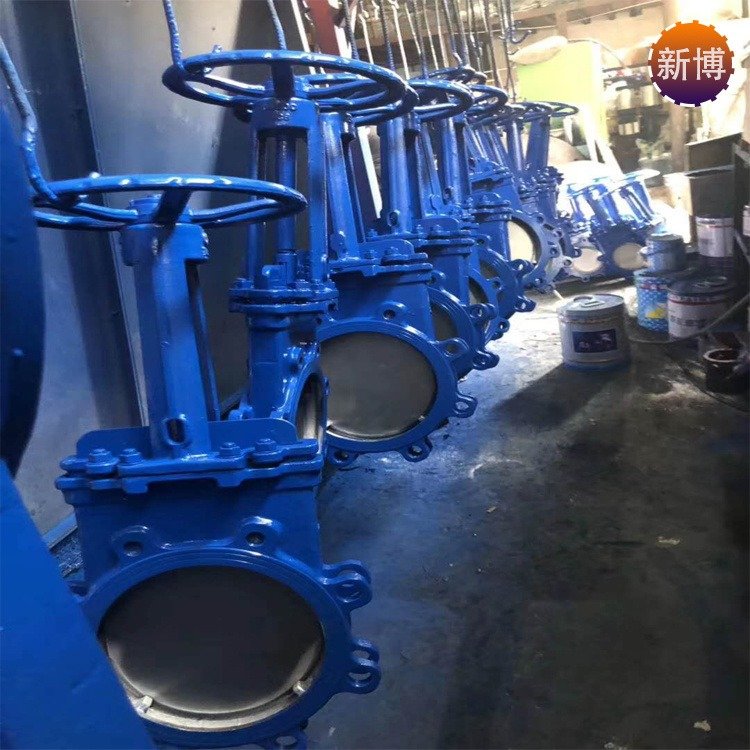 same time, applying AGV transport vehicles, intelligent warehousing systems, and other technologies to enhance logistics efficiency.
3. Integration of MES and ERP Systems
Building an information platform with MES (Manufacturing Execution System) as the core to achieve real-time monitoring and dispatch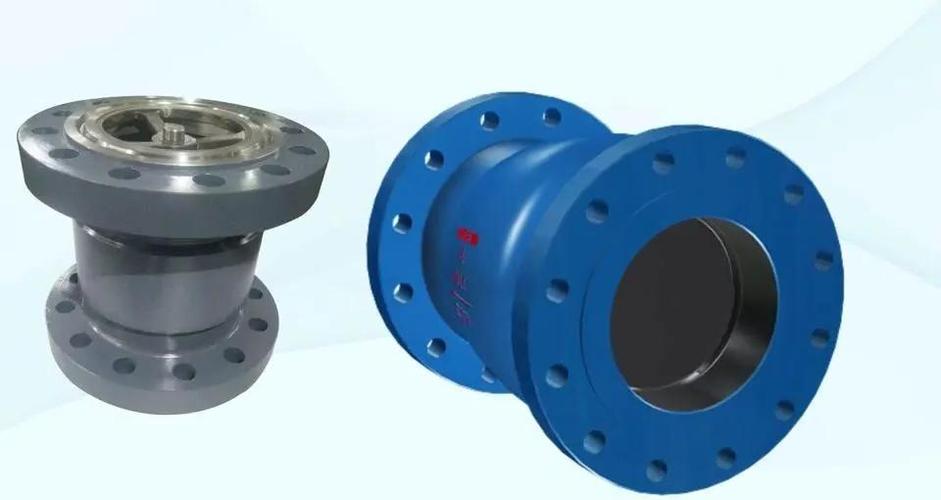 of production planning, quality control, material management, and other aspects. Connected with the ERP system, it打通 the internal information flow of the enterprise, forming an integrated control system from order to delivery.
4. Industrial Internet and Big Data Analysis
Using Internet of Things technology to collect multi-dimensional data such as equipment, process, and environment, combined with big data analysis methods, it achieves fault prediction, energy efficiency optimization, and quality traceability. For example, by analyzing the data of valve sealing surface processing, the tool life and processing parameters are optimized.
3. Promoting Intelligent Management and Service
Intelligent manufacturing is not limited to the production level but should also extend to enterprise management and customer service. By building a PLM (Product Lifecycle Management) system, integrating the whole process data of design, technology, manufacturing, and service, it achieves intelligent management throughout the lifecycle. At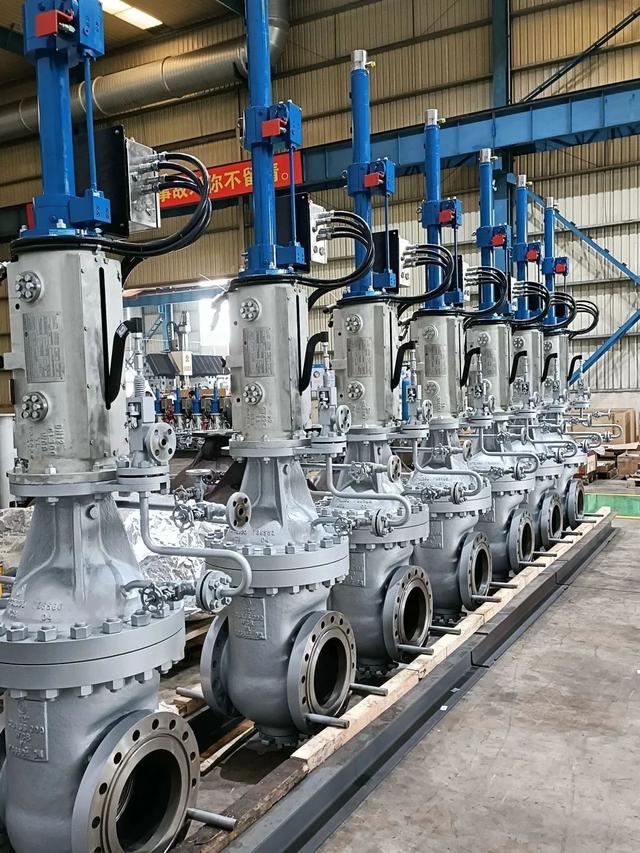 the same time, remote maintenance services are conducted to enhance customer satisfaction.
4. Focus on Talent Development and Organizational Change
The implementation of intelligent manufacturing cannot be separated from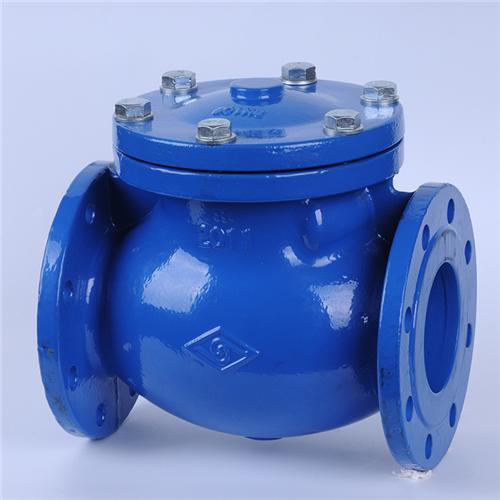 the support of high-quality talents. Enterprises should strengthen talent cultivation in areas such as automatic control, software application, and data analysis, and promote the transformation of organizational structures towards flattening and collaboration, enhancing the overall response speed and innovation ability.
Conclusion
Intelligent manufacturing of valves is a systematic project that requires enterprises to plan and implement step by step from a strategic height. By promoting synergy in technology, management, and talents, it can truly achieve the leap from 'manufacturing' to 'intelligent manufacturing', and inject strong momentum into the sustainable development of enterprises.
With the rapid development of Industry 4.0, intelligent manufacturing has become an important direction for promoting the transformation and upgrading of the manufacturing industry. As an important basic component for controlling fluid in industrial systems, the manufacturing process of valves is facing an urgent need for transformation from traditional manufacturing to intelligence. This article will discuss the implementation methods of valve intelligent manufacturing from the aspects of implementation path, key technologies, system integration, etc.
1. Clarifying the Implementation Goals of Intelligent Manufacturing
Valve enterprises implementing intelligent manufacturing should first clarify the transformation goals based on their own product characteristics, process flow, and market demand, such as improving production efficiency, reducing energy consumption, achieving personalized customization, and improving product quality. After the goals are clear, a phased implementation plan can be formulated accordingly to avoid blind investment and resource waste.
2. Building the Architecture of Intelligent
Manufacturing System1. Digital Design and Process Simulation
Introducing CAD/CAE/CAM technology to achieve full-process digitalization of valve products from design to processing. By simulating casting, forging, machining, and assembly processes with process simulation software, production process parameters are optimized, and the first-pass pass rate is improved.
2. Intelligent Equipment and Automated Production Lines
Introducing intelligent equipment such as CNC machine tools, robots, and automated assembly equipment to establish flexible production lines, achieving rapid switching of various products in small batches. At the
same time, applying AGV transport vehicles, intelligent warehousing systems, and other technologies to enhance logistics efficiency.3. Integration of MES and ERP Systems
Building an information platform with MES (Manufacturing Execution System) as the core to achieve real-time monitoring and dispatch
of production planning, quality control, material management, and other aspects. Connected with the ERP system, it打通 the internal information flow of the enterprise, forming an integrated control system from order to delivery.4. Industrial Internet and Big Data Analysis
Using Internet of Things technology to collect multi-dimensional data such as equipment, process, and environment, combined with big data analysis methods, it achieves fault prediction, energy efficiency optimization, and quality traceability. For example, by analyzing the data of valve sealing surface processing, the tool life and processing parameters are optimized.
3. Promoting Intelligent Management and Service
Intelligent manufacturing is not limited to the production level but should also extend to enterprise management and customer service. By building a PLM (Product Lifecycle Management) system, integrating the whole process data of design, technology, manufacturing, and service, it achieves intelligent management throughout the lifecycle. At
the same time, remote maintenance services are conducted to enhance customer satisfaction.4. Focus on Talent Development and Organizational Change
The implementation of intelligent manufacturing cannot be separated from
the support of high-quality talents. Enterprises should strengthen talent cultivation in areas such as automatic control, software application, and data analysis, and promote the transformation of organizational structures towards flattening and collaboration, enhancing the overall response speed and innovation ability.Conclusion
Intelligent manufacturing of valves is a systematic project that requires enterprises to plan and implement step by step from a strategic height. By promoting synergy in technology, management, and talents, it can truly achieve the leap from 'manufacturing' to 'intelligent manufacturing', and inject strong momentum into the sustainable development of enterprises.




TOP
18914229323