
 18914229323
How to carry out valve functional tests
Valvesareanindispensableandkeycomponentinindustrialpipelinesystemsandarewidelyusedinfieldssuchasoil,naturalgas,chemicals,electricity,andwatertreatment.Theirmainfunctionsincludeopeningandclosingfluidp...
Hotline
Valves are an indispensable and key component in industrial pipeline systems and are widely used in fields such as oil, natural gas, chemicals, electricity, and water treatment. Their main functions include opening and closing fluid pathways, regulating flow, and preventing backflow. To ensure that valves can operate stably and safely in actual use, functional tests must be conducted before manufacturing and during the installation and use process to verify that their performance meets design requirements and relevant standards.
The purpose of the functional test
The functional test of valves is mainly to verify their operational performance under set conditions, including switch flexibility, sealing reliability, flow regulation ability, etc. Through the test, manufacturing defects, assembly issues, or material defects can be discovered in time, preventing substandard products from entering the field for use and ensuring the safety and operational efficiency of the system.
Two, Main contents of functional tests
1. Opening and closing test
Verify whether the valve can be opened and closed smoothly under the rated pressure. During the test process, it should be checked whether the operating mechanism is flexible without jamming, whether the opening and closing stroke is in place, and whether excessive operating force is required.
2. Sealing test
Including internal sealing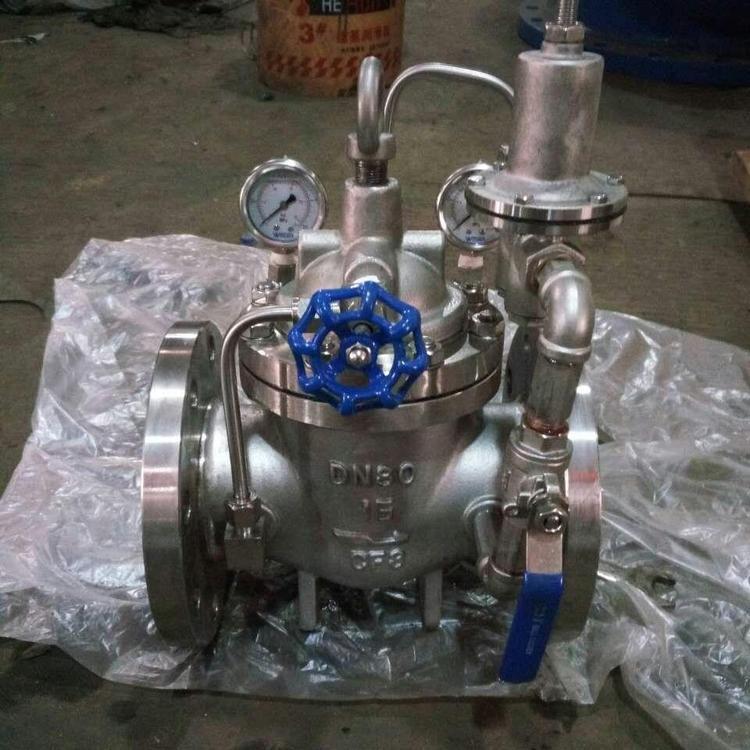 (the seal between the valve seat and the closing part) and external sealing (the seal between the valve body and the external connection). It is usually detected for leakage through hydrostatic or pneumatic tests. The test pressure is generally 1.1 to 1.5 times the design pressure, and the duration is carried out according to the standard requirements.
3. Flow characteristic test
For regulating valves, throttle valves, and other functional valves, it is also necessary to test the relationship curve between flow and opening to ensure that their regulating performance meets the process requirements.
4. Durability or life test
Carry out multiple opening and closing operations under simulated actual working conditions to test the stability and durability of the valve during long-term use. This test is usually used for valves in important occasions or with high-frequency operations.
5. Emergency operation test
Simulate emergency shutdown or opening under sudden situations to verify the response speed and operational reliability of the valve under extreme conditions.
Three, Implementation steps of functional tests
1. Preparation stage: Check whether the test equipment, medium (such as water, air, or inert gas), pressure gauge, thermometer, and other tools meet the standard requirements. Install the valve to be tested on the test bench and ensure that the connection is sealed well.
2. Pre-test inspection: Manually check whether each part of the valve is properly installed, and whether there are any obvious damage or deformation.
3. Execute the test program: Execute various tests according to the test methods and parameters specified by relevant standards (such as GB, API, ISO, etc.) and record test data.
4. Result evaluation and report: According to the test results, judge whether the valve is qualified, and form a complete test report, including test time, operator, environmental conditions, test parameters, and conclusions.
Four, Precautions
- The selection of test media should conform to the valve's operating environment to avoid corrosion or contamination.
- The test pressure shall not exceed 1.5 times the design pressure of the valve to prevent damage.
- It is necessary to operate strictly in accordance with safety procedures to prevent personal injury caused by high-pressure media.
- For valves used in special media (such as high-temperature, low-temperature, and strongly corrosive fluids), tests should be carried out under simulated actual working conditions.
Five, Conclusion
The functional test of valves is an important link to ensure the quality of valves and the safe operation of the system. By scientifically and standardizedly executing various tests, the reliability of the equipment can be effectively improved, the service life can be extended, and the maintenance cost can be reduced. With the development of industrial automation and intelligence, the future functional tests will also develop towards automation and digitization, providing more efficient and accurate detection methods for the valve industry.
Valves are an indispensable and key component in industrial pipeline systems and are widely used in fields such as oil, natural gas, chemicals, electricity, and water treatment. Their main functions include opening and closing fluid pathways, regulating flow, and preventing backflow. To ensure that valves can operate stably and safely in actual use, functional tests must be conducted before manufacturing and during the installation and use process to verify that their performance meets design requirements and relevant standards.
The purpose of the functional test
The functional test of valves is mainly to verify their operational performance under set conditions, including switch flexibility, sealing reliability, flow regulation ability, etc. Through the test, manufacturing defects, assembly issues, or material defects can be discovered in time, preventing substandard products from entering the field for use and ensuring the safety and operational efficiency of the system.
Two, Main contents of functional tests
1. Opening and closing test
Verify whether the valve can be opened and closed smoothly under the rated pressure. During the test process, it should be checked whether the operating mechanism is flexible without jamming, whether the opening and closing stroke is in place, and whether excessive operating force is required.
2. Sealing test
Including internal sealing
(the seal between the valve seat and the closing part) and external sealing (the seal between the valve body and the external connection). It is usually detected for leakage through hydrostatic or pneumatic tests. The test pressure is generally 1.1 to 1.5 times the design pressure, and the duration is carried out according to the standard requirements.3. Flow characteristic test
For regulating valves, throttle valves, and other functional valves, it is also necessary to test the relationship curve between flow and opening to ensure that their regulating performance meets the process requirements.
4. Durability or life test
Carry out multiple opening and closing operations under simulated actual working conditions to test the stability and durability of the valve during long-term use. This test is usually used for valves in important occasions or with high-frequency operations.
5. Emergency operation test
Simulate emergency shutdown or opening under sudden situations to verify the response speed and operational reliability of the valve under extreme conditions.
Three, Implementation steps of functional tests
1. Preparation stage: Check whether the test equipment, medium (such as water, air, or inert gas), pressure gauge, thermometer, and other tools meet the standard requirements. Install the valve to be tested on the test bench and ensure that the connection is sealed well.
2. Pre-test inspection: Manually check whether each part of the valve is properly installed, and whether there are any obvious damage or deformation.
3. Execute the test program: Execute various tests according to the test methods and parameters specified by relevant standards (such as GB, API, ISO, etc.) and record test data.
4. Result evaluation and report: According to the test results, judge whether the valve is qualified, and form a complete test report, including test time, operator, environmental conditions, test parameters, and conclusions.
Four, Precautions
- The selection of test media should conform to the valve's operating
environment to avoid corrosion or contamination.- The test pressure shall not exceed 1.5 times the design pressure of the valve to prevent damage.
- It is necessary to operate strictly in accordance with safety procedures to prevent personal
injury caused by high-pressure media.- For valves used in special media (such as high-temperature, low-temperature, and strongly corrosive fluids), tests should be carried out under simulated actual working conditions.
Five, Conclusion
The functional test of valves is an important link to ensure the quality of valves and the safe operation of the system. By scientifically and standardizedly executing various tests, the reliability of the equipment can be effectively improved, the service life can be extended, and the maintenance cost can be reduced. With the development of industrial automation and intelligence, the future functional tests will also develop towards automation and digitization, providing more efficient and accurate detection methods for the valve industry.




TOP
18914229323