
 18914229323
How gas valves are sealed
Gasvalves,askeycomponentsinfluidcontrolsystems,arewidelyusedinmanyfieldssuchasindustry,energy,chemicalindustry,andmedicalcare.Duetothecharacteristicsofgasessuchaseasyleakageandstrongdiffusion,theseal...
Hotline
Gas valves, as key components in fluid control systems, are widely used in many fields such as industry, energy, chemical industry, and medical care. Due to the characteristics of gases such as easy leakage and strong diffusion, the sealing performance of gas valves directly affects the safety and reliability of the system. This article will discuss how gas valves achieve effective sealing from three aspects: sealing principle, common sealing structures, and measures to improve sealing performance.
One, Sealing Principle of Gas Valves
The sealing of gas valves mainly relies on the close contact between the valve seat and the valve disc to prevent gas from passing through. The basic principle is to form sufficient sealing pressure between the sealing surfaces through mechanical pressure or fluid pressure, thereby preventing gas leakage. Depending on the material of the sealing surface, it can be divided into hard sealing and soft sealing. Hard sealing usually uses metal-to-metal contact and is suitable for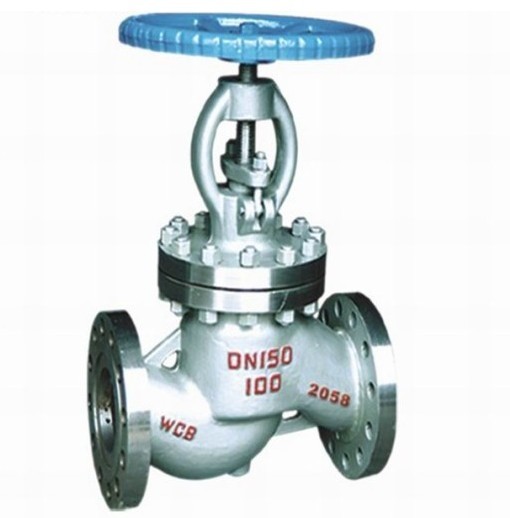 high-temperature and high-pressure environments; soft sealing mostly uses non-metallic materials such as polytetrafluoroethylene (PTFE) and rubber, which have better sealing performance but poor temperature resistance.
Two, Common Sealing Structures
1. Sealing Structure of Ball Valves
Ball valves use a ball with a through hole as the opening and closing part, and achieve sealing through the contact between the ball and the upper and lower valve seats. Their sealing performance is excellent, and they open and close quickly, widely used in gas pipeline systems.
2. Sealing Structure of Stop Valves
The sealing of stop valves is achieved through the vertical contact between the valve disc and the valve seat. Although the sealing performance is good, due to structural limitations, the opening and closing resistance is large, and they are usually used in situations where frequent flow regulation is required.
3. Sealing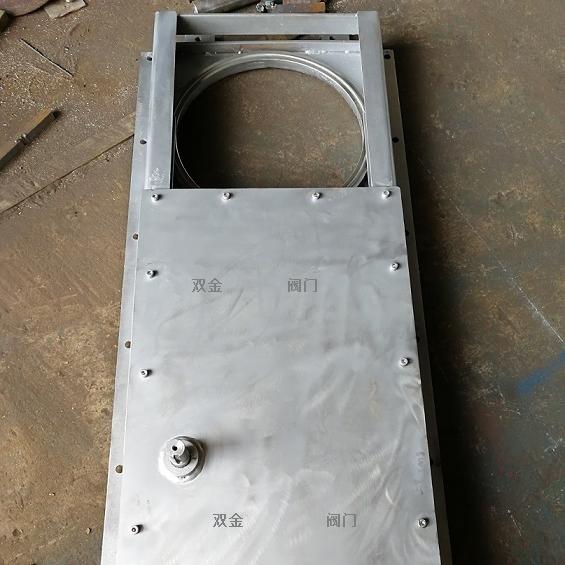 Structure of Butterfly Valves
Butterfly valves use a rotating disk to control fluid flow. The sealing of butterfly valves is usually done with rubber or metal sealing rings, which are suitable for low-pressure gas systems.
4. Sealing Structure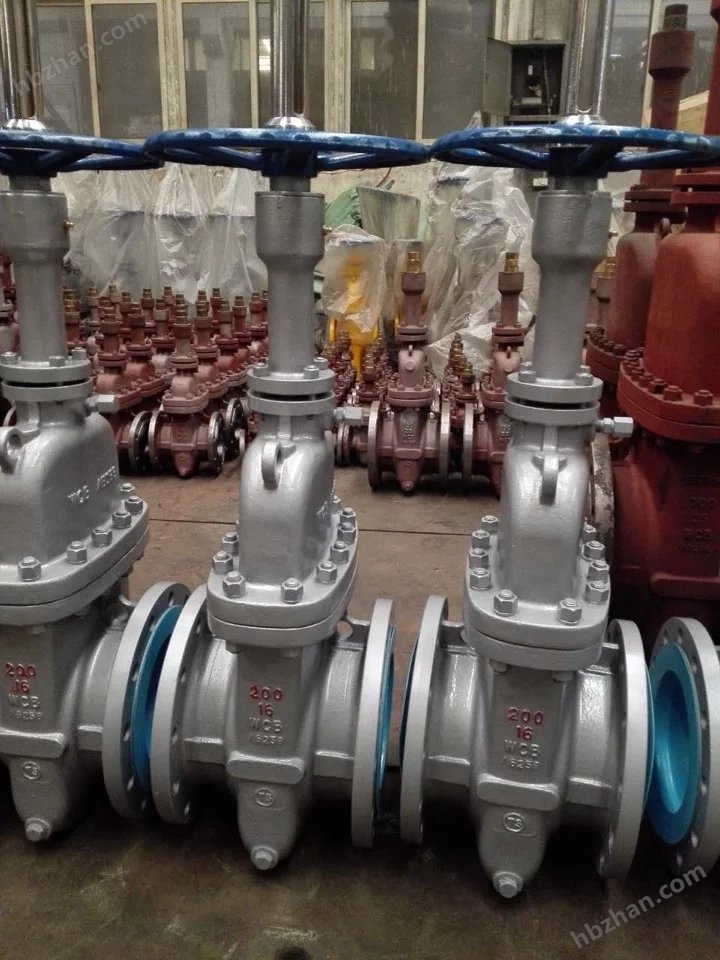 of Gate Valves
Gate valves open or close the passage by the up and down movement of the gate plate, and their sealing relies on the contact between the gate plate and the two valve seats. Although the sealing performance is good, they are large in size and not suitable for frequent operation.
Three, Measures to Improve Sealing Performance
In order to ensure that gas valves maintain good sealing performance under various operating conditions, the following measures can be taken:
- Select appropriate sealing materials: According to the working temperature, pressure, and medium characteristics,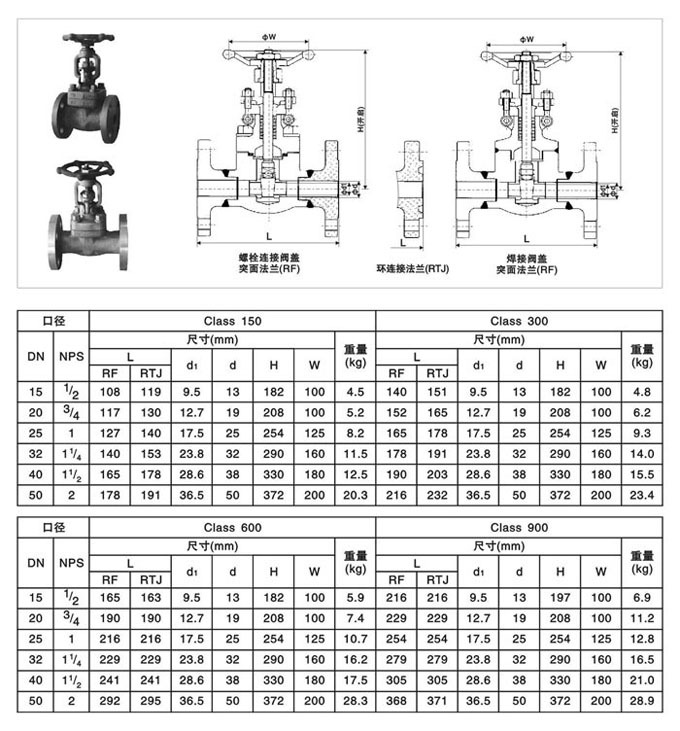 select appropriate sealing materials, such as using metal seals in high-temperature environments, and PTFE or rubber in low-temperature or corrosive media.
- Optimize the sealing surface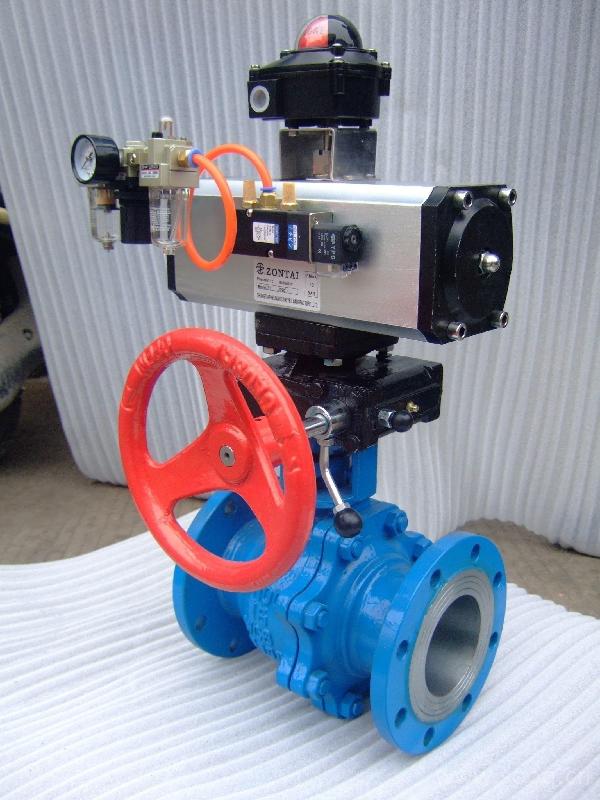 structure: By grinding, polishing, or coating the sealing surface, improve the surface smoothness and fit, and enhance the sealing effect.
- Increase the sealing pressure: By applying greater sealing pressure through spring loading, pneumatic or electric actuators, ensure that the sealing surfaces are in close contact.
- Regular maintenance and inspection: For valves that have been in operation for a long time, regular leakage detection and sealing surface inspection should be carried out, and worn parts should be replaced in a timely manner to prevent safety accidents caused by sealing failure.
In summary, the sealing of gas valves is not only related to the normal operation of the equipment, but also concerns production safety and environmental protection. It is necessary to select appropriate sealing methods and materials according to specific application requirements during the design and use process, and to strengthen daily maintenance in order to achieve efficient and reliable sealing effects.
Gas valves, as key components in fluid control systems, are widely used in many fields such as industry, energy, chemical industry, and medical care. Due to the characteristics of gases such as easy leakage and strong diffusion, the sealing performance of gas valves directly affects the safety and reliability of the system. This article will discuss how gas valves achieve effective sealing from three aspects: sealing principle, common sealing structures, and measures to improve sealing performance.
One, Sealing Principle of Gas Valves
The sealing of gas valves mainly relies on the close contact between the valve seat and the valve disc to prevent gas from passing through. The basic principle is to form sufficient sealing pressure between the sealing surfaces through mechanical pressure or fluid pressure, thereby preventing gas leakage. Depending on the material of the sealing surface, it can be divided into hard sealing and soft sealing. Hard sealing usually uses metal-to-metal contact and is suitable for
high-temperature and high-pressure environments; soft sealing mostly uses non-metallic materials such as polytetrafluoroethylene (PTFE) and rubber, which have better sealing performance but poor temperature resistance.Two, Common Sealing Structures
1. Sealing Structure of Ball Valves
Ball valves use a ball with a through hole as the opening and closing part, and achieve sealing through the contact between the ball and the upper and lower valve seats. Their sealing performance is excellent, and they open and close quickly, widely used in gas pipeline systems.
2. Sealing Structure of Stop Valves
The sealing of stop valves is achieved through the vertical contact between the valve disc and the valve seat. Although the sealing performance is good, due to structural limitations, the opening and closing resistance is large, and they are usually used in situations where frequent flow regulation is required.
3. Sealing
Structure of Butterfly ValvesButterfly valves use a rotating disk to control fluid flow. The sealing of butterfly valves is usually done with rubber or metal sealing rings, which are suitable for low-pressure gas systems.
4. Sealing Structure
of Gate ValvesGate valves open or close the passage by the up and down movement of the gate plate, and their sealing relies on the contact between the gate plate and the two valve seats. Although the sealing performance is good, they are large in size and not suitable for frequent operation.
Three, Measures to Improve Sealing Performance
In order to ensure that gas valves maintain good sealing performance under various operating conditions, the following measures can be taken:
- Select appropriate sealing materials: According to the working temperature, pressure, and medium characteristics,
select appropriate sealing materials, such as using metal seals in high-temperature environments, and PTFE or rubber in low-temperature or corrosive media.- Optimize the sealing surface
structure: By grinding, polishing, or coating the sealing surface, improve the surface smoothness and fit, and enhance the sealing effect.- Increase the sealing pressure: By applying greater sealing pressure through spring loading, pneumatic or electric actuators, ensure that the sealing surfaces are in close contact.
- Regular maintenance and inspection: For valves that have been in operation for a long time, regular leakage detection and sealing surface inspection should be carried out, and worn parts should be replaced in a timely manner to prevent safety accidents caused by sealing failure.
In summary, the sealing of gas valves is not only related to the normal operation of the equipment, but also concerns production safety and environmental protection. It is necessary to select appropriate sealing methods and materials according to specific application requirements during the design and use process, and to strengthen daily maintenance in order to achieve efficient and reliable sealing effects.




TOP
18914229323