
 18914229323

How to carry out valve reliability tests
Inindustrialproduction,valvesactaskeycomponentsforcontrollingtheflowoffluidmedia,andthestabilityandreliabilityoftheirperformancearedirectlyrelatedtothenormaloperationofequipmentandproductionsafety.Th...
Hotline
In industrial production, valves act as key components for controlling the flow of fluid media, and the stability and reliability of their performance are directly related to the normal operation of equipment and production safety. Therefore, conducting reliability tests for valves is an important means to evaluate their long-term operating capability under different working conditions. This article will discuss how to scientifically and effectively carry out valve reliability tests from aspects such as test objectives, basic procedures, key test items, and precautions.
One, The purpose of the valve reliability test
The purpose of the valve reliability test is to verify whether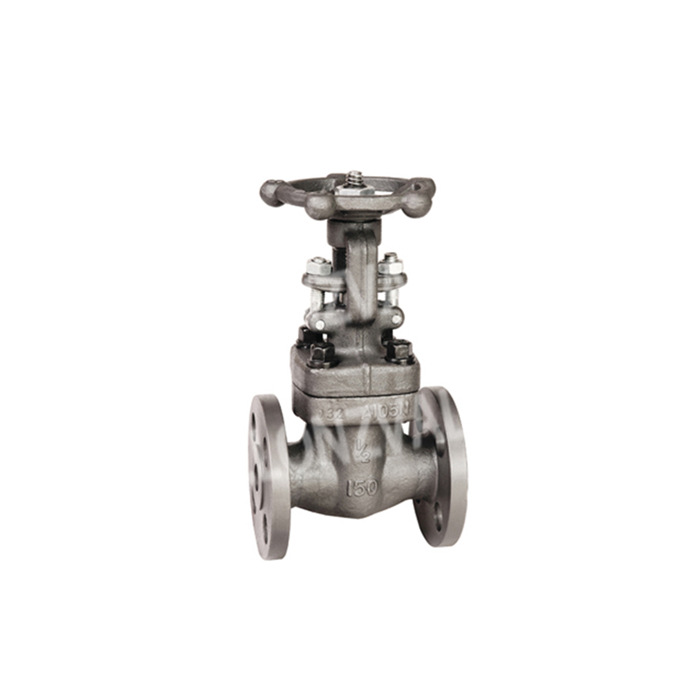 the valve can maintain the stability of its functional performance and sealing performance within the design life and under specified working conditions. By simulating parameters such as pressure, temperature, medium, and opening and closing frequency under actual working conditions, the durability, fatigue resistance, and sealing performance of the valve in long-term use are evaluated.
Two, The basic process of the test
1. Test preparation
Including determining the test standard (such as GB/T, API, ISO, etc.), preparing test samples, setting up the test system, calibrating measuring instruments, etc. The appropriate test method should be selected according to the type of valve (such as ball valve, gate valve, stop valve, etc.) and the working conditions.
2. Initial performance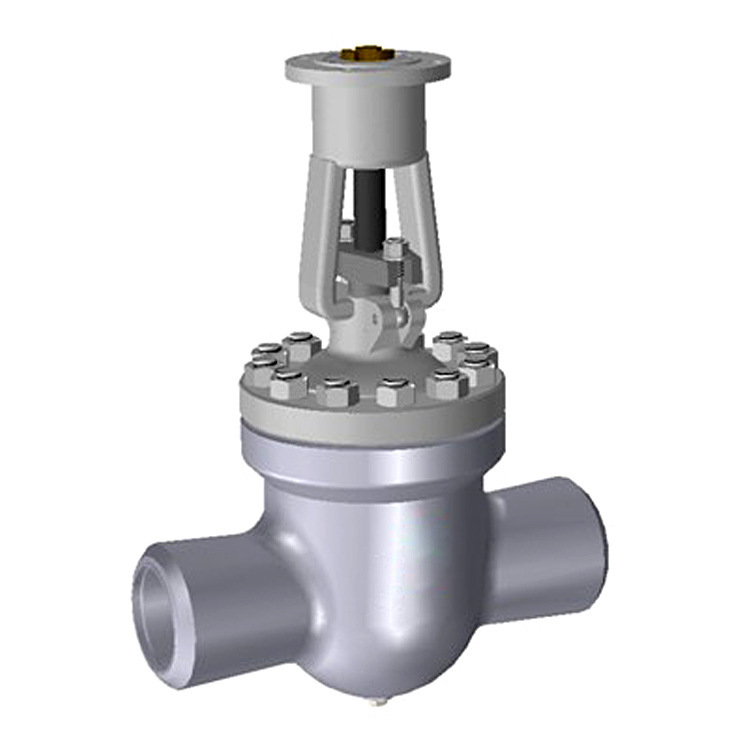 test
test
Before the reliability test begins, conduct basic performance tests on the valve, including opening and closing torque, flow characteristics, sealing, and pressure resistance,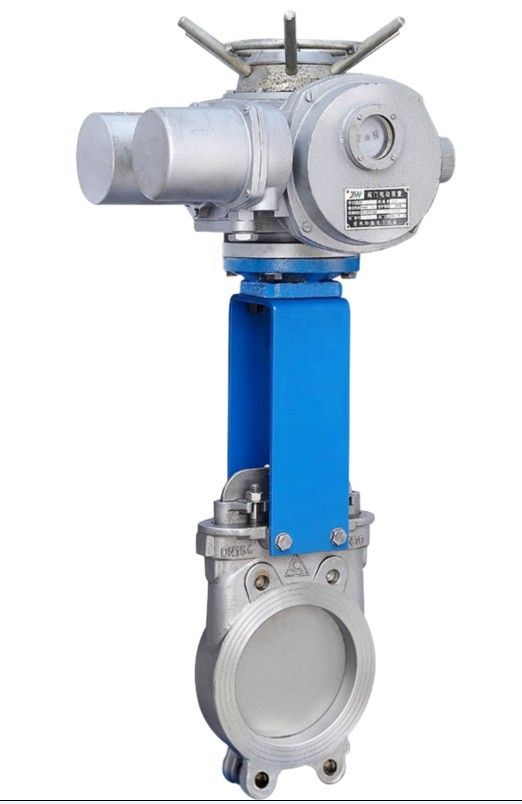 to provide basic data for subsequent comparisons.
3. Cycle life test
Simulate the opening and closing cycles under actual operating conditions, and record the performance changes of the valve after thousands to tens of thousands of opening and closing cycles. During the test, leakage amount, opening and closing torque, and component wear must be monitored.
4. Extreme working condition test
Based on the conventional cycle test, additional tests under extreme conditions such as high temperature, low temperature, high pressure difference, and corrosive medium are added to evaluate the adaptability and stability of valves under abnormal working conditions.
5. Fault analysis and data evaluation
After the test, disassemble and inspect the valve to analyze the wear, corrosion, and sealing surface damage of the components, and evaluate its reliability level in combination with the data throughout the process.
Three, Examples of main test items
- Opening and closing life test: Evaluate the structural strength and operational performance of valves during frequent opening and closing processes.
- Sealing performance test: Detect the internal and external leakage of valves under different pressure conditions.
- Pressure and strength test: Verify the structural strength of the pressure-bearing parts of the valve.
- Corrosion resistance test: Evaluate the corrosion resistance of materials in special medium environments.
- High and low temperature adaptability test: Simulate the operation performance of valves under extreme temperature conditions.
Four, Matters needing attention
1. Strict adherence to standards: Formulate test plans based on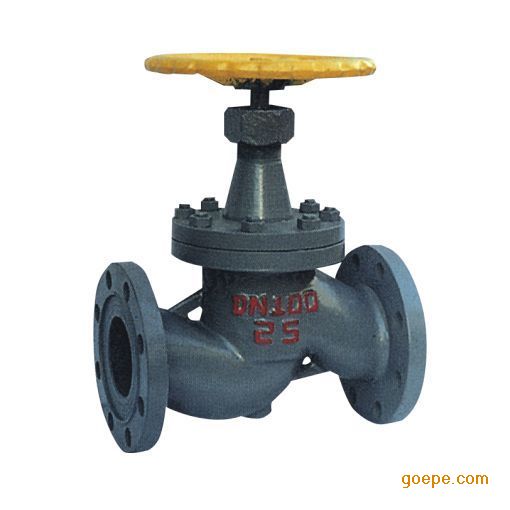 international or national relevant standards.
2. Complete data recording: Ensure the accuracy and reliability of data collection throughout the test process.
3. Matching test equipment: Select appropriate test benches and loading systems to simulate real working conditions.
4. Representative sample selection: Select representative product samples for testing to ensure the general applicability of the results.
5. Adequate safety protection: Under conditions of high pressure and high temperature, etc., it is necessary to take comprehensive safety measures.
Conclusion
The valve reliability test is an important link in ensuring the safe and stable operation of industrial systems. Through systematic test design and strict execution procedures, the performance limits and service life of valve products can be comprehensively evaluated, providing strong support for enterprises to improve product quality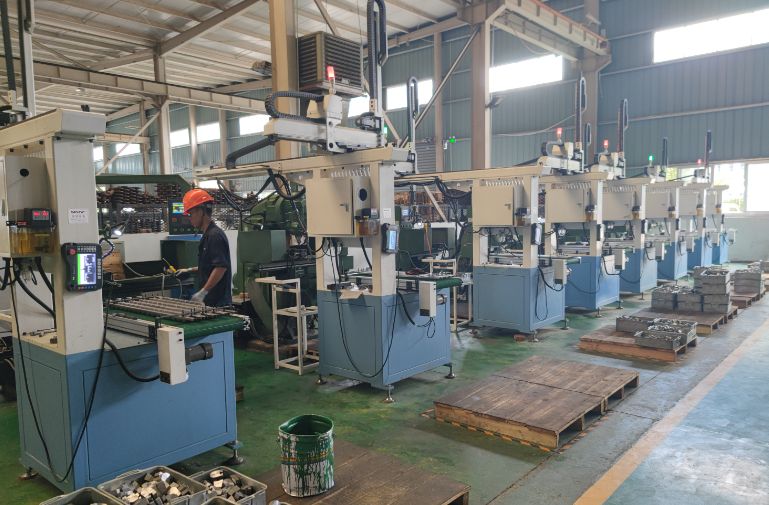 and optimize design. In the future, with the development of intelligent manufacturing and automation technology, valve reliability tests will also evolve towards more efficient and intelligent directions.
In industrial production, valves act as key components for controlling the flow of fluid media, and the stability and reliability of their performance are directly related to the normal operation of equipment and production safety. Therefore, conducting reliability tests for valves is an important means to evaluate their long-term operating capability under different working conditions. This article will discuss how to scientifically and effectively carry out valve reliability tests from aspects such as test objectives, basic procedures, key test items, and precautions.
One, The purpose of the valve reliability test
The purpose of the valve reliability test is to verify whether
the valve can maintain the stability of its functional performance and sealing performance within the design life and under specified working conditions. By simulating parameters such as pressure, temperature, medium, and opening and closing frequency under actual working conditions, the durability, fatigue resistance, and sealing performance of the valve in long-term use are evaluated.Two, The basic process of the test
1. Test preparation
Including determining the test standard (such as GB/T, API, ISO, etc.), preparing test samples, setting up the test system, calibrating measuring instruments, etc. The appropriate test method should be selected according to the type of valve (such as ball valve, gate valve, stop valve, etc.) and the working conditions.
2. Initial performance
testBefore the reliability test begins, conduct basic performance tests on the valve, including opening and closing torque, flow characteristics, sealing, and pressure resistance,
to provide basic data for subsequent comparisons.3. Cycle life test
Simulate the opening and closing cycles under actual operating conditions, and record the performance changes of the valve after thousands to tens of thousands of opening and closing cycles. During the test, leakage amount, opening and closing torque, and component wear must be monitored.
4. Extreme working condition test
Based on the conventional cycle test, additional tests under extreme conditions such as high temperature, low temperature, high pressure difference, and corrosive medium are added to evaluate the adaptability and stability of valves under abnormal working conditions.
5. Fault analysis and data evaluation
After the test, disassemble and inspect the valve to analyze the wear, corrosion, and sealing surface damage of the components, and evaluate its reliability level in combination with the data throughout the process.
Three, Examples of main test items
- Opening and closing life test: Evaluate the structural strength and operational performance of valves during frequent opening and closing processes.
- Sealing performance test: Detect the internal and external leakage of valves under different pressure conditions.
- Pressure and strength test: Verify the structural strength of the pressure-bearing parts of the valve.
- Corrosion resistance test: Evaluate the corrosion resistance of materials in special medium environments.
- High and low temperature adaptability test: Simulate the operation performance of valves under extreme temperature conditions.
Four, Matters needing attention
1. Strict adherence to standards: Formulate test plans based on
international or national relevant standards.2. Complete data recording: Ensure the accuracy and reliability of data collection throughout the test process.
3. Matching test equipment: Select appropriate test benches and loading systems to simulate real working conditions.
4. Representative sample selection: Select representative product samples for testing to ensure the general applicability of the results.
5. Adequate safety protection: Under conditions of high pressure and high temperature, etc., it is necessary to take comprehensive safety measures.
Conclusion
The valve reliability test is an important link in ensuring the safe and stable operation of industrial systems. Through systematic test design and strict execution procedures, the performance limits and service life of valve products can be comprehensively evaluated, providing strong support for enterprises to improve product quality
and optimize design. In the future, with the development of intelligent manufacturing and automation technology, valve reliability tests will also evolve towards more efficient and intelligent directions.




TOP
18914229323