
 18914229323

How to ensure the safety test of valves
Valves,asanindispensablecontrolelementinindustrialpipelinesystems,arewidelyusedinmanyfieldssuchasoil,chemicals,electricity,metallurgy,andsoon.Thequalityoftheirperformancedirectlyaffectsthesafeoperati...
Hotline
Valves, as an indispensable control element in industrial pipeline systems, are widely used in many fields such as oil, chemicals, electricity, metallurgy, and so on. The quality of their performance directly affects the safe operation of the entire system, so the safety test of valves is particularly important. In order to ensure that valves can work safely and reliably under various working conditions, it is necessary to verify their sealing, strength, and operational performance through scientific and systematic testing methods.
Firstly, the valve strength test is the foundation for ensuring safety. This test mainly checks whether the pressure-bearing parts such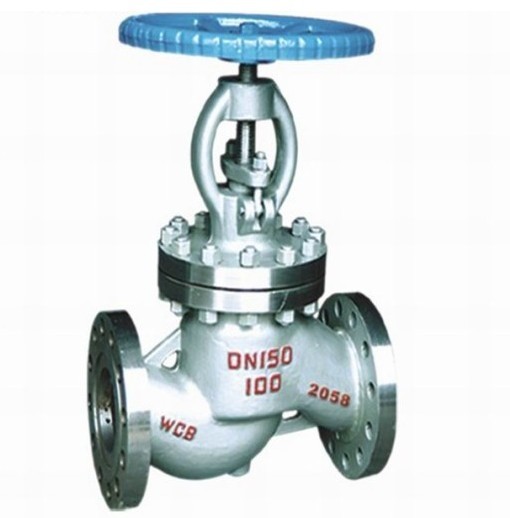 as the valve body and cover can withstand the design pressure. Usually, water pressure or air pressure tests are used, with water pressure tests being more common because liquids are almost incompressible, and once they burst, the energy released is relatively small, making it safer. According to relevant standards, such as GB/T 13927 'Industrial Valves Pressure Test', the test pressure is generally 1.5 times the design pressure and is maintained for a certain period of time (such as 5 minutes) to observe for leakage or structural damage.
Secondly, the sealing test is an important link to evaluate the ability of valves to prevent medium leakage when closed. The test medium is usually water, air, or inert gas. During the test process, the upper seal and seat seal of the valve are tested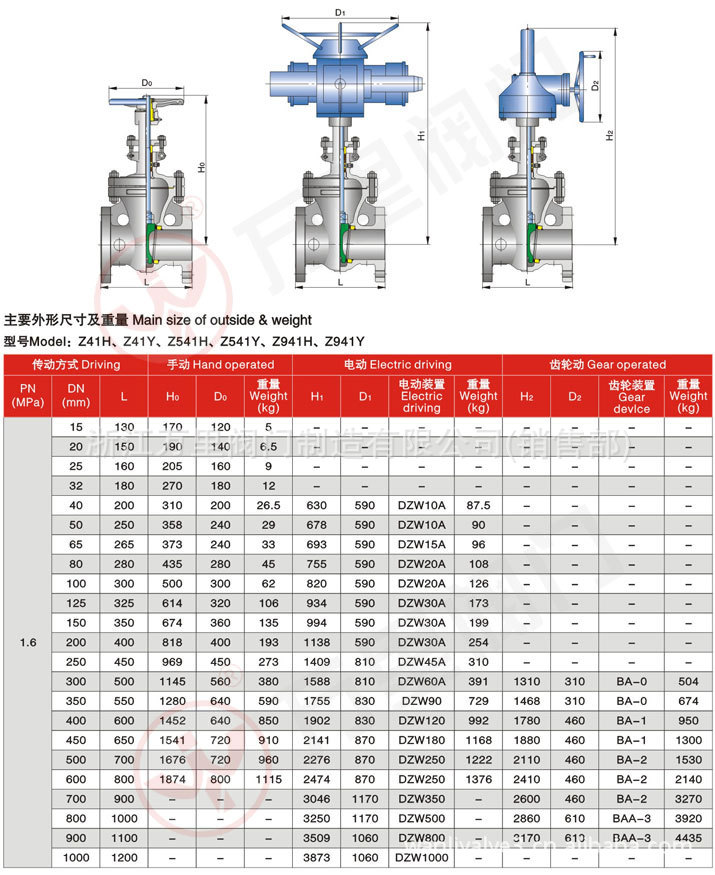 separately to ensure that there is no visible leakage under the design pressure. For valves used in high temperature and high pressure or toxic and harmful medium environments, more stringent 'zero leakage' tests are often required.
Thirdly, the operational performance test aims to verify the flexibility and reliability of valves in actual operation. It includes tests such as opening and closing times and torque tests. By performing multiple opening and closing operations, it checks whether the valve is sticky or the movement is smooth, and at the same time measures whether the torque required for opening and closing is within the allowable range. This is particularly important for electric or pneumatic valves to ensure that the actuator selection is reasonable and the system operation is stable.
In addition, the following points should be noted when conducting safety tests:
- Follow standards and specifications: Different industries have different performance requirements for valves, and the test should refer to national or international standards (such as ISO, API, GB) for implementation.
- Use qualified testing equipment and personnel: Testing equipment should be calibrated regularly, and test personnel should have the corresponding qualifications and experience to ensure the accuracy of the test results.
- Record and report: All test data should be recorded in detail and form a complete test report for traceability and quality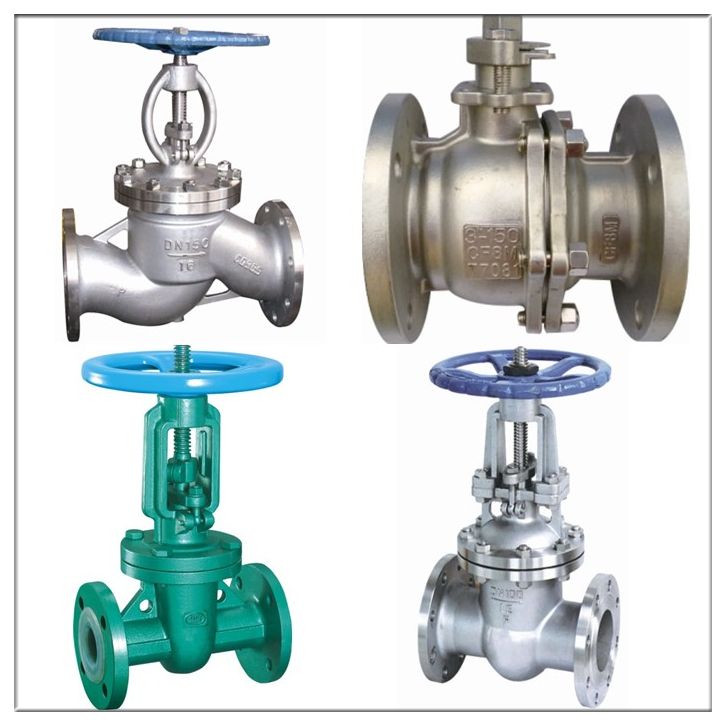 control.
In summary, the valve safety test is an important means to ensure the quality of valves and the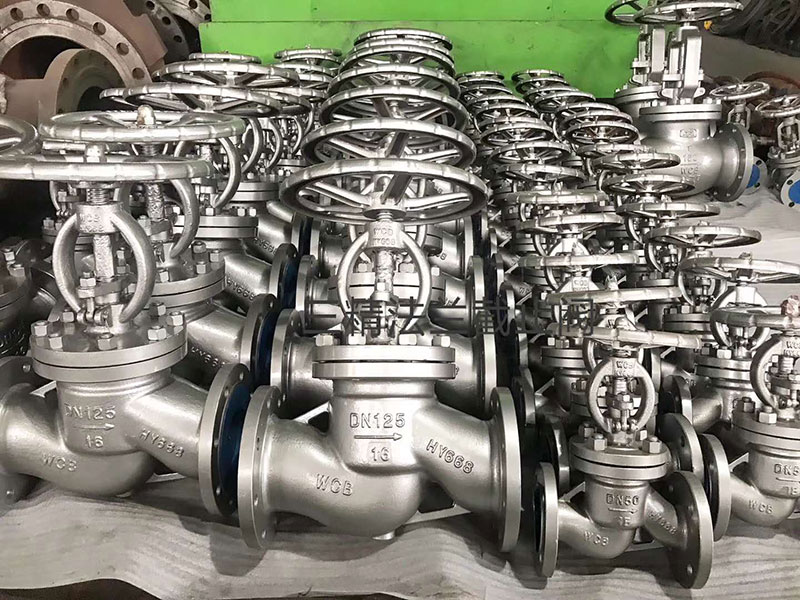 safe operation of the system. Only through strict and standardized testing procedures can leaks, bursts and other accidents be effectively prevented, ensuring personnel safety and production stability. In today's increasingly important industrial safety, valve manufacturing enterprises and users should attach great importance to this link and jointly improve the overall safety level of the system.
Valves, as an indispensable control element in industrial pipeline systems, are widely used in many fields such as oil, chemicals, electricity, metallurgy, and so on. The quality of their performance directly affects the safe operation of the entire system, so the safety test of valves is particularly important. In order to ensure that valves can work safely and reliably under various working conditions, it is necessary to verify their sealing, strength, and operational performance through scientific and systematic testing methods.
Firstly, the valve strength test is the foundation for ensuring safety. This test mainly checks whether the pressure-bearing parts such
as the valve body and cover can withstand the design pressure. Usually, water pressure or air pressure tests are used, with water pressure tests being more common because liquids are almost incompressible, and once they burst, the energy released is relatively small, making it safer. According to relevant standards, such as GB/T 13927 'Industrial Valves Pressure Test', the test pressure is generally 1.5 times the design pressure and is maintained for a certain period of time (such as 5 minutes) to observe for leakage or structural damage.Secondly, the sealing test is an important link to evaluate the ability of valves to prevent medium leakage when closed. The test medium is usually water, air, or inert gas. During the test process, the upper seal and seat seal of the valve are tested
separately to ensure that there is no visible leakage under the design pressure. For valves used in high temperature and high pressure or toxic and harmful medium environments, more stringent 'zero leakage' tests are often required.Thirdly, the operational performance test aims to verify the flexibility and reliability of valves in actual operation. It includes tests such as opening and closing times and torque tests. By performing multiple opening and closing operations, it checks whether the valve is sticky or the movement is smooth, and at the same time measures whether the torque required for opening and closing is within the allowable range. This is particularly important for electric or pneumatic valves to ensure that the actuator selection is reasonable and the system operation is stable.
In addition, the following points should be noted when conducting safety tests:
- Follow standards and specifications: Different industries have different performance requirements for valves, and the test should refer to national or international standards (such as ISO, API, GB) for implementation.
- Use qualified testing equipment and personnel: Testing equipment should be calibrated regularly, and test personnel should have the corresponding qualifications and experience to ensure the accuracy of the test results.
- Record and report: All test data should be recorded in detail and form a complete test report for traceability and quality
control.In summary, the valve safety test is an important means to ensure the quality of valves and the
safe operation of the system. Only through strict and standardized testing procedures can leaks, bursts and other accidents be effectively prevented, ensuring personnel safety and production stability. In today's increasingly important industrial safety, valve manufacturing enterprises and users should attach great importance to this link and jointly improve the overall safety level of the system.




TOP
18914229323