
 18914229323

How to implement valve strength tests
Valves,ascriticalcomponentsinfluidcontrolsystems,theirsafetyandreliabilityaredirectlyrelatedtothestabilityoftheentiresystem‘soperation.Inordertoensurethatvalvescanoperatenormallyunderworkingpressurea...
Hotline
Valves, as critical components in fluid control systems, their safety and reliability are directly related to the stability of the entire system's operation. In order to ensure that valves can operate normally under working pressure and prevent accidents such as leakage or bursting, it is necessary to conduct strength tests on valves. This article will introduce the basic requirements, implementation steps, and relevant precautions for valve strength tests.
First, the purpose of the valve strength test
The main purpose of the valve strength test is to verify whether the mechanical strength of the pressure-bearing parts such as the valve body and the valve cover meets the design requirements. By testing under conditions higher than the working pressure, casting defects, welding cracks, structural weak points, and other problems can be effectively discovered, ensuring that the valve can withstand the rated pressure without damage during actual use.
Second, applicable standards and test media
The strength test should be carried out according to relevant national standards or industry specifications, such as GB/T 13927 'Industrial Valves Pressure Test', API 598 'Valve Inspection and Test', etc. Usually, the test medium is clean water or inert gas (such as air). Considering safety, hydrostatic testing is more common because water is almost incompressible, and the released energy is much less than that of gas once it breaks.
Third, preparation before the test
1. External inspection: Confirm that there are no obvious damages, rust,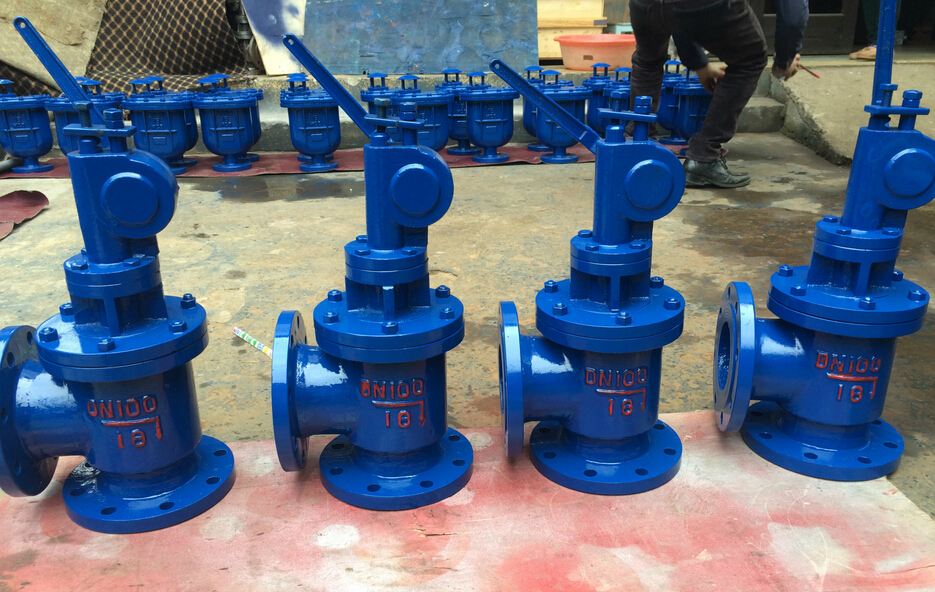 or deformation on the appearance of the valve.
2. Clean internal debris: Remove chips, oil stains, and other impurities inside the valve to ensure the cleanliness of the sealing surface.
3. Install blind plates and sealing parts: Install test blind plates at both ends of the valve and ensure good sealing.
4. Connect the test device: Install the valve correctly on the test bench and connect the water supply and pressure control system.
Fourth, test steps
1. Filling water and exhaust: Slowly fill water into the inside of the valve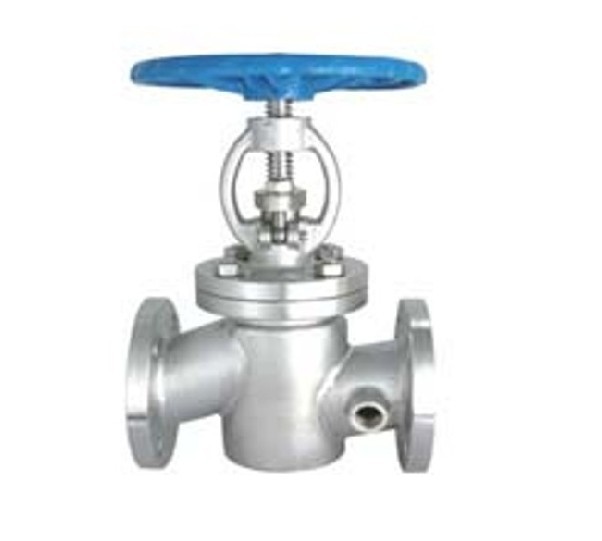 while opening the exhaust valve to expel the internal air.
2. Increase pressure to the specified value: According to the standard requirements, gradually increase the pressure to the specified test pressure (usually 1.5 times of the nominal pressure).
3. Pressure maintenance check: Maintain the test pressure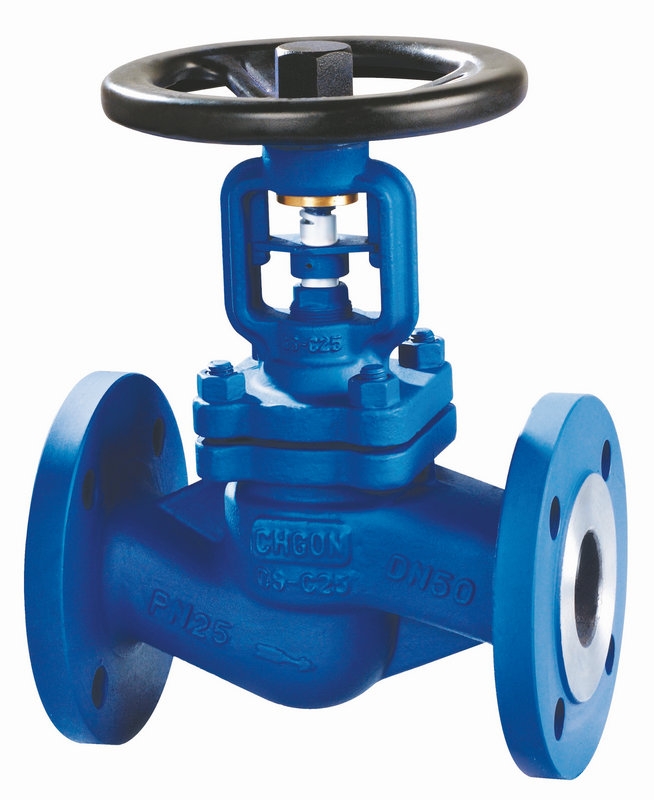 for a period of time (usually not less than 5 minutes), during which check whether there is leakage or deformation at the valve
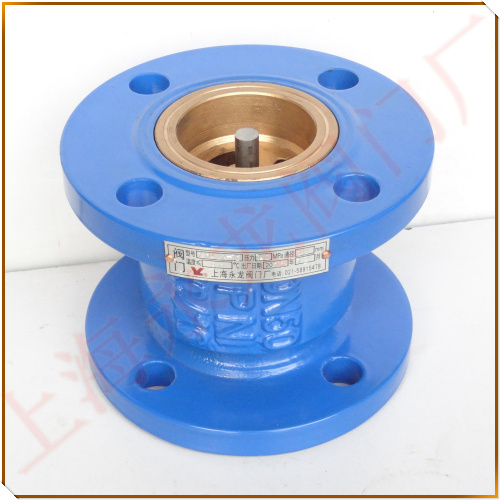 body, valve cover, and connection parts.
4. Pressure relief and drainage: After the test is completed, slowly relieve the pressure and drain the water inside the valve.
Fifth, qualification judgment
After the test, if there is no leakage, no structural deformation, and no pressure drop at all parts of the valve, it is judged as qualified; if there is leakage, bursting, or permanent deformation, it is judged as unqualified, and it needs to be returned to the factory for repair or scrapped.
Sixth, precautions
- Operators must receive professional training and be familiar with the operation process of the test equipment.
- Safety protection measures should be in place during the test process to prevent sudden leakage of high-pressure media and cause injury.
- For valves made of special materials or used for hazardous media, special test media should be used and corresponding protective measures should be taken.
Conclusion
The strength test of valves is an important means to ensure the quality and safety of valves. Only by strictly following the standard process can the bearing capacity of the valve be comprehensively tested, and accidents caused by valve failure can be avoided. Therefore, manufacturing enterprises, testing institutions, and user units should attach great importance to every link of the valve strength test and ensure the safe operation of equipment and systems.
Valves, as critical components in fluid control systems, their safety and reliability are directly related to the stability of the entire system's operation. In order to ensure that valves can operate normally under working pressure and prevent accidents such as leakage or bursting, it is necessary to conduct strength tests on valves. This article will introduce the basic requirements, implementation steps, and relevant precautions for valve strength tests.
First, the purpose of the valve strength test
The main purpose of the valve strength test is to verify whether the mechanical strength of the pressure-bearing parts such as the valve body and the valve cover meets the design requirements. By testing under conditions higher than the working pressure, casting defects, welding cracks, structural weak points, and other problems can be effectively discovered, ensuring that the valve can withstand the rated pressure without damage during actual use.
Second, applicable standards and test media
The strength test should be carried out according to relevant national standards or industry specifications, such as GB/T 13927 'Industrial Valves Pressure Test', API 598 'Valve Inspection and Test', etc. Usually, the test medium is clean water or inert gas (such as air). Considering safety, hydrostatic testing is more common because water is almost incompressible, and the released energy is much less than that of gas once it breaks.
Third, preparation before the test
1. External inspection: Confirm that there are no obvious damages, rust,
or deformation on the appearance of the valve.2. Clean internal debris: Remove chips, oil stains, and other impurities inside the valve to ensure the cleanliness of the sealing surface.
3. Install blind plates and sealing parts: Install test blind plates at both ends of the valve and ensure good sealing.
4. Connect the test device: Install the valve correctly on the test bench and connect the water supply and pressure control system.
Fourth, test steps
1. Filling water and exhaust: Slowly fill water into the inside of the valve
while opening the exhaust valve to expel the internal air.2. Increase pressure to the specified value: According to the standard requirements, gradually increase the pressure to the specified test pressure (usually 1.5 times of the nominal pressure).
3. Pressure maintenance check: Maintain the test pressure
for a period of time (usually not less than 5 minutes), during which check whether there is leakage or deformation at the valve body, valve cover, and connection parts.4. Pressure relief and drainage: After the test is completed, slowly relieve the pressure and drain the water inside the valve.
Fifth, qualification judgment
After the test, if there is no leakage, no structural deformation, and no pressure drop at all parts of the valve, it is judged as qualified; if there is leakage, bursting, or permanent deformation, it is judged as unqualified, and it needs to be returned to the factory for repair or scrapped.
Sixth, precautions
- Operators must receive professional training and be familiar with the operation process of the test equipment.
- Safety protection measures should be in place during the test process to prevent sudden leakage of high-pressure media and cause injury.
- For valves made of special materials or used for hazardous media, special test media should be used and corresponding protective measures should be taken.
Conclusion
The strength test of valves is an important means to ensure the quality and safety of valves. Only by strictly following the standard process can the bearing capacity of the valve be comprehensively tested, and accidents caused by valve failure can be avoided. Therefore, manufacturing enterprises, testing institutions, and user units should attach great importance to every link of the valve strength test and ensure the safe operation of equipment and systems.




TOP
18914229323