
 18914229323

How to deal with valve corrosion protection
Inindustrialproduction,valves,asanimportantpartoffluidcontrolsystems,arewidelyusedinmanyfieldssuchasoil,chemicals,electricity,metallurgy,etc.Duetothecomplexworkingenvironment,valvesoftenfaceseverecon...
Hotline
In industrial production, valves, as an important part of fluid control systems, are widely used in many fields such as oil, chemicals, electricity, metallurgy, etc. Due to the complex working environment, valves often face severe conditions such as high temperature, high pressure, and corrosive media, which are prone to corrosion. Corrosion not only affects the service life of valves but can also lead to leakage, failure, or even safety accidents. Therefore, taking effective corrosion protection measures is of great importance for ensuring the normal operation of equipment.
One, Analysis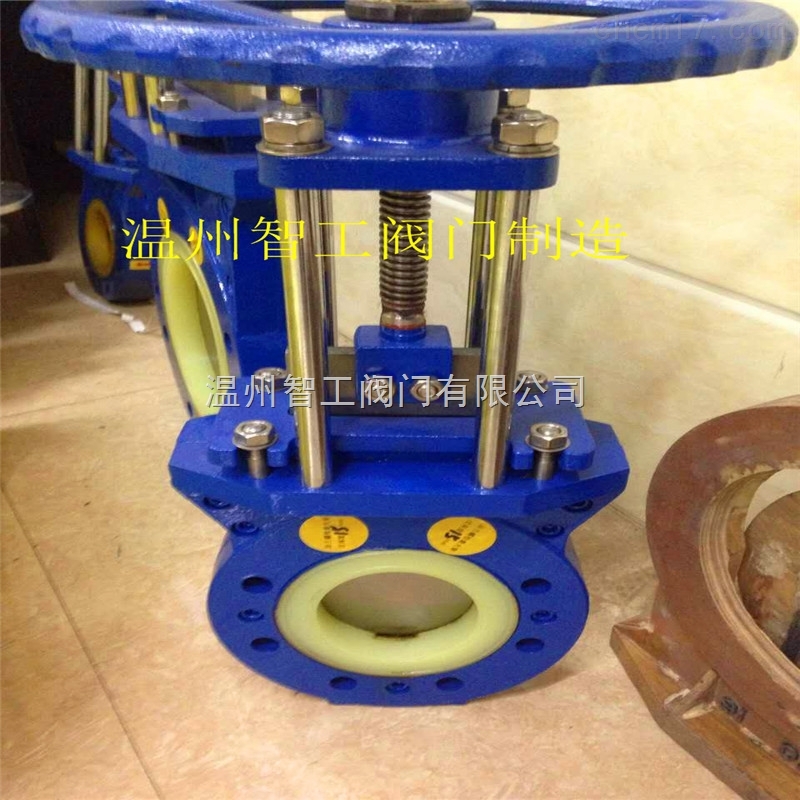 of the causes of valve corrosion
The corrosion of valves is mainly divided into two forms: chemical corrosion and electrochemical corrosion. Chemical corrosion is caused by direct chemical reactions between valve materials and media, such as the erosion of metal surfaces by corrosive substances such as acids, bases, and salts; electrochemical corrosion is an oxidation reaction caused by the potential difference between metals or between metals and media in an environment with electrolytes, such as the rusting of metals.
In addition, factors such as environmental temperature, humidity, and medium flow rate will also exacerbate the occurrence of corrosion.
Two, Valve corrosion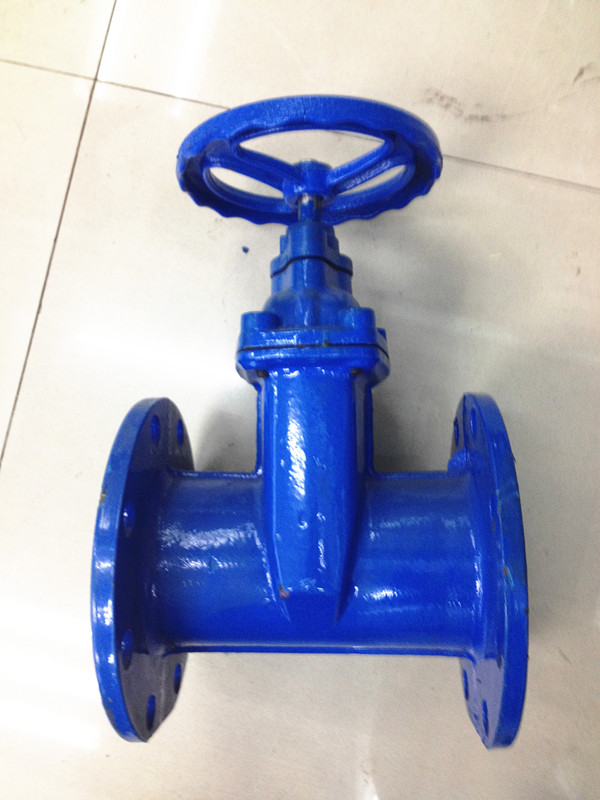 protection measures
1. Rational material selection
The selection of valve materials should be scientifically evaluated according to the properties, temperature, pressure, and other parameters of the working medium. For media with strong corrosiveness, stainless steel, cast iron, copper alloys, titanium alloys, and other corrosion-resistant materials can be selected; for high-temperature or high-pressure environments, alloy steel materials with high strength and high-temperature resistance should be chosen.
2. Surface coating and plating treatment
Applying coatings or plating on the valve surface is a commonly used anti-corrosion method. For example, spraying epoxy resin, polytetrafluoroethylene (PTFE), enamel, and other anti-corrosion coatings can effectively isolate the contact between the medium and the metal surface. Electroplating with nickel, chromium, zinc, and other metal coatings can also achieve a good anti-corrosion effect.
3. Cathodic protection technology
Cathodic protection is a method to prevent metal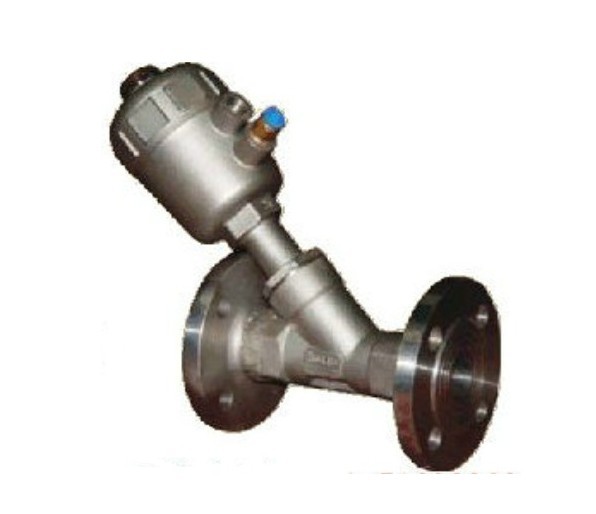 corrosion by controlling electrochemical reactions, which is divided into two types: sacrificial anode method and external current method. This method is commonly used for the corrosion protection of buried or underwater valves.
4. Optimization of sealing structure
Preventing the medium from seeping into the valve interior is also an important link in anti-corrosion. The use of high-performance sealing materials and optimized sealing structure design can effectively prevent the corrosion medium from entering the key parts of the valve, extending its service life.
5. Regular maintenance and inspection
Establish a complete valve maintenance system, regularly clean, lubricate, and check the operation status of valves, and promptly detect and deal with corrosion signs to prevent further expansion of corrosion.
Three, Conclusion
In summary, valve corrosion is an issue that cannot be ignored. It is necessary to take comprehensive protective measures from multiple aspects such as material selection, manufacturing technology, usage environment, and maintenance management. Only in this way can the service life of valves be effectively extended, ensuring the safe and stable operation of industrial systems, reducing maintenance costs, and improving economic benefits. With the development of material science and surface engineering technology, the anti-corrosion ability of valves will be further improved in the future, providing a stronger guarantee for the sustainable development of the industrial field.
In industrial production, valves, as an important part of fluid control systems, are widely used in many fields such as oil, chemicals, electricity, metallurgy, etc. Due to the complex working environment, valves often face severe conditions such as high temperature, high pressure, and corrosive media, which are prone to corrosion. Corrosion not only affects the service life of valves but can also lead to leakage, failure, or even safety accidents. Therefore, taking effective corrosion protection measures is of great importance for ensuring the normal operation of equipment.
One, Analysis
of the causes of valve corrosionThe corrosion of valves is mainly divided into two forms: chemical corrosion and electrochemical corrosion. Chemical corrosion is caused by direct chemical reactions between valve materials and media, such as the erosion of metal surfaces by corrosive substances such as acids, bases, and salts; electrochemical corrosion is an oxidation reaction caused by the potential difference between metals or between metals and media in an environment with electrolytes, such as the rusting of metals.
In addition, factors such as environmental temperature, humidity, and medium flow rate will also exacerbate the occurrence of corrosion.
Two, Valve corrosion
protection measures1. Rational material selection
The selection of valve materials should be scientifically evaluated according to the properties, temperature, pressure, and other parameters of the working medium. For media with strong corrosiveness, stainless steel, cast iron, copper alloys, titanium alloys, and other corrosion-resistant materials can be selected; for high-temperature or high-pressure environments, alloy steel materials with high strength and high-temperature resistance should be chosen.
2. Surface coating and plating treatment
Applying coatings or plating on the valve surface is a commonly used anti-corrosion method. For example, spraying epoxy resin, polytetrafluoroethylene (PTFE), enamel, and other anti-corrosion coatings can effectively isolate the contact between the medium and the metal surface. Electroplating with nickel, chromium, zinc, and other metal coatings can also achieve a good anti-corrosion effect.
3. Cathodic protection technology
Cathodic protection is a method to prevent metal
corrosion by controlling electrochemical reactions, which is divided into two types: sacrificial anode method and external current method. This method is commonly used for the corrosion protection of buried or underwater valves.4. Optimization of sealing structure
Preventing the medium from seeping into the valve interior is also an important link in anti-corrosion. The use of high-performance sealing materials and optimized sealing structure design can effectively prevent the corrosion medium from entering the key parts of the valve, extending its service life.
5. Regular maintenance and inspection
Establish a complete valve maintenance system, regularly clean, lubricate, and check the operation status of valves, and promptly detect and deal with corrosion signs to prevent further expansion of corrosion.
Three, Conclusion
In summary, valve corrosion is an issue that cannot be ignored. It is necessary to take comprehensive protective measures from multiple aspects such as material selection, manufacturing technology, usage environment, and maintenance management. Only in this way can the service life of valves be effectively extended, ensuring the safe and stable operation of industrial systems, reducing maintenance costs, and improving economic benefits. With the development of material science and surface engineering technology, the anti-corrosion ability of valves will be further improved in the future, providing a stronger guarantee for the sustainable development of the industrial field.




TOP
18914229323