
 18914229323

How to eliminate the water hammer effect of valves
Inindustrialpipelinesystems,theoperationofvalveopeningandclosingisanimportantlinkindailyoperation.However,whentheliquidflowsathighspeedinthepipelineandthevalveissuddenlyclosed,thekineticenergyoftheli...
Hotline
In industrial pipeline systems, the operation of valve opening and closing is an important link in daily operation. However, when the liquid flows at high speed in the pipeline and the valve is suddenly closed, the kinetic energy of the liquid will be instantaneously converted into pressure energy due to the inertial effect, thus producing a phenomenon known as 'water hammer effect'. This effect may cause pipeline vibration, increased noise, and even lead to serious accidents such as pipeline rupture and valve damage. Therefore, it is of great significance to study and master how to effectively eliminate or mitigate the impact of valve water hammer effect on the safe operation of the system.
1. The mechanism of water hammer phenomenon
When valves are closed quickly, the fluid flow inside the pipeline is suddenly blocked. The inertia of the fluid causes the pressure to rise sharply, forming pressure waves that propagate upstream. When the pressure waves reach the other end of the pipeline and reflect back, they may form pressure fluctuations. This fluctuation propagates back and forth in the pipeline, causing continuous vibration and impact force. This phenomenon is known as water hammer effect.
The influencing factors mainly include the fluid velocity, pipe diameter, pipe material, valve closing time, and the boundary conditions of the system.
2. Methods for eliminating or mitigating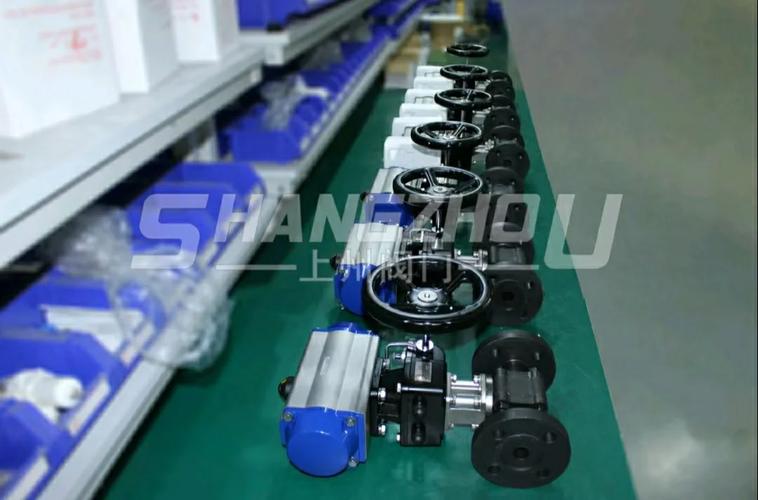 water hammer
1. Extending the valve closing time
The closing speed of valves is one of the key factors affecting the strength of water hammer. By using slow-closing valves, extending the valve closing process, and gradually reducing the fluid velocity, the sudden conversion of kinetic energy can be reduced, which is an effective means to alleviate water hammer. For example, hydraulic control slow-closing check valves, electric valve control systems, etc., can achieve precise control of the closing time.
2. Installation of cushioning devices
Install air chambers, pressure tanks, or water hammer eliminators, etc., as cushioning devices in the system. These devices can absorb excess energy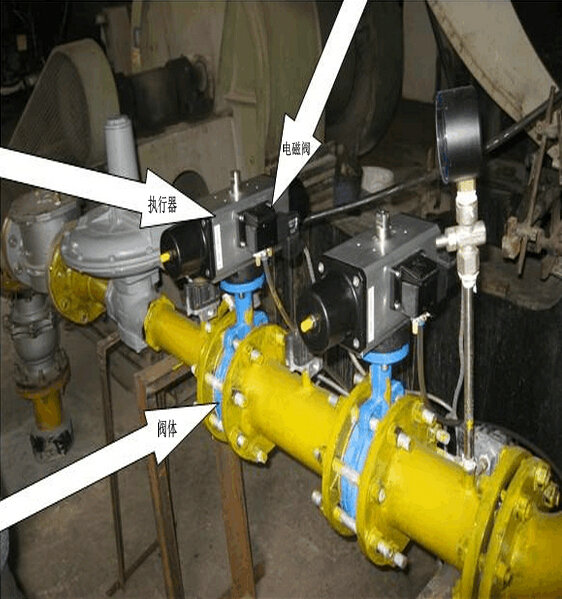 during sudden pressure rises and alleviate the impact of water hammer. These devices absorb pressure fluctuations by compressing gases or deforming elastic materials, thereby protecting the pipeline system.
3. Setting bypass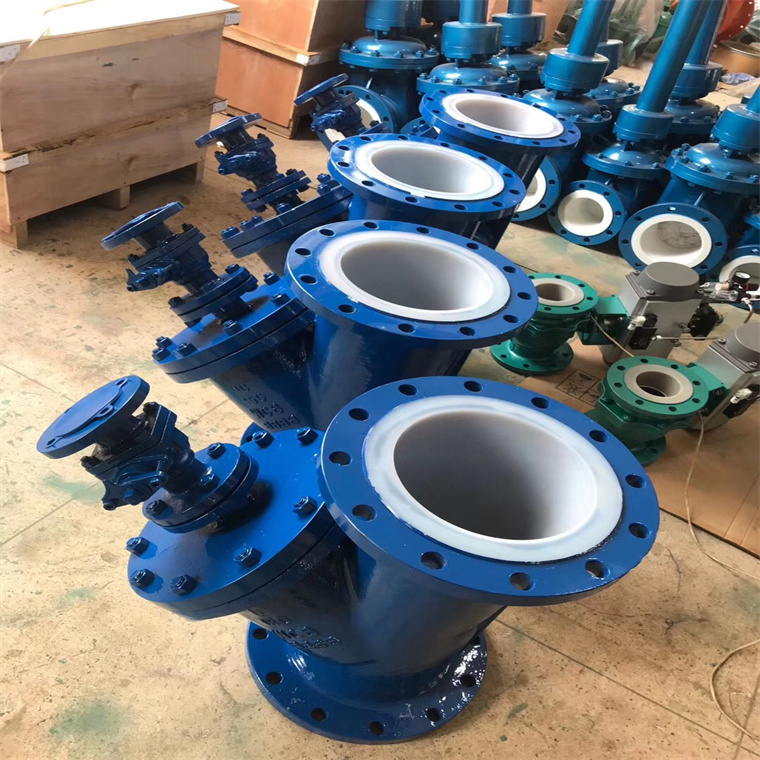 pipelines or relief valves
Install relief valves or bypass pipelines at key locations. When the system pressure exceeds the set value, automatic pressure relief occurs to prevent equipment damage caused by excessive pressure. This method is suitable for high-pressure systems or situations with high water hammer risk.
4. Optimization of pipeline network design
Reasonably designing the pipeline path, length, and support structure helps to avoid sudden bends, high points, or dead zones in the pipeline, which is conducive to reducing the vibration and stress concentration caused by water hammer. In addition, the use of flexible connection materials and increasing support points can also improve the system's vibration resistance.
5. Application of intelligent control systems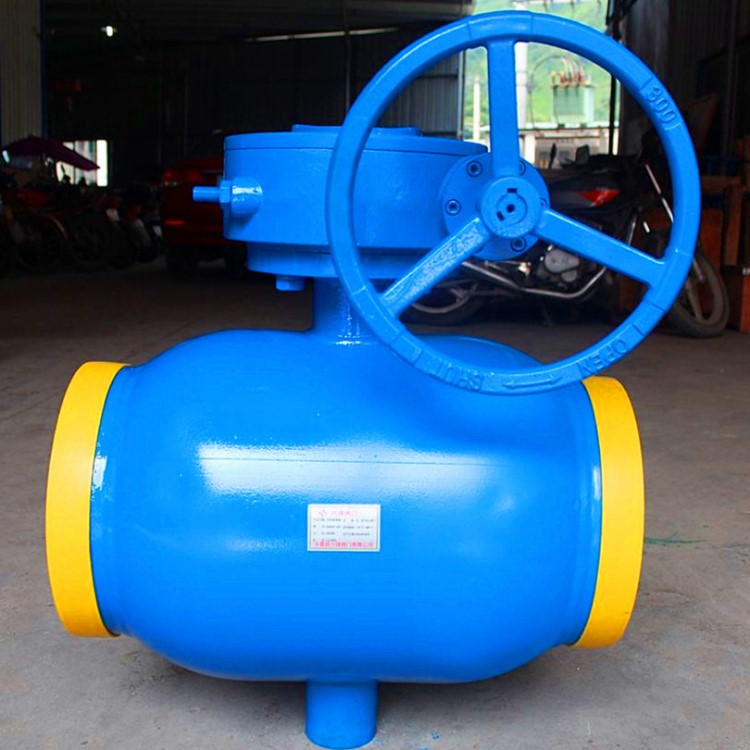
In modern industrial systems, PLC, DCS, and other intelligent control systems are increasingly used for automated management of valve operations. By controlling the opening and closing speed and sequence of valves through programs, water hammer can be effectively prevented.
3. Summary
Water hammer effect is a common safety hazard in pipeline systems, but through scientific design, reasonable equipment selection, and effective operation control measures, its impact can be reduced to the lowest possible level. In practical applications, it is necessary to combine system characteristics and operational requirements, take a comprehensive range of measures, and establish a comprehensive water hammer protection system to ensure the safe and stable operation of the entire fluid system.
In summary, eliminating the water hammer effect of valves not only requires technical means of support, but also cannot be separated from the emphasis on daily operation and management. Only by combining theory with practice can we truly achieve safe, efficient, and sustainable pipeline operation.
In industrial pipeline systems, the operation of valve opening and closing is an important link in daily operation. However, when the liquid flows at high speed in the pipeline and the valve is suddenly closed, the kinetic energy of the liquid will be instantaneously converted into pressure energy due to the inertial effect, thus producing a phenomenon known as 'water hammer effect'. This effect may cause pipeline vibration, increased noise, and even lead to serious accidents such as pipeline rupture and valve damage. Therefore, it is of great significance to study and master how to effectively eliminate or mitigate the impact of valve water hammer effect on the safe operation of the system.
1. The mechanism of water hammer phenomenon
When valves are closed quickly, the fluid flow inside the pipeline is suddenly blocked. The inertia of the fluid causes the pressure to rise sharply, forming pressure waves that propagate upstream. When the pressure waves reach the other end of the pipeline and reflect back, they may form pressure fluctuations. This fluctuation propagates back and forth in the pipeline, causing continuous vibration and impact force. This phenomenon is known as water hammer effect.
The influencing factors mainly include the fluid velocity, pipe diameter, pipe material, valve closing time, and the boundary conditions of the system.
2. Methods for eliminating or mitigating
water hammer1. Extending the valve closing time
The closing speed of valves is one of the key factors affecting the strength of water hammer. By using slow-closing valves, extending the valve closing process, and gradually reducing the fluid velocity, the sudden conversion of kinetic energy can be reduced, which is an effective means to alleviate water hammer. For example, hydraulic control slow-closing check valves, electric valve control systems, etc., can achieve precise control of the closing time.
2. Installation of cushioning devices
Install air chambers, pressure tanks, or water hammer eliminators, etc., as cushioning devices in the system. These devices can absorb excess energy
during sudden pressure rises and alleviate the impact of water hammer. These devices absorb pressure fluctuations by compressing gases or deforming elastic materials, thereby protecting the pipeline system.3. Setting bypass
pipelines or relief valvesInstall relief valves or bypass pipelines at key locations. When the system pressure exceeds the set value, automatic pressure relief occurs to prevent equipment damage caused by excessive pressure. This method is suitable for high-pressure systems or situations with high water hammer risk.
4. Optimization of pipeline network design
Reasonably designing the pipeline path, length, and support structure helps to avoid sudden bends, high points, or dead zones in the pipeline, which is conducive to reducing the vibration and stress concentration caused by water hammer. In addition, the use of flexible connection materials and increasing support points can also improve the system's vibration resistance.
5. Application of intelligent control systems
In modern industrial systems, PLC, DCS, and other intelligent control systems are increasingly used for automated management of valve operations. By controlling the opening and closing speed and sequence of valves through programs, water hammer can be effectively prevented.
3. Summary
Water hammer effect is a common safety hazard in pipeline systems, but through scientific design, reasonable equipment selection, and effective operation control measures, its impact can be reduced to the lowest possible level. In practical applications, it is necessary to combine system characteristics and operational requirements, take a comprehensive range of measures, and establish a comprehensive water hammer protection system to ensure the safe and stable operation of the entire fluid system.
In summary, eliminating the water hammer effect of valves not only requires technical means of support, but also cannot be separated from the emphasis on daily operation and management. Only by combining theory with practice can we truly achieve safe, efficient, and sustainable pipeline operation.




TOP
18914229323