
 18914229323
How to prevent cavitation
Cavitationisacommonphenomenoninfluiddynamics,mainlyoccurringinareaswithhighfluidflowvelocityandsuddenpressuredrop.Whenthelocalpressureoftheliquidislowerthanitssaturatedvaporpressure,bubbleswillformin...
Hotline
Cavitation is a common phenomenon in fluid dynamics, mainly occurring in areas with high fluid flow velocity and sudden pressure drop. When the local pressure of the liquid is lower than its saturated vapor pressure, bubbles will form in the liquid. These bubbles collapse rapidly when they move to high-pressure areas, generating intense shock waves and high temperatures, thereby causing serious damage to the equipment. Cavitation is commonly found in equipment such as pumps, turbines, propellers, valves, and is one of the key issues affecting equipment efficiency, lifespan, and operational stability. Therefore, studying the mechanism of cavitation and its prevention and control measures is of great significance.
One, The hazards of cavitation
Cavitation not only reduces the working efficiency of equipment but also causes the following serious consequences:
1. Material damage: The shock wave released when the bubble collapses can cause metal surface fatigue spalling, forming cavitation.
2. Increased noise and vibration: The bubble collapse during cavitation can cause equipment vibration and increased noise, affecting the working environment.
3. Performance degradation: Cavitation in pumps and other equipment can lead to a decrease in flow and head, even causing a flow interruption phenomenon.
Two, The main reasons for cavitation formation
Cavitation usually occurs in areas with high fluid velocity and low pressure, such as impeller inlets and valve throttling sections. The main reasons include:
- Low fluid inlet pressure;
- High fluid temperature;
- Excessive flow velocity or unreasonable channel design;
- Improper installation height of equipment (such as excessive pump suction head).
Three, Technical measures for preventing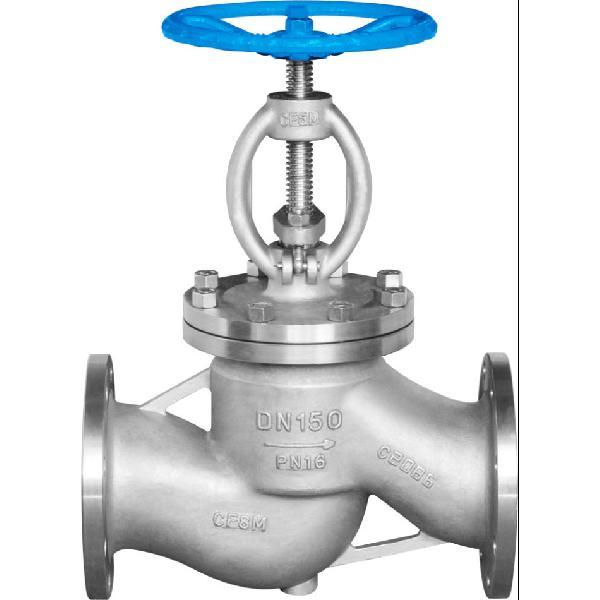 cavitation
To effectively prevent the occurrence of cavitation, measures should be taken from multiple aspects such as equipment design, selection, use, and maintenance:
1. Rational design of flow channel structure
Optimize the shape of the impeller, blades, and inlet and outlet angles to reduce local pressure drop and avoid bubble formation.
2. Increase intake pressure
Increase the intake pipe diameter and shorten the intake pipe length in pumps and other equipment appropriately to reduce the intake resistance and improve the effective NPSHa (Net Positive Suction Head available).
3. Control fluid temperature and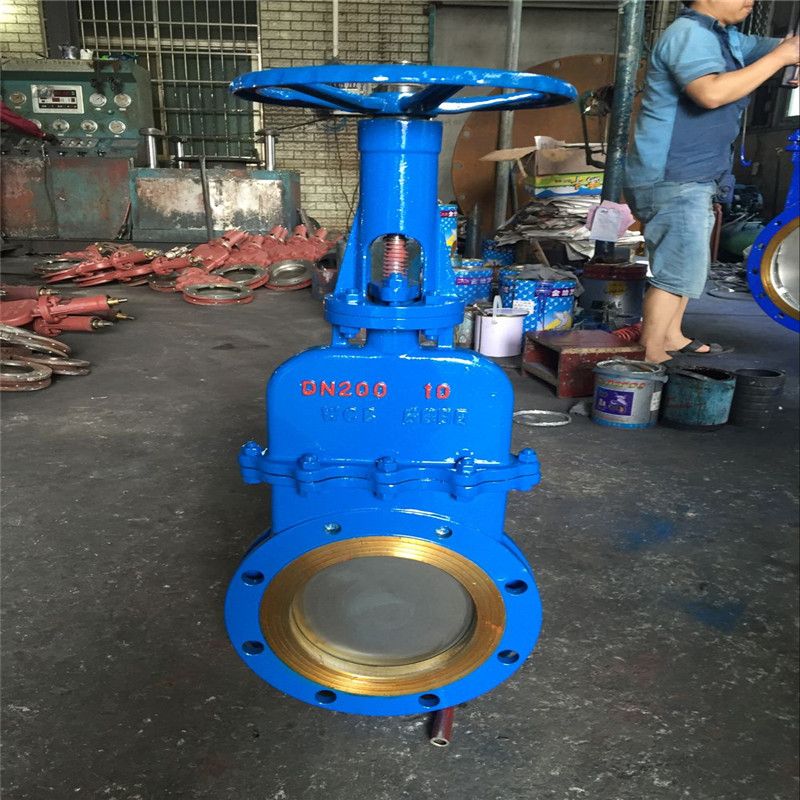 pressure
Maintain the fluid at a lower temperature to increase its saturated vapor pressure; maintain sufficient pressure in the high-pressure area to prevent bubble formation.
4. Rational selection and matching
Select materials and equipment types with high anti-cavitation ability according to the working conditions, such as stainless steel impellers, double-suction pumps, etc.
5. Adopt anti-cavitation materials and coatings
Use high-hardness, high-toughness materials to manufacture key components, or apply tungsten carbide, ceramic coatings, etc. on the surface to improve the anti-cavitation ability.
6. Regular maintenance and monitoring
Regularly check the equipment operation status, timely detect the signs of cavitation, such as abnormal noise and increased vibration, to prevent the further development of cavitation.
Four, Conclusion
Cavitation, as a complex fluid dynamic phenomenon, cannot be ignored in engineering practice. Through scientific design, reasonable selection, and effective operation and maintenance, the probability of cavitation occurrence can be significantly reduced, the service life of equipment can be extended, and the reliability and economy of system operation can be improved. In the future, with the development of computational fluid dynamics (CFD) technology and new materials, the prediction and prevention measures for cavitation will become more accurate and efficient, providing a strong guarantee for the safe operation of industrial equipment.
Cavitation is a common phenomenon in fluid dynamics, mainly occurring in areas with high fluid flow velocity and sudden pressure drop. When the local pressure of the liquid is lower than its saturated vapor pressure, bubbles will form in the liquid. These bubbles collapse rapidly when they move to high-pressure areas, generating intense shock waves and high temperatures, thereby causing serious damage to the equipment. Cavitation is commonly found in equipment such as pumps, turbines, propellers, valves, and is one of the key issues affecting equipment efficiency, lifespan, and operational stability. Therefore, studying the mechanism of cavitation and its prevention and control measures is of great significance.
One, The hazards of cavitation
Cavitation not only reduces the working efficiency of equipment but also causes the following serious consequences:
1. Material damage: The shock wave released when the bubble collapses can cause metal surface fatigue spalling, forming cavitation.
2. Increased noise and vibration: The bubble collapse during cavitation can cause equipment vibration and increased noise, affecting the working environment.
3. Performance degradation: Cavitation in pumps and other equipment can lead to a decrease in flow and head, even causing a flow interruption phenomenon.
Two, The main reasons for cavitation formation
Cavitation usually occurs in areas with high fluid velocity and low pressure, such as impeller inlets and valve throttling sections. The main reasons include:
- Low fluid inlet pressure;
- High fluid temperature;
- Excessive flow velocity or unreasonable channel design;
- Improper installation height of equipment (such as excessive pump suction head).
Three, Technical measures for preventing
cavitationTo effectively prevent the occurrence of cavitation, measures should be taken from multiple aspects such as equipment design, selection, use, and maintenance:
1. Rational design of flow channel structure
Optimize the shape of the impeller, blades, and inlet and outlet angles to reduce local pressure drop and avoid bubble formation.
2. Increase intake pressure
Increase the intake pipe diameter and shorten the intake pipe length in pumps and other equipment appropriately to reduce the intake resistance and improve the effective NPSHa (Net Positive Suction Head available).
3. Control fluid temperature and
pressureMaintain the fluid at a lower temperature to increase its saturated vapor pressure; maintain sufficient pressure in the high-pressure area to prevent bubble formation.
4. Rational selection and matching
Select materials and equipment types with high anti-cavitation ability according to the working conditions, such as stainless steel impellers, double-suction pumps, etc.
5. Adopt anti-cavitation materials and coatings
Use high-hardness, high-toughness materials to manufacture key components, or apply tungsten carbide, ceramic coatings, etc. on the surface to improve the anti-cavitation ability.
6. Regular maintenance and monitoring
Regularly check the equipment operation status, timely detect the signs of cavitation, such as abnormal noise and increased vibration, to prevent the further development of cavitation.
Four, Conclusion
Cavitation, as a complex fluid dynamic phenomenon, cannot be ignored in engineering practice. Through scientific design, reasonable selection, and effective operation and maintenance, the probability of cavitation occurrence can be significantly reduced, the service life of equipment can be extended, and the reliability and economy of system operation can be improved. In the future, with the development of computational fluid dynamics (CFD) technology and new materials, the prediction and prevention measures for cavitation will become more accurate and efficient, providing a strong guarantee for the safe operation of industrial equipment.




TOP
18914229323