
 18914229323

In fluid dynamics and engineering applications,
Firstly,understandingthecausesofpulsationiscrucialfortakingeffectivecontrolmeasures.Pulsatingflowusuallyoriginatesfromtheintermittentsupplyofvolumetricpumps(suchasplungerpumps,gearpumps)ortheperiodic...
Hotline
Firstly, understanding the causes of pulsation is crucial for taking effective control measures. Pulsating flow usually originates from the intermittent supply of volumetric pumps (such as plunger pumps, gear pumps) or the periodic changes in the intake and exhaust processes of compressors. In addition, the rapid opening and closing of valves, and disturbances in fluid flow in elbows, can also cause periodic fluctuations in fluid pressure and velocity.
To stabilize pulsating flow, common technical means include the following:
1. Install pulsation dampers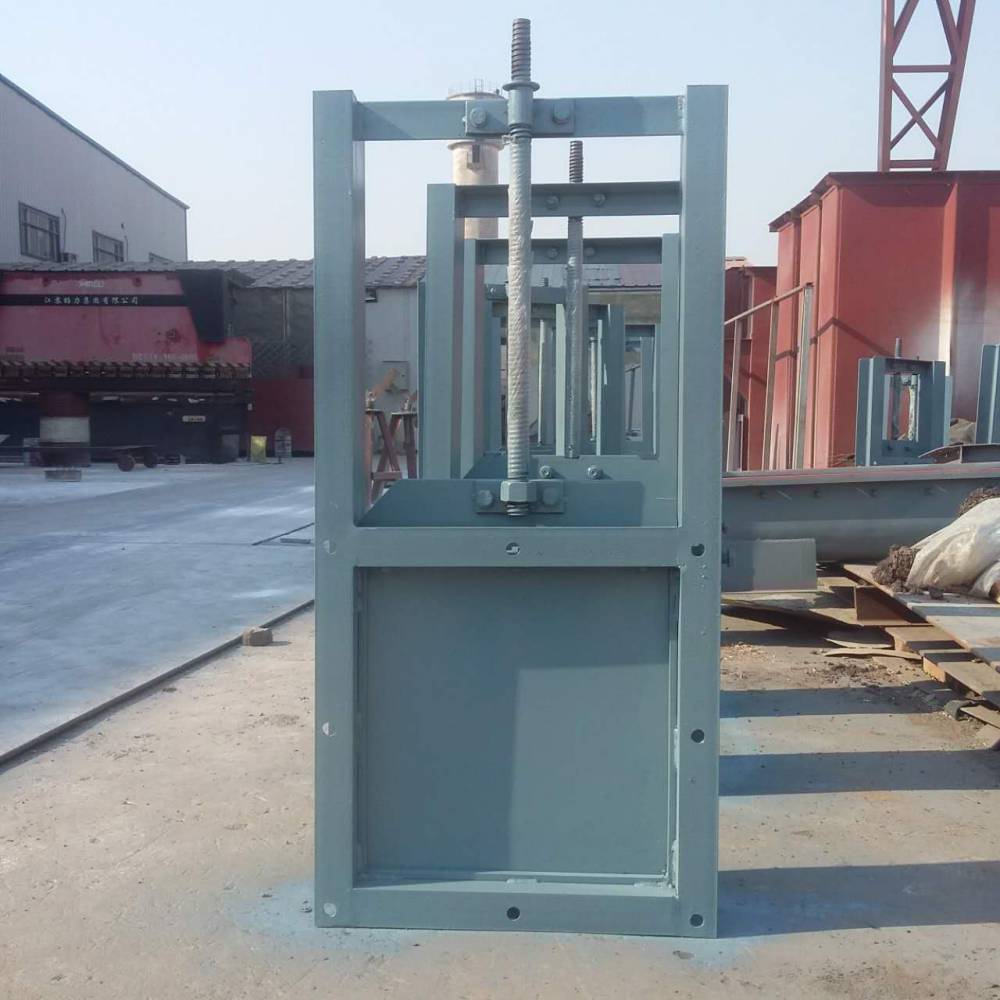
Pulsation dampers are a common device, usually installed near the pump outlet, which use gas compression or elastic elements such as springs to absorb fluid pulsation energy, thereby playing a buffering and stabilizing role. This device has a simple structure and significant effect, and is widely used in hydraulic systems and fluid supply systems.
2. Optimize pump design and operation
By adopting multi-cylinder pumps, multi-acting pumps, or variable frequency speed regulation technology, pulsation during the pumping process can be effectively reduced. For example, a three-cylinder pump has a more stable flow output compared to a single-cylinder pump; while a variable frequency inverter can adjust the motor speed according to the system requirements to achieve dynamic balance of flow.
3. Set a pressure vessel or accumulator
Setting a pressure vessel or accumulator in the system can store or release part of the fluid, thereby balancing the instantaneous pressure fluctuations. This has a good stable flow effect for both gas and liquid systems.
4. Reasonably design pipeline layout
The length, diameter, direction, and support method of the pipeline will all affect the propagation and attenuation of pulsation. Reasonable pipeline layout design can effectively reduce vibration and noise by avoiding resonance frequency and pulsation frequency from being consistent.
5. Adopt active control technology
With the development of intelligent control technology, some systems have begun to introduce active control strategies, such as using sensors to monitor the fluid state in real time and adjusting the working parameters of pumps or valves through feedback control to achieve more precise pulsation suppression.
In summary, the stability of pulsating flow is not only related to the stability and efficiency of the system, but also has a direct impact on the service life and operational safety of the equipment. Through scientific design, reasonable equipment selection, and advanced control methods, the adverse effects of pulsation can be effectively suppressed, and the overall operation quality of the system can be improved. In the future, with the advancement of intelligence and automation, the management of pulsating flow will become more efficient and accurate.
Firstly, understanding the causes of pulsation is crucial for taking effective control measures. Pulsating flow usually originates from the intermittent supply of volumetric pumps (such as plunger pumps, gear pumps) or the periodic changes in the intake and exhaust processes of compressors. In addition, the rapid opening and closing of valves, and disturbances in fluid flow in elbows, can also cause periodic fluctuations in fluid pressure and velocity.
To stabilize pulsating flow, common technical
means include the following:1. Install pulsation dampers
Pulsation dampers are a common device, usually installed near the pump outlet, which use gas compression or elastic elements such as springs to absorb fluid pulsation energy, thereby playing a buffering and stabilizing role. This device has a simple structure and significant effect, and is widely used in hydraulic systems and fluid supply systems.
2. Optimize pump design and operation
By adopting multi-cylinder pumps, multi-acting pumps, or variable frequency speed regulation technology, pulsation during the pumping process can be effectively reduced. For example, a three-cylinder pump has a more stable flow output compared to a single-cylinder pump; while a variable frequency inverter can adjust the motor speed according to the system requirements to achieve dynamic balance of flow.
3. Set a pressure vessel or accumulator
Setting a pressure vessel or accumulator in the system can store or release part of the fluid, thereby balancing the instantaneous pressure fluctuations. This has a good stable flow effect for both gas and liquid systems.
4. Reasonably design pipeline layout
The length, diameter, direction, and support method of the pipeline will all affect the propagation and attenuation of pulsation. Reasonable pipeline layout design can effectively reduce vibration and noise by avoiding resonance frequency and pulsation frequency from being consistent.
5. Adopt active control technology
With the development of intelligent control technology, some systems have begun to introduce active control strategies, such as using sensors to monitor the fluid state in real time and adjusting the working parameters of pumps or valves through feedback control to achieve more precise pulsation suppression.
In summary, the stability of pulsating flow is not only related to the stability and efficiency of the system, but also has a direct impact on the service life and operational safety of the equipment. Through scientific design, reasonable equipment selection, and advanced control methods, the adverse effects of pulsation can be effectively suppressed, and the overall operation quality of the system can be improved. In the future, with the advancement of intelligence and automation, the management of pulsating flow will become more efficient and accurate.




TOP
18914229323