
 18914229323

How to apply sealing materials
Inmodernindustrialandconstructionfields,sealingmaterialsplayacrucialrole.Theynotonlyrelatetothenormaloperationofequipmentbutalsodirectlyaffectthesafety,energy-savingeffect,andservicelifeofstructures....
Hotline
In modern industrial and construction fields, sealing materials play a crucial role. They not only relate to the normal operation of equipment but also directly affect the safety, energy-saving effect, and service life of structures. Sealing materials prevent the leakage of liquids, gases, or solid particles by filling the gaps between two contacting surfaces, thus achieving multiple functions such as sealing, leakage prevention, vibration reduction, and heat insulation.
Sealing materials are widely used in various industries. In construction engineering, sealants are used for joint sealing between windows and walls to prevent the penetration of wind and rain, improving the thermal insulation performance of buildings. Common building sealing materials include silicone sealant, polyurethane sealant, and acrylic sealant, each with different weather resistance, elasticity, and bonding strength, suitable for different environmental requirements.
In the automotive industry, sealing materials are mainly used in engine, door, sunroof, and window parts, playing a role in dust prevention, water resistance, noise reduction, and vibration reduction. For example, the gasket sealing parts used in car engines can effectively prevent the leakage of engine oil or coolant, ensuring the efficient operation of the engine. In addition, door seals not only improve the sealing performance of the vehicle but also enhance driving comfort.
In the aerospace field, due to the extreme working environment, the requirements for sealing materials are more stringent. These materials must have properties such as high and low temperature resistance, aging resistance, and radiation resistance to ensure the sealing reliability of the flying vehicle under complex environments. Common high-performance sealing materials include fluororubber, silicone rubber, and polytetrafluoroethylene (PTFE).
In addition, sealing materials are widely used in fields such as electronic and electrical engineering, shipbuilding, and energy equipment. For example, in electronic equipment, sealing rings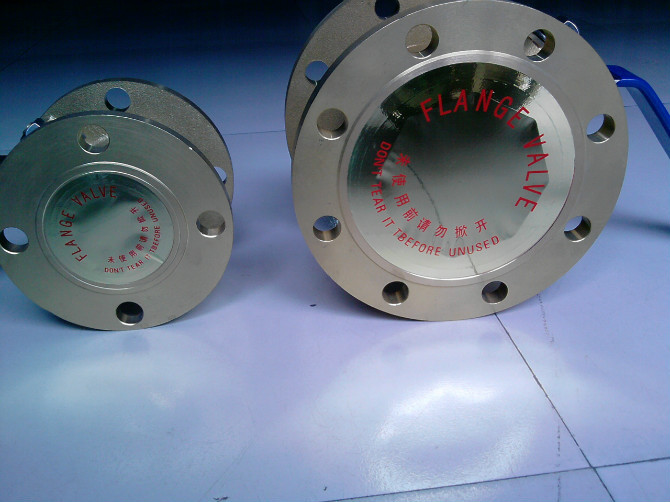 can prevent dust and moisture from entering, protecting internal components; on ships, sealing materials are used for deck joints, hatch covers, and pipe connections to prevent seawater from seeping in.
With the development of technology, new types of sealing materials are constantly emerging, such as nano-sealing materials and self-healing sealing materials,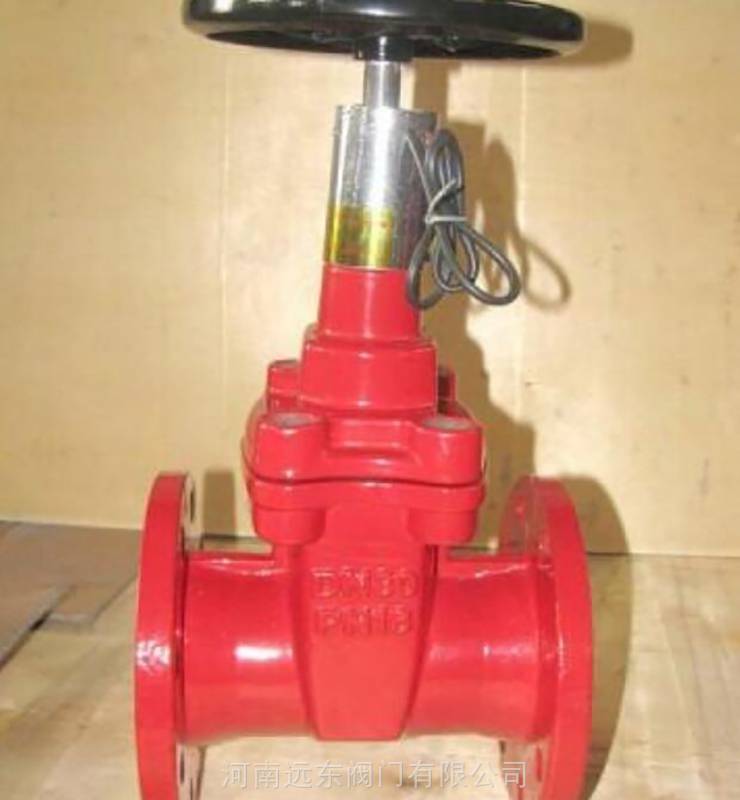 which show great potential in terms of environmental protection, durability, and intelligence. In the future, sealing materials will play a key role in more high-end fields, providing strong support for the progress of industrial technology.
In summary, sealing materials are ubiquitous in modern industrial society and ensure the safe and efficient operation of equipment and structures with their diverse functions. Choosing the appropriate sealing material not only improves product quality but also extends service life and reduces maintenance costs. Therefore, strengthening research and application of sealing materials has important practical significance.
In modern industrial and construction fields, sealing materials play a crucial role. They not only relate to the normal operation of equipment but also directly affect the safety, energy-saving effect, and service life of structures. Sealing materials prevent the leakage of liquids, gases, or solid particles by filling the gaps between two contacting surfaces, thus achieving multiple functions such as sealing, leakage prevention, vibration reduction, and heat insulation.
Sealing materials are widely used in various industries. In construction engineering, sealants are used for joint sealing between windows and walls to prevent the penetration of wind and rain, improving
the thermal insulation performance of buildings. Common building sealing materials include silicone sealant, polyurethane sealant, and acrylic sealant, each with different weather resistance, elasticity, and bonding strength, suitable for different environmental requirements.In the automotive industry, sealing materials are mainly used in engine, door, sunroof, and window parts, playing a role in dust prevention, water resistance, noise reduction, and vibration reduction. For example, the gasket sealing parts
used in car engines can effectively prevent the leakage of engine oil or coolant, ensuring the efficient operation of the engine. In addition, door seals not only improve the sealing performance of the vehicle but also enhance driving comfort.In the aerospace field, due to the extreme working environment, the requirements for sealing materials are more stringent. These materials must have properties
such as high and low temperature resistance, aging resistance, and radiation resistance to ensure the sealing reliability of the flying vehicle under complex environments. Common high-performance sealing materials include fluororubber, silicone rubber, and polytetrafluoroethylene (PTFE).In addition, sealing materials are widely used in fields such as electronic and electrical engineering, shipbuilding, and energy equipment. For example, in electronic equipment, sealing rings
can prevent dust and moisture from entering, protecting internal components; on ships, sealing materials are used for deck joints, hatch covers, and pipe connections to prevent seawater from seeping in.With the development of technology, new types of sealing materials are constantly emerging, such as nano-sealing materials and self-healing sealing materials,
which show great potential in terms of environmental protection, durability, and intelligence. In the future, sealing materials will play a key role in more high-end fields, providing strong support for the progress of industrial technology.In summary, sealing materials are ubiquitous in modern industrial society and ensure the safe and efficient operation of equipment and structures with their diverse functions. Choosing the appropriate sealing material not only improves product quality but also extends service life and reduces maintenance costs. Therefore, strengthening research and application of sealing materials has important practical significance.




TOP
18914229323