
 18914229323

How are intelligent diagnostic valves realized?
1.HardwareIntegration:BuildthePerceptionFoundationThecoreofintelligentdiagnosticvalvesliesin‘perceptioncapability‘.Byintegratingvarioussensors,suchaspressuresensors,temperaturesensors,displacementsen...
Hotline
1. Hardware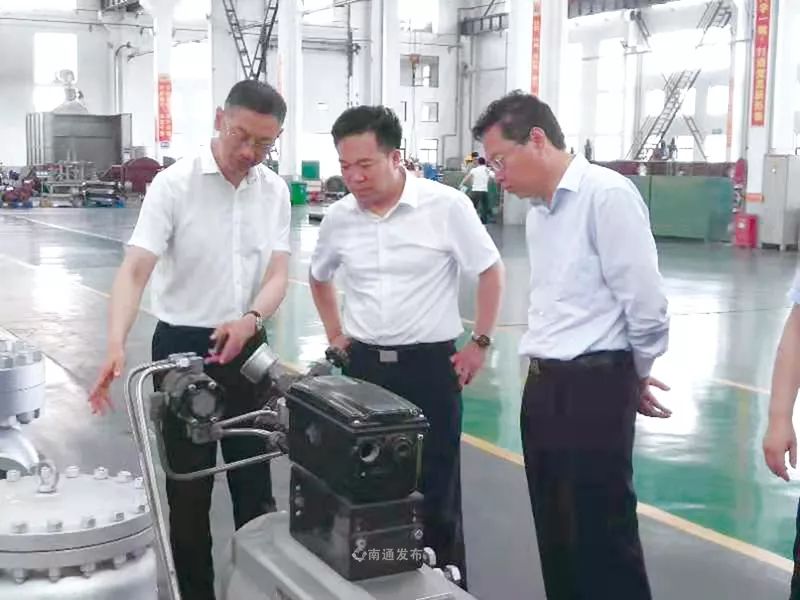 Integration: Build the Perception Foundation
The core of intelligent diagnostic valves lies in 'perception capability'. By integrating various sensors, such as pressure sensors, temperature sensors, displacement sensors, and vibration sensors, on the valve body, key parameters during valve operation can be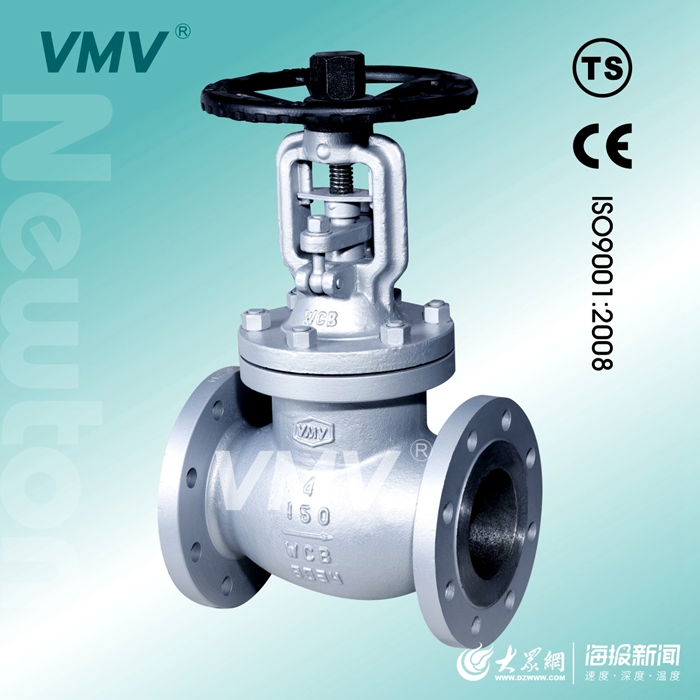 collected in real-time. These sensors can monitor the opening, flow, pressure changes, and mechanical wear of the valve.
In addition, intelligent valves are equipped with microprocessors and communication modules (such as Wi-Fi, Bluetooth, LoRa, or industrial Ethernet) for local data processing and remote transmission. This hardware integration enables the valve to have the basic capabilities of 'perception-processing-communication'.
2. Data Analysis: Realize Intelligent Diagnostic Function
The collected raw data needs to be analyzed and processed through intelligent algorithms to judge the operating status of the valve. Common analysis methods include:
- Trend Analysis: Identify abnormal fluctuations through long-term monitoring of data trends;
- Pattern Recognition: Use machine learning algorithms to identify fault patterns, such as leaks, jams, wear, and so on;
- Threshold Alarm: Set alarm thresholds for key parameters, and automatically trigger an alarm when exceeding the threshold;
- Predictive Maintenance: Based on historical data and real-time status, predict potential equipment failures and schedule maintenance in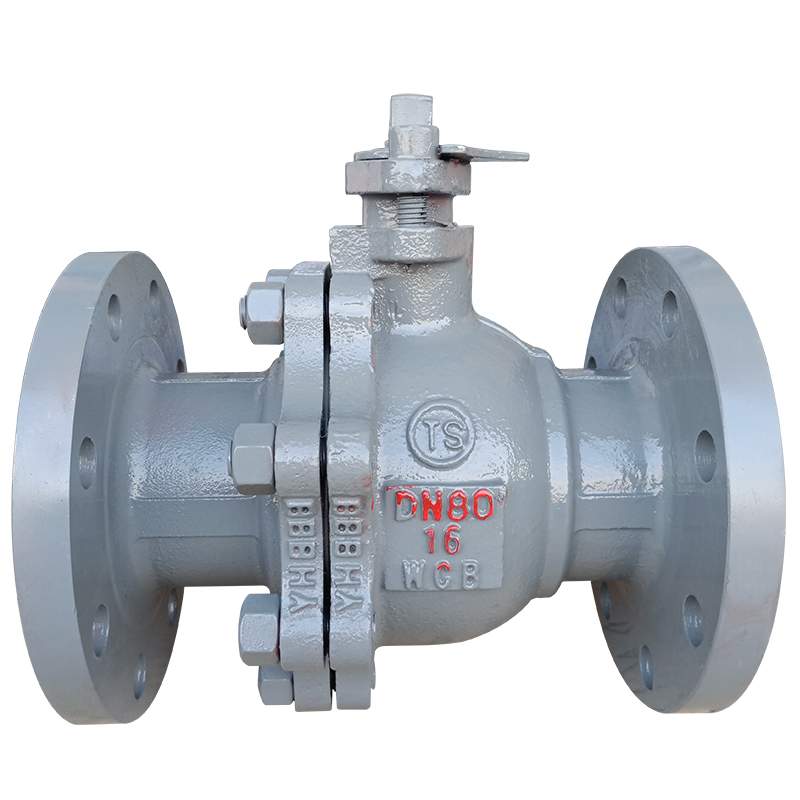 advance.
These analysis results can be visualized through industrial Internet of Things platforms or enterprise management systems, and provide decision support for operators.
3. Software Platform: Build an Intelligent Operation and Maintenance System
Intelligent diagnostic valves are not only the intelligence of a single device but also part of the overall system intelligence. By connecting valves to the industrial Internet of Things (IIoT) platform, enterprises can achieve centralized monitoring, unified management, and remote control of valves.
The software platform usually includes the following modules:
1. Data Collection and Management: Integrate data from different valves;
2. Fault Diagnosis and Early Warning: Provide real-time diagnostic results and alarm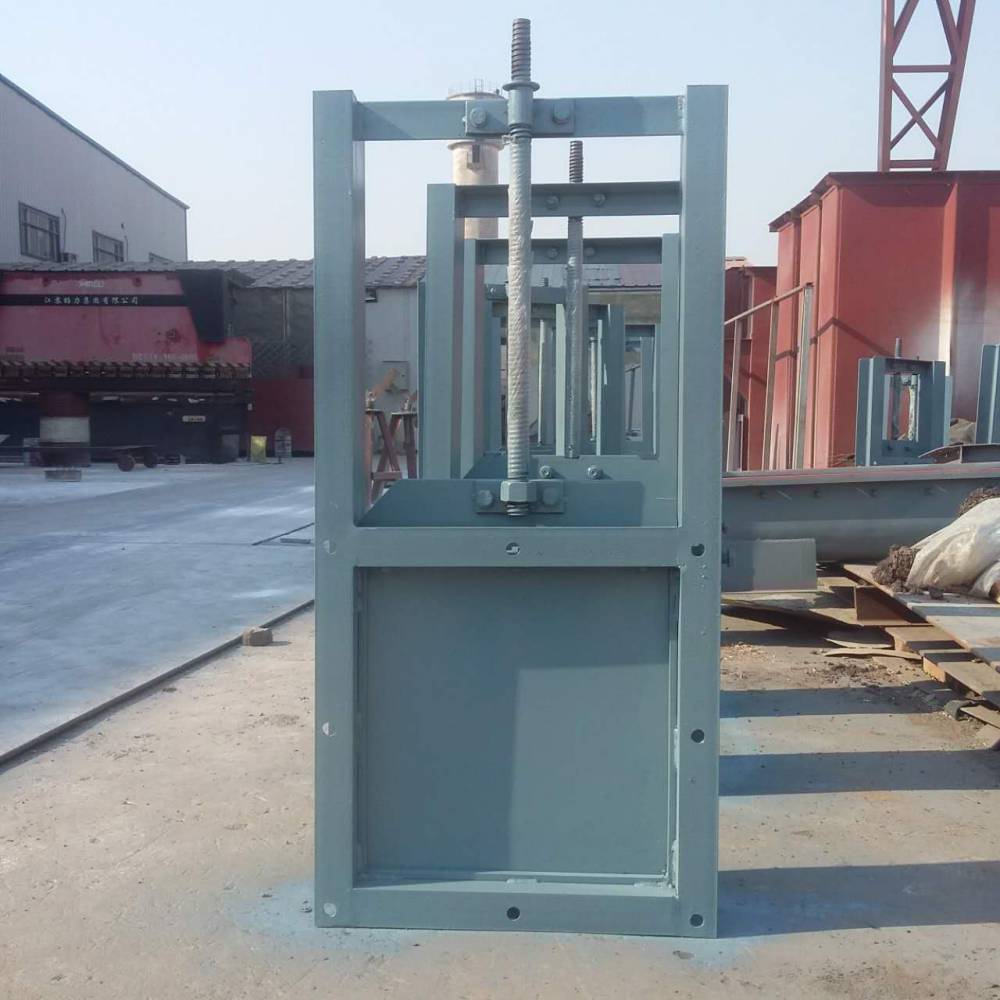 information;
3. Remote Monitoring and Control: Support remote adjustment of valve parameters;
4. Maintenance Management and Decision Support: Provide planning suggestions and optimization solutions for equipment maintenance.
4. Practical Application Value
Intelligent diagnostic valves have a wide range of application prospects in process industries such as oil, chemicals, electricity, and water treatment. They can not only improve the safety and stability of equipment operation but also significantly reduce maintenance costs and downtime, improving overall operational efficiency.
In summary, the implementation of intelligent diagnostic valves is the result of the coordinated action of hardware perception, data analysis, and software platform. In the future, with the further development of technologies such as artificial intelligence, big data, and edge computing, intelligent valves will play an even more important role in the process of industrial automation and intelligence.
1. Hardware
Integration: Build the Perception FoundationThe core of intelligent diagnostic valves lies in 'perception capability'. By integrating various sensors, such as pressure sensors, temperature sensors, displacement sensors, and vibration sensors, on the valve body, key parameters during valve operation can be
collected in real-time. These sensors can monitor the opening, flow, pressure changes, and mechanical wear of the valve.In addition, intelligent valves are equipped with microprocessors and communication modules (such as Wi-Fi, Bluetooth, LoRa, or industrial Ethernet) for local data processing and remote transmission. This hardware integration enables the valve to have the basic capabilities of 'perception-processing-communication'.
2. Data Analysis: Realize Intelligent Diagnostic Function
The collected raw data needs to be analyzed and processed through intelligent algorithms to judge the operating status of the valve. Common analysis methods include:
- Trend Analysis: Identify abnormal fluctuations through long-term monitoring of data trends;
- Pattern Recognition: Use machine learning algorithms to identify fault patterns, such as leaks, jams, wear, and so on;
- Threshold Alarm: Set alarm thresholds for key parameters, and automatically trigger an alarm when exceeding the threshold;
- Predictive Maintenance: Based on historical data and real-time status, predict potential equipment failures and schedule maintenance in
advance.These analysis results can be visualized through industrial Internet of Things platforms or enterprise management systems, and provide decision support for operators.
3. Software Platform: Build an Intelligent Operation and Maintenance System
Intelligent diagnostic valves are not only the intelligence of a single device but also part of the overall system intelligence. By connecting valves to the industrial Internet of Things (IIoT) platform, enterprises can achieve centralized monitoring, unified management, and remote control of valves.
The software platform usually includes the following modules:
1. Data Collection and Management: Integrate data from different valves;
2. Fault Diagnosis and Early Warning: Provide real-time diagnostic results and alarm
information;3. Remote Monitoring and Control: Support remote adjustment of valve parameters;
4. Maintenance Management and Decision Support: Provide planning suggestions and optimization solutions for equipment maintenance.
4. Practical Application Value
Intelligent diagnostic valves have a wide range of application prospects in process industries such as oil, chemicals, electricity, and water treatment. They can not only improve the safety and stability of equipment operation but also significantly reduce maintenance costs and downtime, improving overall operational efficiency.
In summary, the implementation of intelligent diagnostic valves is the result of the coordinated action of hardware perception, data analysis, and software platform. In the future, with the further development of technologies such as artificial intelligence, big data, and edge computing, intelligent valves will play an even more important role in the process of industrial automation and intelligence.




TOP
18914229323