
 18914229323

How to connect the valve ERP system
Inmodernmanufacturingindustry,EnterpriseResourcePlanning(ERP)systemshavebecomeanimportanttoolforachievinginformationintegration,optimizingresourceallocation,andimprovingmanagementefficiency.Valves,as...
Hotline
In modern manufacturing industry, Enterprise Resource Planning (ERP) systems have become an important tool for achieving information integration, optimizing resource allocation, and improving management efficiency. Valves, as key components in the industrial field, their manufacturing enterprises often face problems such as complex orders, difficult inventory management, and long production cycles. Therefore, effectively connecting the valve ERP system with other systems has become a key link in improving enterprise operation efficiency.
One, The significance of valve ERP system integration
The characteristics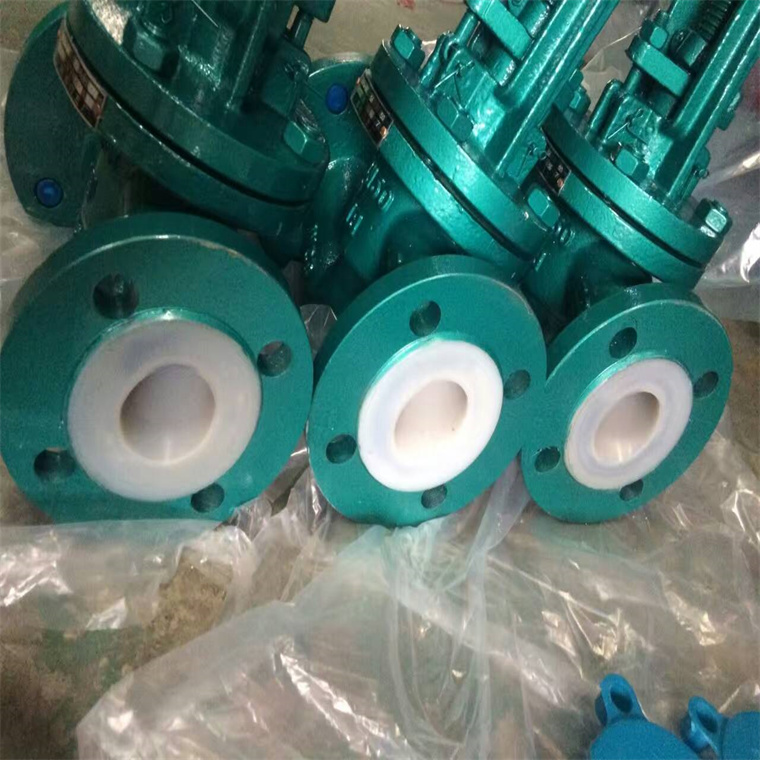 of the valve industry determine that its ERP system needs to exchange data and integrate information with production execution systems (MES), supply chain management systems (SCM), customer relationship management systems (CRM), and automated equipment. Through system integration, the following optimizations can be achieved:
1. Improve data accuracy and real-time: reduce manual input errors to ensure consistency and timely updates of data between systems.
2. Enhance the collaboration of production planning and execution: after ERP is integrated with MES, a closed-loop management from order to production can be realized.
3. Optimize the response speed of the supply chain: connect ERP with supplier systems (such as SRM) to improve procurement efficiency and inventory turnover rate.
4. Support enterprise decision-making analysis: integrate multi-party data to provide comprehensive data support for enterprises.
Two, The main methods of valve ERP system integration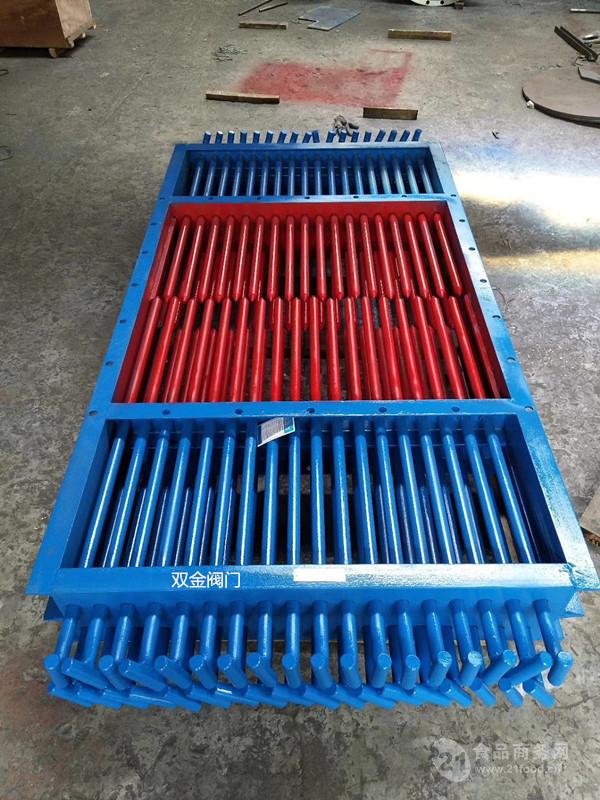
1. Interface development (APIs)
Use standard or customized application programming interfaces (APIs) to achieve data interaction between ERP and other systems. Such as RESTful API, SOAP, etc., which are suitable for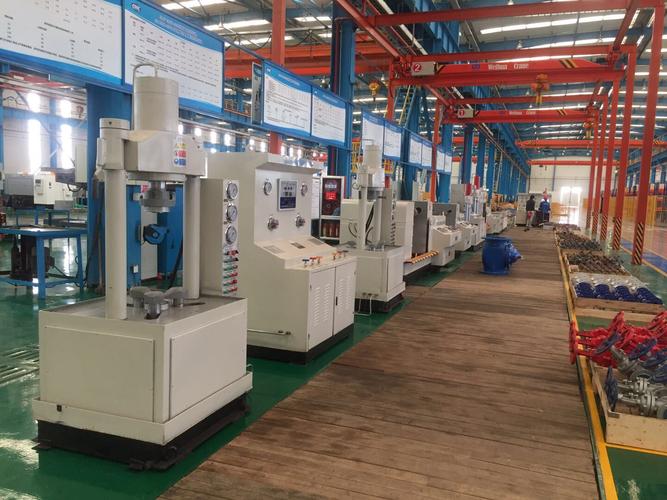 integration between different platforms.
2. Middleware integration platform
Use middleware (such as ESB, SAP PI/PO, MuleSoft, etc.) as a data bridge between systems to achieve efficient communication between heterogeneous systems.
3. Database direct connection
For some old systems or internal systems, data synchronization can be achieved directly through database connection, but attention should be paid to data security and consistency.
4. File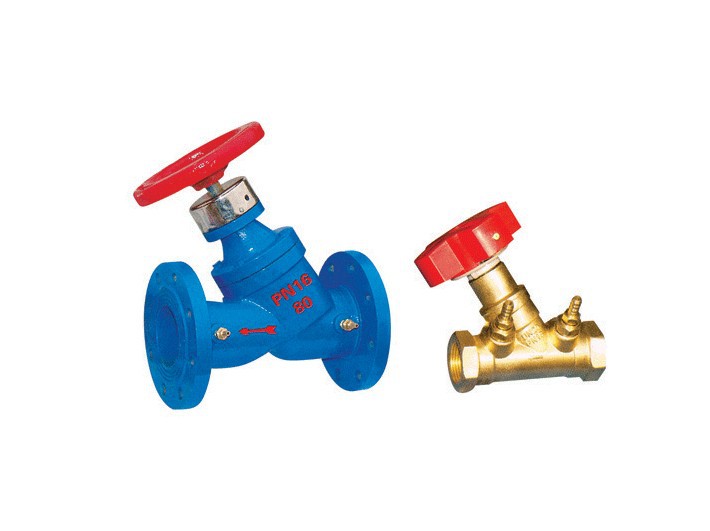 import/export mechanism
Data exchange is carried out through Excel, CSV, and other methods, which is more practical in the initial stage of integration or in simple scenarios, but has a lower degree of automation.
Three, Key points for implementing integration
1. Clarify business processes and data requirements
Before integration, it is necessary to sort out the core business processes of the enterprise, clarify which data needs to be exchanged, and how to map fields.
2. Choose suitable integration tools and technologies
According to the scale of the enterprise and the technical architecture, choose an appropriate integration method to avoid blindly pursuing complex technology.
3. Ensure data security and system stability
During the integration process, it is necessary to set up permission control, log recording, and exception handling mechanisms to ensure the safety of system operation.
4. Parallel推进测试与上线
After the development is completed, comprehensive testing should be conducted to simulate real scenarios and verify the integration effect before gradually going online.
Four, Conclusion
Valve companies can improve internal management efficiency and enhance their ability to respond to external markets through effective integration with ERP systems. In the great trend of intelligent manufacturing and digital transformation, building an efficient, stable, and scalable system integration framework is the only way for every valve company to move towards high-quality development. In the future, with the further integration of technologies such as the Internet of Things and artificial intelligence, the integration of ERP systems will become more intelligent and automated, creating greater value for valve companies.
In modern manufacturing industry, Enterprise Resource Planning (ERP) systems have become an important tool for achieving information integration, optimizing resource allocation, and improving management efficiency. Valves, as key components in the industrial field, their manufacturing enterprises often face problems such as complex orders, difficult inventory management, and long production cycles. Therefore, effectively connecting the valve ERP system with other systems has become a key link in improving enterprise operation efficiency.
One, The significance of valve ERP system integration
The characteristics
of the valve industry determine that its ERP system needs to exchange data and integrate information with production execution systems (MES), supply chain management systems (SCM), customer relationship management systems (CRM), and automated equipment. Through system integration, the following optimizations can be achieved:1. Improve data accuracy and real-time: reduce manual input errors to ensure consistency and timely updates of data between systems.
2. Enhance the collaboration of production planning and execution: after ERP is integrated with MES, a closed-loop management from order to production can be realized.
3. Optimize the response speed of the supply chain: connect ERP with supplier systems (such as SRM) to improve procurement efficiency and inventory turnover rate.
4. Support enterprise decision-making analysis: integrate multi-party data to provide comprehensive data support for enterprises.
Two, The main methods of valve ERP system integration
1. Interface development (APIs)
Use standard or customized application programming interfaces (APIs) to achieve data interaction between ERP and other systems. Such as RESTful API, SOAP, etc., which are suitable for
integration between different platforms.2. Middleware integration platform
Use middleware (such as ESB, SAP PI/PO, MuleSoft, etc.) as a data bridge between systems to achieve efficient communication between heterogeneous systems.
3. Database direct connection
For some old systems or internal systems, data synchronization can be achieved directly through database connection, but attention should be paid to data security and consistency.
4. File
import/export mechanismData exchange is carried out through Excel, CSV, and other methods, which is more practical in the initial stage of integration or in simple scenarios, but has a lower degree of automation.
Three, Key points for implementing integration
1. Clarify business processes and data requirements
Before integration, it is necessary to sort out the core business processes of the enterprise, clarify which data needs to be exchanged, and how to map fields.
2. Choose
suitable integration tools and technologiesAccording to the scale of the enterprise and the technical architecture, choose an appropriate integration method to avoid blindly pursuing complex technology.
3. Ensure data security and system stability
During the integration process, it is necessary to set up permission control, log recording, and exception handling mechanisms to ensure the safety of system operation.
4. Parallel推进测试与上线
After the development is completed, comprehensive testing should be conducted to simulate real scenarios and verify the integration effect before gradually going online.
Four, Conclusion
Valve companies can improve internal management efficiency and enhance their ability to respond to external markets through effective integration with ERP systems. In the great trend of intelligent manufacturing and digital transformation, building an efficient, stable, and scalable system integration framework is the only way for every valve company to move towards high-quality development. In the future, with the further integration of technologies such as the Internet of Things and artificial intelligence, the integration of ERP systems will become more intelligent and automated, creating greater value for valve companies.




TOP
18914229323