
 18914229323

How to prevent salt in ship valves
Shipssailinginmarineenvironmentsarelong-termsubjectedtotheinvasionofhighsaltcontent,highhumidity,andcorrosivegases.Amongthem,valves,asanimportantpartoftheship‘spipelinesystem,playakeyroleincontrollin...
Hotline
Ships sailing in marine environments are long-term subjected to the invasion of high salt content, high humidity, and corrosive gases. Among them, valves, as an important part of the ship's pipeline system, play a key role in controlling medium flow, regulating pressure and temperature. However, due to the presence of seawater salt, valves are prone to corrosion, which in turn affects their sealing performance and service life. Therefore, taking effective anti-salt measures is crucial for ensuring the normal operation of ship valves.
Firstly, choosing appropriate valve materials is the first step in anti-salt protection. Generally speaking, valves used for ships should be selected from materials with good corrosion resistance, such as stainless steel, copper alloys, duplex steel, or high-alloy cast iron. These materials can resist the erosion of salt to a certain extent, extending the service life of the valves. Especially in seawater systems, 316 stainless steel or bronze valves are recommended due to their strong anti-pitting ability in chloride ion environments.
Secondly, surface treatment of valves is also an effective anti-salt measure. Common treatment methods include hot-dip galvanizing, electroplating nickel-chromium, spraying anti-corrosion coatings (such as epoxy resin, polyurethane), etc. Through these treatments, a protective film can be formed on the surface of the valves, isolating salt from direct contact with metal, thereby slowing down the corrosion process. In addition, the emerging nanocoating technology also shows good anti-corrosion performance and is suitable for key parts with high anti-corrosion requirements.
Thirdly, regular maintenance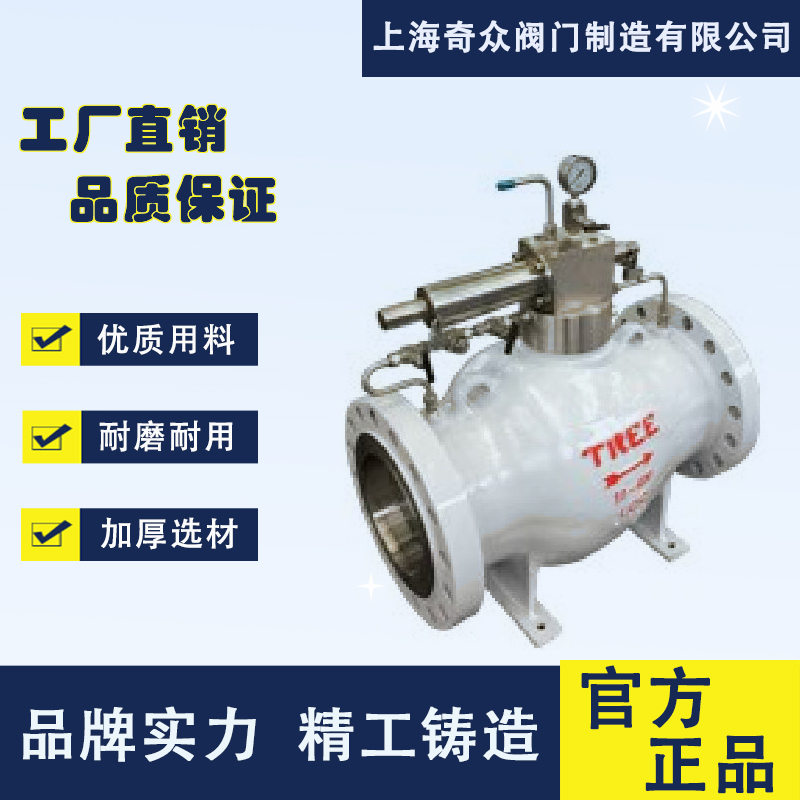 and cleaning are important means to ensure the anti-salt effect of valves. During the ship's voyage, salt in the air is prone to accumulate on the outer surface of the valves, especially in humid environments, where the combination of salt and water vapor accelerates metal corrosion. Therefore,
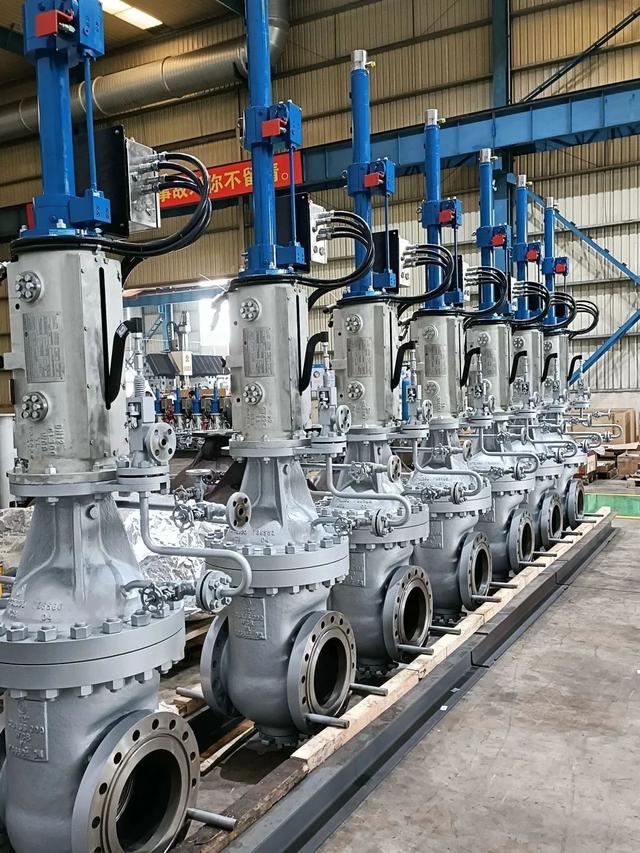 crew members should regularly clean the valves, using freshwater or neutral cleaning agents to remove salt and dirt, and apply anti-rust oil or protective wax in a timely manner to enhance their protective capabilities.
In addition, reasonably designing the installation position of valves can also reduce the impact of salt. During the design stage, it should be avoided to install valves in areas with poor ventilation, prone to water accumulation, or salt mist accumulation. At the same time, adding protective covers or sealing devices around the valves can also effectively block the invasion of salt mist and improve the overall anti-corrosion effect.
In summary, the anti-salt work of ship valves should start from multiple aspects such as material selection, surface treatment, daily maintenance, and structural design, forming a systematic protection strategy. Only in this way can the service life of the valves be effectively prolonged, ensuring the safe and stable operation of the ship's pipeline system, and providing a solid guarantee for the ship's ocean voyage.
Ships sailing in marine environments are long-term subjected to the invasion of high salt content, high humidity, and corrosive gases. Among them, valves, as an important part of the ship's pipeline system, play a key role in controlling medium flow, regulating pressure and temperature. However, due to the presence of seawater salt, valves are prone to corrosion, which in turn affects their sealing performance and service life. Therefore, taking effective anti-salt measures is crucial for ensuring the normal operation of ship valves.
Firstly, choosing appropriate valve materials is the first step in anti-salt protection. Generally speaking, valves used for ships should be selected from materials with good corrosion resistance, such as stainless steel, copper alloys, duplex steel, or high-alloy cast iron. These materials can resist the erosion of salt to a certain extent, extending the service life of the valves. Especially in seawater systems, 316 stainless steel or bronze valves are recommended due to their strong anti-pitting ability in chloride ion environments.
Secondly, surface treatment of valves is also an effective anti-salt measure. Common treatment methods include hot-dip galvanizing, electroplating nickel-chromium, spraying anti-corrosion coatings (such as epoxy resin, polyurethane), etc. Through these treatments, a protective film can be formed on the surface of the valves, isolating salt from direct contact with metal, thereby slowing down the corrosion process. In addition, the emerging nanocoating technology also shows good anti-corrosion performance and is suitable for key parts with high anti-corrosion requirements.
Thirdly, regular maintenance
and cleaning are important means to ensure the anti-salt effect of valves. During the ship's voyage, salt in the air is prone to accumulate on the outer surface of the valves, especially in humid environments, where the combination of salt and water vapor accelerates metal corrosion. Therefore, crew members should regularly clean the valves, using freshwater or neutral cleaning agents to remove salt and dirt, and apply anti-rust oil or protective wax in a timely manner to enhance their protective capabilities.In addition, reasonably designing the installation position of valves can also reduce the impact of salt. During the design stage, it should be avoided to install valves in areas with poor ventilation, prone to water accumulation, or salt mist accumulation. At the same time, adding protective covers or sealing devices around the valves can also effectively block the invasion of salt mist and improve the overall anti-corrosion effect.
In summary, the anti-salt work of ship valves should start from multiple aspects such as material selection, surface treatment, daily maintenance, and structural design, forming a systematic protection strategy. Only in this way can the service life of the valves be effectively prolonged, ensuring the safe and stable operation of the ship's pipeline system, and providing a solid guarantee for the ship's ocean voyage.




TOP
18914229323