
 18914229323
How to anti-corrosion for chemical valves
Intheprocessofchemicalindustryproduction,valves,asanimportantcontrolcomponentofthefluidtransmissionsystem,theiroperatingstabilityandsafetyaredirectlyrelatedtothenormaloperationoftheentireproductionsy...
Hotline
In the process of chemical industry production, valves, as an important control component of the fluid transmission system, their operating stability and safety are directly related to the normal operation of the entire production system. Due to the strong corrosiveness, high temperature and high pressure characteristics of chemical media, the corrosion problem of valves is particularly prominent. How to effectively prevent the corrosion of chemical valves and extend their service life has become a key issue in the maintenance of chemical equipment.
1. Types of valve corrosion
The corrosion of valves is mainly divided into two types: chemical corrosion and electrochemical corrosion. Among them, chemical corrosion is caused by the direct chemical reaction between metal materials and corrosive media in the environment (such as acid, alkali, salt); while electrochemical corrosion is caused by the formation of micro-cells on the metal surface in the presence of electrolytes, which leads to oxidation reactions, such as the rusting phenomenon of iron in a humid environment.
2. Factors affecting valve corrosion
1. Medium characteristics: including the acidity and alkalinity (pH value) of the medium, oxidation-reduction properties, and whether it contains halide ions (such as chloride ions).
2. Temperature and pressure: High temperature and high pressure environments will accelerate the corrosion reaction.
3. Improper material selection: Different metals have different tolerance to corrosion. Improper material selection will accelerate the corrosion rate.
4. Structural design defects: Dead corners and gaps are prone to accumulate corrosive media, leading to aggravated local corrosion.
3. Corrosion measures
1. Rational material selection
The selection of materials with corrosion resistance is crucial according to the nature of the working medium. For example:
- For acidic media, stainless steel (such as 304, 316 stainless steel) and Hastelloy can be selected;
- In strongly corrosive environments, non-metallic materials or lined valves (such as fluoro-lined valves, ceramic valves) can be used;
- In special cases, high-antirust materials such as titanium alloy and zirconium alloy can also be selected.
2. Coating and plating protection
Apply coating treatment to the valve surface (such as epoxy resin, polytetrafluoroethylene), electroplating (such as galvanizing, nickel plating) or thermal spraying to form a protective layer to isolate the corrosive medium.
3. Cathodic protection technology
For metal valves, especially underground or underwater valves, cathodic protection can be carried out by using sacrificial anode method or external current method to inhibit the occurrence of electrochemical corrosion.
4. Optimize the design structure
Avoid dead corners and gaps in the design, reduce the residue of condensate and sediments, and lower the risk of local corrosion; at the same time, adopt structures with good sealing performance to prevent medium leakage.
5. Regular maintenance and inspection
Establish a complete valve maintenance system, regularly check the sealing performance and corrosion degree of the valves, replace damaged parts in time, and prevent sudden failures.
6. Control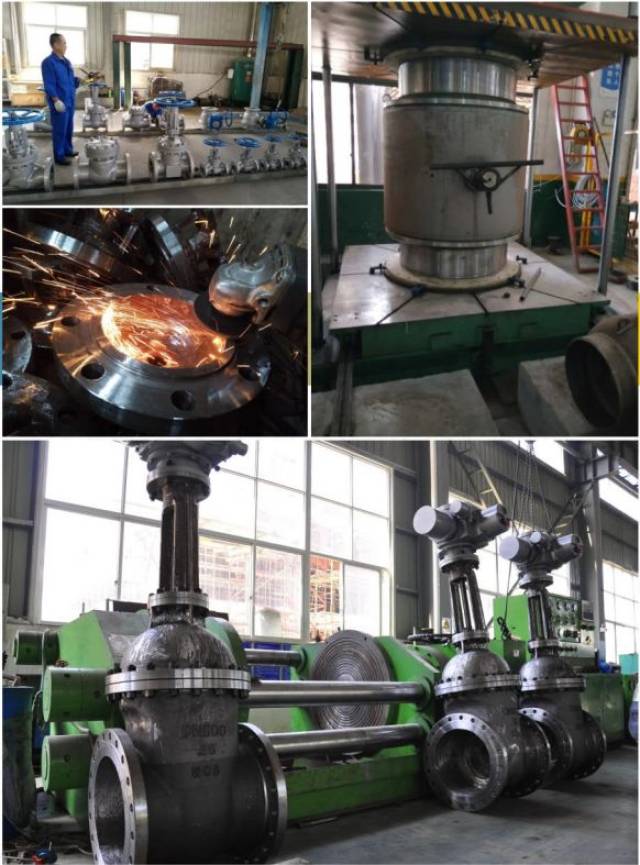 the working environment
By adjusting the pH value of the medium, adding corrosion inhibitors, and other methods, the corrosiveness of the medium can be reduced. Under high temperature and high pressure conditions, effective heat insulation and cooling measures should be taken.
4. Conclusion
In summary, the anti-corrosion work of chemical industry valves is a systematic project, which requires comprehensive consideration from multiple aspects such as material selection, manufacturing technology, usage environment, and maintenance management. Only by adopting scientific and reasonable anti-corrosion measures and continuously optimizing them according to actual working conditions can the service life and safety of valves be effectively improved, ensuring the stable operation of chemical production and equipment safety. In the future,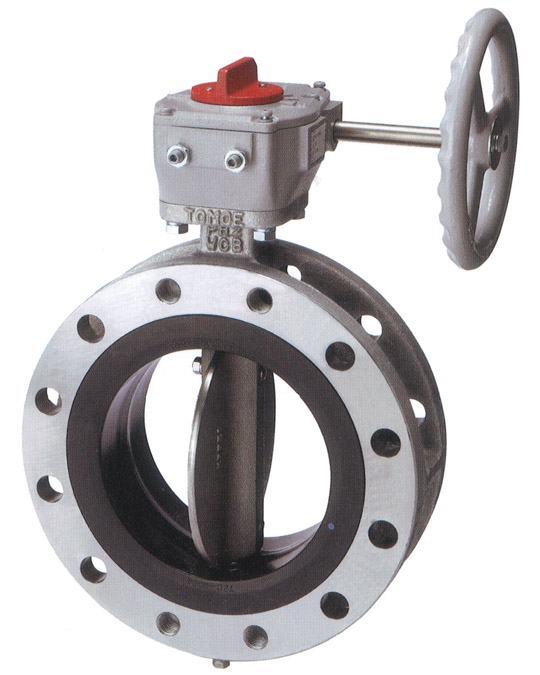 with the development of new materials and new technologies, the anti-corrosion technology of valves will also continue to progress, providing more reliable technical support for the chemical industry.
In the process of chemical industry production, valves, as an important control component of the fluid transmission system, their operating stability and safety are directly related to the normal operation of the entire production system. Due to the strong corrosiveness, high temperature and high pressure characteristics of chemical media, the corrosion problem of valves is particularly prominent. How to effectively prevent the corrosion of chemical valves and extend their service life has become a key issue in the maintenance of chemical equipment.
1. Types of valve corrosion
The corrosion of valves is mainly divided into two types: chemical corrosion and electrochemical corrosion. Among them, chemical corrosion is caused by the direct chemical reaction between metal materials and corrosive media in the environment (such as acid, alkali, salt); while electrochemical corrosion is caused by the formation of micro-cells on the metal surface in the presence of electrolytes, which leads to oxidation reactions, such as the rusting phenomenon of iron in a humid environment.
2. Factors affecting valve corrosion
1. Medium characteristics: including the acidity and alkalinity (pH value) of the medium, oxidation-reduction properties, and whether it contains halide ions (such as chloride ions).
2. Temperature and pressure: High temperature and high pressure environments will accelerate the corrosion reaction.
3. Improper material selection: Different metals have different tolerance to corrosion. Improper material selection will accelerate the corrosion rate.
4. Structural design defects: Dead corners and gaps are prone to accumulate corrosive media, leading to aggravated local corrosion.
3. Corrosion measures
1. Rational material selection
The selection of materials with corrosion resistance is crucial according to the nature of the working medium. For example:
- For acidic media, stainless steel (such as 304, 316 stainless steel) and Hastelloy can be selected;
- In strongly corrosive environments, non-metallic materials or lined valves (such as fluoro-lined valves, ceramic valves) can be used;
- In special cases, high-antirust materials such as titanium alloy and zirconium alloy can also be selected.
2. Coating and plating protection
Apply coating treatment to the valve surface (such as epoxy resin, polytetrafluoroethylene), electroplating (such as galvanizing, nickel plating) or thermal spraying to form a protective layer to isolate the corrosive medium.
3. Cathodic protection technology
For metal valves, especially underground or underwater valves, cathodic protection can be carried out by using sacrificial anode method or external current method to inhibit the occurrence of electrochemical corrosion.
4. Optimize the design structure
Avoid dead corners and gaps in the design, reduce the residue of condensate and sediments, and lower the risk of local corrosion; at the same time, adopt structures with good sealing performance to prevent medium leakage.
5. Regular maintenance and inspection
Establish a complete valve maintenance system, regularly check the sealing performance and corrosion degree of the valves, replace damaged parts in time, and prevent sudden failures.
6. Control
the working environmentBy adjusting the pH value of the medium, adding corrosion inhibitors, and other methods, the corrosiveness of the medium can be reduced. Under high temperature and high pressure conditions, effective heat insulation and cooling measures should be taken.
4. Conclusion
In summary, the anti-corrosion work of chemical industry valves is a systematic project, which requires comprehensive consideration from multiple aspects such as material selection, manufacturing technology, usage environment, and maintenance management. Only by adopting scientific and reasonable anti-corrosion measures and continuously optimizing them according to actual working conditions can the service life and safety of valves be effectively improved, ensuring the stable operation of chemical production and equipment safety. In the future,
with the development of new materials and new technologies, the anti-corrosion technology of valves will also continue to progress, providing more reliable technical support for the chemical industry.




TOP
18914229323