
 18914229323
How to carry out valve stiffness tests
Valves,asanindispensablecontrolelementinindustrialpipelinesystems,haveadirectimpactonthesafetyandstabilityoftheentiresystem.Amongthemanyperformanceindicatorsofvalves,‘stiffness‘isanimportantmechanica...
Hotline
Valves, as an indispensable control element in industrial pipeline systems, have a direct impact on the safety and stability of the entire system. Among the many performance indicators of valves, 'stiffness' is an important mechanical parameter that reflects the ability of the valve to resist deformation under the action of external forces. Therefore, conducting stiffness tests on valves is of great significance for evaluating their structural strength, sealing performance, and service life.
I. Purpose of Valve Stiffness Test
The stiffness test of valves is mainly to measure the degree of deformation of key components such as the valve body, cover, and stem when the valve is subjected to external force. By measuring the deformation amount, it can be judged whether the rigidity of the valve structure meets the design requirements and operating conditions, and then evaluate its reliability and safety in actual working conditions.
II. Test Equipment and Tools
The stiffness test of valves usually requires the following equipment and tools:
1. Universal material testing machine or hydraulic loading system: Used to apply controllable external force;
2. Displacement sensor or micrometer: Used to measure the deformation of the valve body or stem under stress;
3. Strain gauge and strain measurement instrument (optional): Used for precise measurement of local stress and strain;
4. Data acquisition system: Records the force and deformation data during the test process;
5. Clamping fixture: Used to securely install the valve on the testing equipment and prevent eccentric loading.
III. Test Steps
Steps
1. Sample Preparation
Select the valve to be tested and ensure that it is in good condition, clean the internal impurities, and check whether all the connecting parts are tight.
2. Installation of Valve
Fix the valve to the testing machine or loading platform to ensure that the force direction is consistent with the designed stress direction, and avoid unnecessary eccentric loads.
3. Arrangement of Measurement Points
Position displacement sensors or micrometers at key locations such as the valve body, cover, and stem to measure the deformation of each part after stress.
4. Loading and Measurement
Apply pressure or tension step by step in a graded loading manner, maintain for a period of time after each stage of loading, and record the displacement values at each measuring point after deformation stabilization.
5. Data Recording and Analysis
Organize the force and deformation data obtained into a table, and draw the load-deformation curve to analyze the stiffness characteristics of the valve.
6. Unloading and Reset Check
After loading is completed, unload slowly and observe whether all parts of the valve have returned to their original state, and whether there is any permanent deformation or damage.
IV. Matters needing attention
- The loading speed should be controlled during the loading process to avoid impact loads affecting the measurement accuracy;
- The measuring instruments must be calibrated to ensure data accuracy;
- The test environment should be kept stable to avoid interference from external factors such as temperature and humidity;
- For high-pressure valves, safety protection measures should be taken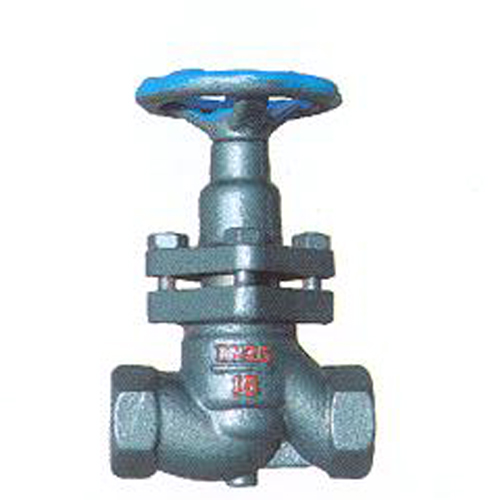 during the test to prevent accidents.
V. Conclusion
The stiffness test of valves is an important means to evaluate their structural performance. Through scientific and standardized test methods, the deformation of valves under stress can be accurately grasped, providing a strong guarantee for the optimization design, quality control, and safe operation of products. With the development of industrial technology, automated and intelligent testing systems will gradually be applied to the detection of valve stiffness, improving the efficiency and reliability of the test.
In summary, the stiffness test of valves is not only a highly technical task, but also a key link in ensuring the quality of valve products and the safe operation of the system. In practical applications, a reasonable test plan should be formulated according to the type of valve, working conditions, and standard requirements to ensure the accuracy and practicality of the test results.
Valves, as an indispensable control element in industrial pipeline systems, have a direct impact on the safety and stability of the entire system. Among the many performance indicators of valves, 'stiffness' is an important mechanical parameter that reflects the ability of the valve to resist deformation under the action of external forces. Therefore, conducting stiffness tests on valves is of great significance for evaluating their structural strength, sealing performance, and service life.
I. Purpose of Valve Stiffness Test
The stiffness test of valves is mainly to measure the degree of deformation of key components such as the valve body, cover, and stem when the valve is subjected to external force. By measuring the deformation amount, it can be judged whether the rigidity of the valve structure meets the design requirements and operating conditions, and then evaluate its reliability and safety in actual working conditions.
II. Test Equipment and Tools
The stiffness test of valves usually requires the following equipment and tools:
1. Universal material testing machine or hydraulic loading system: Used to apply controllable external force;
2. Displacement sensor or micrometer: Used to measure the deformation of the valve body or stem under stress;
3. Strain gauge and strain measurement instrument (optional): Used for precise measurement of local stress and strain;
4. Data acquisition system: Records the force and deformation data during the test process;
5. Clamping fixture: Used to securely install the valve on the testing equipment and prevent eccentric
loading.III. Test
Steps1. Sample Preparation
Select the valve to be tested and ensure that it is in good condition, clean the internal impurities, and check whether all the connecting parts are tight.
2. Installation of Valve
Fix the valve to the testing machine or loading platform to ensure that the force direction is consistent with the designed stress direction, and avoid unnecessary eccentric loads.
3. Arrangement of Measurement Points
Position displacement sensors or micrometers at key locations such as the valve body, cover, and stem to measure the deformation of each part after stress.
4. Loading and Measurement
Apply pressure or tension step by step in a graded loading manner, maintain for a period of time after each stage of loading, and record the displacement values at each measuring point after deformation stabilization.
5. Data Recording and Analysis
Organize the force and deformation data obtained into a table, and draw the load-deformation curve to analyze the stiffness characteristics of the valve.
6. Unloading and Reset Check
After loading is completed, unload slowly and observe whether all parts of the valve have returned to their original state, and whether there is any permanent deformation or damage.
IV. Matters needing attention
- The loading speed should be controlled during the loading process to avoid impact loads affecting the measurement accuracy;
- The measuring instruments must be calibrated to ensure data accuracy;
- The test environment should be kept stable to avoid interference from external factors such as temperature and humidity;
- For high-pressure valves, safety protection measures should be taken
during the test to prevent accidents.V. Conclusion
The stiffness test of valves is an important means to evaluate their structural performance. Through scientific and standardized test methods, the deformation of valves under stress can be accurately grasped, providing a strong guarantee for the optimization design, quality control, and safe operation of products. With the development of industrial technology, automated and intelligent testing systems will gradually be applied to the detection of valve stiffness, improving the efficiency and reliability of the test.
In summary, the stiffness test of valves is not only a highly technical task, but also a key link in ensuring the quality of valve products and the safe operation of the system. In practical applications, a reasonable test plan should be formulated according to the type of valve, working conditions, and standard requirements to ensure the accuracy and practicality of the test results.




TOP
18914229323