
 18914229323

How to adjust the level control valve
One,TheBasicWorkingPrincipleofLevelControlValvesLevelcontrolvalvesareusuallycomposedofthreeparts:levelsensors,actuators,andvalvebodies.Thelevelsensormonitorstheheightoftheliquidlevelinthecontainerinr...
Hotline
One, The Basic Working Principle of Level Control Valves
Level control valves are usually composed of three parts: level sensors, actuators, and valve bodies. The level sensor monitors the height of the liquid level in the container in real time. When the level reaches the set value, the sensor transmits the signal to the actuator (such as an electric or pneumatic actuator), and the actuator drives the valve to open or close the corresponding opening, thereby controlling the inflow or outflow of the liquid.
Common level control methods include: upper limit control (close the water inlet valve when the level is too high), lower limit control (close the drainage valve when the level is too low), and dual control (control both water inlet and drainage) and so on. According to different process requirements, various types of level detection devices such as float ball type, electrode type, ultrasonic type, and radar type can be selected.
Two, The Main Adjustment Methods of Level Control Valves
1. Setting the upper and lower limits of the level
When adjusting the level control valve, it is first necessary to set the upper and lower limit values of the level according to the actual process requirements. For example, in a water supply system, if the set value is too low, it may cause the pump to start frequently, increasing energy consumption; if it is too high, it may cause overflow risk. Therefore, reasonable setting of level thresholds is the key to ensuring stable operation of the system.
2. Adjusting the sensitivity of the actuator
The response sensitivity of the actuator determines the response speed of the valve to level changes. Overly high sensitivity may lead to frequent opening and closing, affecting the service life of the equipment; low sensitivity may lead to excessive level fluctuations. Appropriate adjustments should be made according to the system characteristics to ensure that the valve can respond in a timely manner after the level changes, while avoiding unnecessary frequent actions.
3. Adjusting the valve opening and flow matching
In actual operation, it is also necessary to adjust the opening of the valve according to factors such as the flow rate of the liquid, pressure, and the volume of the container to ensure that it matches the flow characteristics of the system. Through gradual debugging, observe the trend of level change, and finally find the best valve position to achieve stable control.
4. Regular maintenance and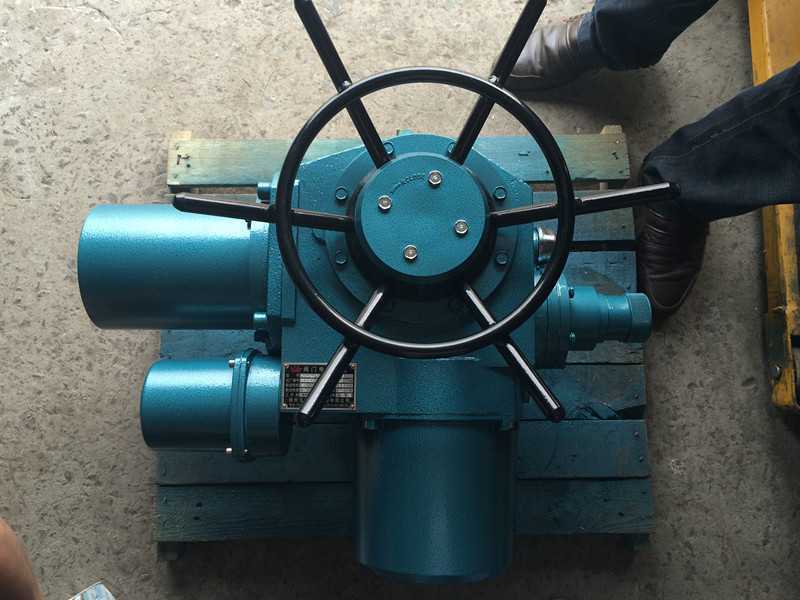 calibration
During the long-term use of level control valves, control deviation may occur due to dirt blockage, sensor aging, or wear of the actuator. In order to ensure adjustment accuracy, it is necessary to clean, inspect, and calibrate the valve system regularly to ensure that all components are working normally.
Three, Common Problems and Countermeasures
- The level fluctuates greatly: it may be due to the incorrect installation position of the sensor or signal interference, and the sensor should be recalibrated or the installation position should be adjusted.
- The valve response is slow: check whether the actuator is stuck and whether the power source is normal, and lubricate or replace parts if necessary.
- The level cannot reach the set value: it may be due to the valve not being closed tightly or system leakage, and it is necessary to check and repair the tightness of the valve seal and pipeline connection in time.
Four, Conclusion
With the continuous improvement of industrial automation levels, level control valves play an increasingly important role in various level control systems. Mastering their adjustment principles and methods is not only helpful for improving the stability and efficiency of system operation, but also can effectively prevent and reduce the occurrence of safety accidents. Through scientific setting, reasonable debugging, and regular maintenance, the level automatic control system can always be in the best working state, safeguarding the production of enterprises.
One, The Basic Working Principle of Level Control Valves
Level control valves are usually composed of three parts: level sensors, actuators, and valve bodies. The level sensor monitors the height of the liquid level in the container in real time. When the level reaches the set value, the sensor transmits the signal to the actuator (such as an electric or pneumatic actuator), and the actuator drives the valve to open or close the corresponding opening, thereby controlling the inflow or outflow of the liquid.
Common level control methods include: upper limit control (close the water inlet valve when the level is too high), lower limit control (close the drainage valve when the level is too low), and dual control (control both water inlet and drainage) and so on. According to different process requirements, various types of level detection devices such as float ball type, electrode type, ultrasonic type, and radar type can be selected.
Two, The Main Adjustment Methods of Level Control Valves
1. Setting the upper and lower limits of the level
When adjusting the level control valve, it is first necessary to set the upper and lower limit values of the level according to the actual process requirements. For example, in a water supply system, if the set value is too low, it may cause the pump to start frequently, increasing energy consumption; if it is too high, it may cause overflow risk. Therefore, reasonable setting of level thresholds is the key to ensuring stable operation of the system.
2. Adjusting the sensitivity of the actuator
The response sensitivity of the actuator determines the response speed of the valve to level changes. Overly high sensitivity may lead to frequent opening and closing, affecting the service life of the equipment; low sensitivity may lead to excessive level fluctuations. Appropriate adjustments should be made according to the system characteristics to ensure that the valve can respond in a timely manner after the level changes, while avoiding unnecessary frequent actions.
3. Adjusting the valve opening and flow matching
In actual operation, it is also necessary to adjust the opening of the valve according to factors such as the flow rate of the liquid, pressure, and the volume of the container to ensure that it matches the flow characteristics of the system. Through gradual debugging, observe the trend of level change, and finally find the best valve position to achieve stable control.
4. Regular maintenance and
calibrationDuring the long-term use of level control valves, control deviation may occur due to dirt blockage, sensor aging, or wear of the actuator. In order to ensure adjustment accuracy, it is necessary to clean, inspect, and calibrate the valve system regularly to ensure that all components are working normally.
Three, Common Problems and Countermeasures
- The level fluctuates greatly: it may be due to the incorrect installation position of the sensor or signal interference, and the sensor should be recalibrated or the installation position should be adjusted.
- The valve response is slow: check whether the actuator is stuck and whether the power source is normal, and lubricate or replace parts if necessary.
- The level cannot reach the set value: it may be due to the valve not being closed tightly or system leakage, and it is necessary to check and repair the tightness of the valve seal and pipeline connection in time.
Four, Conclusion
With the continuous improvement of industrial automation levels, level control valves play an increasingly important role in various level control systems. Mastering their adjustment principles and methods is not only helpful for improving the stability and efficiency of system operation, but also can effectively prevent and reduce the occurrence of safety accidents. Through scientific setting, reasonable debugging, and regular maintenance, the level automatic control system can always be in the best working state, safeguarding the production of enterprises.




TOP
18914229323