
 18914229323
How to implement valve fluid simulation
First,thesignificanceofvalvefluidsimulationThefluidcharacteristicsofthevalvedirectlyaffecttheoverallperformanceofthesystem.Throughfluidsimulation,engineerscanintuitivelyobservethedistributionofparame...
Hotline
First, the significance of valve fluid simulation
The fluid characteristics of the valve directly affect the overall performance of the system. Through fluid simulation, engineers can intuitively observe the distribution of parameters such as pressure, velocity, and temperature in the internal flow field of the valve, helping to identify adverse phenomena such as vortices, recirculation, and cavitation in the passage, thereby optimizing the valve structure, improving the flow coefficient (Cv/Kv value), reducing energy consumption, and extending service life. In addition, simulation can also reduce the number of physical prototypes, shorten the development cycle, and lower development costs.
Second, the implementation steps of valve fluid simulation
1. Geometric Modeling
Before simulation, it is necessary to establish an accurate three-dimensional geometric model of the valve. CAD software (such as SolidWorks, CATIA, Pro/E, etc.) can be used to complete the modeling of the valve body, passage, and inlets and outlets. For complex structures (such as ball valves, butterfly valves, and regulating valves), it is recommended to use parametric modeling for easy optimization and adjustment later.
2. Meshing
Mesh quality directly affects the accuracy of simulation results. Professional tools such as ANSYS Meshing and ICEM CFD are usually used to mesh the model. For regions with intense changes in the internal flow channel of the valve (such as near the valve disc), local densification should be performed to improve calculation accuracy.
3. Setting Boundary Conditions
Setting reasonable boundary conditions is a key link in simulation. Common boundary conditions include inlet velocity or pressure, outlet pressure or flow, and no-slip wall conditions, etc. Select appropriate combinations of boundary conditions according to actual working conditions to ensure that the simulation results are consistent with the real situation.
4. Selection of Solver and Physical Model
Common CFD software includes ANSYS Fluent, COMSOL Multiphysics, OpenFOAM, etc. According to factors such as fluid type (gas or liquid), compressibility, and phase change, select the appropriate turbulence model (such as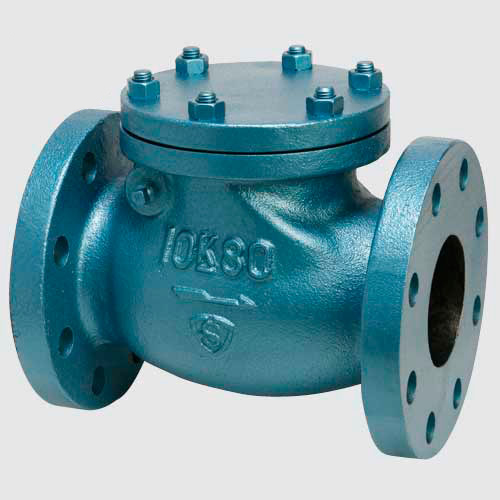 k-ε, k-ω, SST, etc.) and multiphase flow model (such as VOF, Eulerian, etc.).
5. Solution and Post-processing
During the solution process, residual changes need to be monitored to judge whether the calculation has converged. After convergence, use post-processing tools to view results such as velocity vector diagrams, pressure cloud diagrams, and streamline diagrams, analyze the internal flow state of the valve, and extract key parameters such as pressure drop, flow coefficient, and resistance coefficient.
6. Verification and Optimization
Compare the simulation results with experimental data to verify the accuracy of the model. If there are deviations, adjust the mesh density, model parameters, or boundary conditions, and recalculate. After verification, further optimization of valve design can be based on the simulation results, such as adjusting the shape of the flow channel, optimizing the valve disc structure, etc.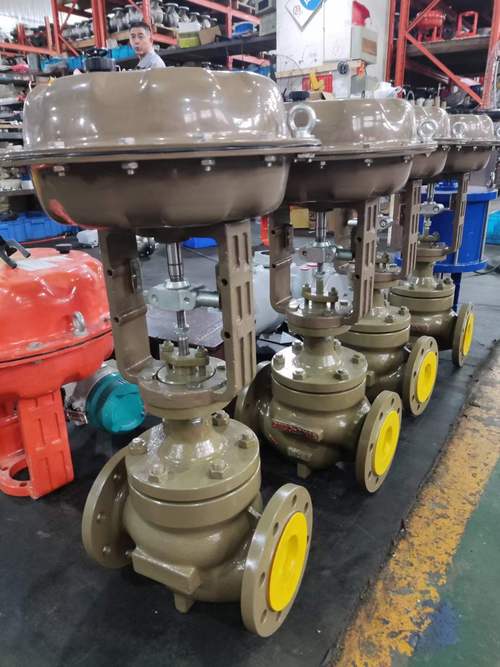
Three, Application Cases and Development Trends
In actual engineering applications, valve fluid simulation has been widely used in fields such as oil, chemical industry, electricity, and water treatment. For example, in the design of regulating valves, simulation can effectively control fluid noise and cavitation phenomena; during the opening process of butterfly valves, simulation can optimize the opening and closing angles to reduce flow resistance.
In the future, with the integration of artificial intelligence and big data, valve fluid simulation will develop towards automation and intelligence. For example, by training a large amount of simulation data with machine learning algorithms, it is possible to quickly predict the flow characteristics inside valves under different structural parameters, and achieve efficient optimization design.
Four, Conclusion
In summary, valve fluid simulation is an important means to improve the level of valve design and optimize the performance of fluid control systems. With the help of CFD technology, not only can complex flow phenomena inside valves be deeply understood, but also the efficiency of research and development and product quality can be significantly improved. As computer performance continues to improve and simulation methods continue to advance, valve fluid simulation will play an even more critical role in industrial applications.
First, the significance of valve fluid simulation
The fluid characteristics of the valve directly affect the overall performance of the system. Through fluid simulation, engineers can intuitively observe the distribution of parameters such as pressure, velocity, and temperature in the internal flow field of the valve, helping to identify adverse phenomena such as vortices, recirculation, and cavitation in the passage, thereby optimizing the valve structure, improving the flow coefficient (Cv/Kv value), reducing energy consumption, and extending service life. In addition, simulation can also reduce the number of physical prototypes, shorten the development cycle, and lower development costs.
Second, the implementation steps of valve fluid simulation
1. Geometric Modeling
Before simulation, it is necessary to establish an accurate three-dimensional geometric model of the valve. CAD software (such as SolidWorks, CATIA, Pro/E, etc.) can be used to complete the modeling of the valve body, passage, and inlets and outlets. For complex structures (such as ball valves, butterfly valves, and regulating valves), it is recommended to use parametric modeling for easy optimization and adjustment later.
2. Meshing
Mesh quality directly affects the accuracy of simulation results. Professional tools such as ANSYS Meshing and ICEM CFD are usually used to mesh the model. For regions with intense changes in the internal flow channel of the valve (such as near the valve disc), local densification should be performed to improve calculation accuracy.
3. Setting Boundary Conditions
Setting reasonable boundary conditions is a key link in simulation. Common boundary conditions include inlet velocity or pressure, outlet pressure or flow, and no-slip wall conditions, etc. Select appropriate combinations of boundary conditions according to actual working conditions to ensure that the simulation results are consistent with the real situation.
4. Selection of Solver and Physical Model
Common CFD software includes ANSYS Fluent, COMSOL Multiphysics, OpenFOAM, etc. According to factors such as fluid type (gas or liquid), compressibility, and phase change, select the appropriate turbulence model (such as
k-ε, k-ω, SST, etc.) and multiphase flow model (such as VOF, Eulerian, etc.).5. Solution and Post-processing
During the solution process, residual changes need to be monitored to judge whether the calculation has converged. After convergence, use post-processing tools to view results such as velocity vector diagrams, pressure cloud diagrams, and streamline diagrams, analyze the internal flow state of the valve, and extract key parameters such as pressure drop, flow coefficient, and resistance coefficient.
6. Verification and Optimization
Compare the simulation results with experimental data to verify the accuracy of the model. If there are deviations, adjust the mesh density, model parameters, or boundary conditions, and recalculate. After verification, further optimization of valve design can be based on the simulation results, such as adjusting the shape of the flow channel, optimizing
the valve disc structure, etc.Three, Application Cases and Development Trends
In actual engineering applications, valve fluid simulation has been widely used in fields such as oil, chemical industry, electricity, and water treatment. For example, in the design of regulating valves, simulation can effectively control fluid noise and cavitation phenomena; during the opening process of butterfly valves, simulation can optimize the opening and closing angles to reduce flow resistance.
In the future, with the integration of artificial intelligence and big data, valve fluid simulation will develop towards automation and intelligence. For example, by training a large amount of simulation data with machine learning algorithms, it is possible to quickly predict the flow characteristics inside valves under different structural parameters, and achieve efficient optimization design.
Four, Conclusion
In summary, valve fluid simulation is an important means to improve the level of valve design and optimize the performance of fluid control systems. With the help of CFD technology, not only can complex flow phenomena inside valves be deeply understood, but also the efficiency of research and development and product quality can be significantly improved. As computer performance continues to improve and simulation methods continue to advance, valve fluid simulation will play an even more critical role in industrial applications.




TOP
18914229323