
 18914229323
How to prevent leakage in liquid valves
1.Mainreasonsforleakageofliquidvalves1.SealingsurfacewearoragingThesealingsurfaceofthevalveisakeyparttopreventliquidleakage.Afterlong-termuse,thesealingmaterialmaywearorageduetofriction,corrosion,orh...
Hotline
1. Main reasons for leakage of liquid valves
1. Sealing surface wear or aging
The sealing surface of the valve is a key part to prevent liquid leakage. After long-term use, the sealing material may wear or age due to friction, corrosion, or high temperature, leading to a decrease in sealing performance.
If the installation process does not follow the specifications, such as loose connections, misaligned flanges, or unevenly tightened bolts, gaps may occur between the valve and pipeline, causing leakage.
2. Incorrect installation
3. Strong corrosion of the medium
If the liquid transported has strong corrosiveness (such as acid and alkali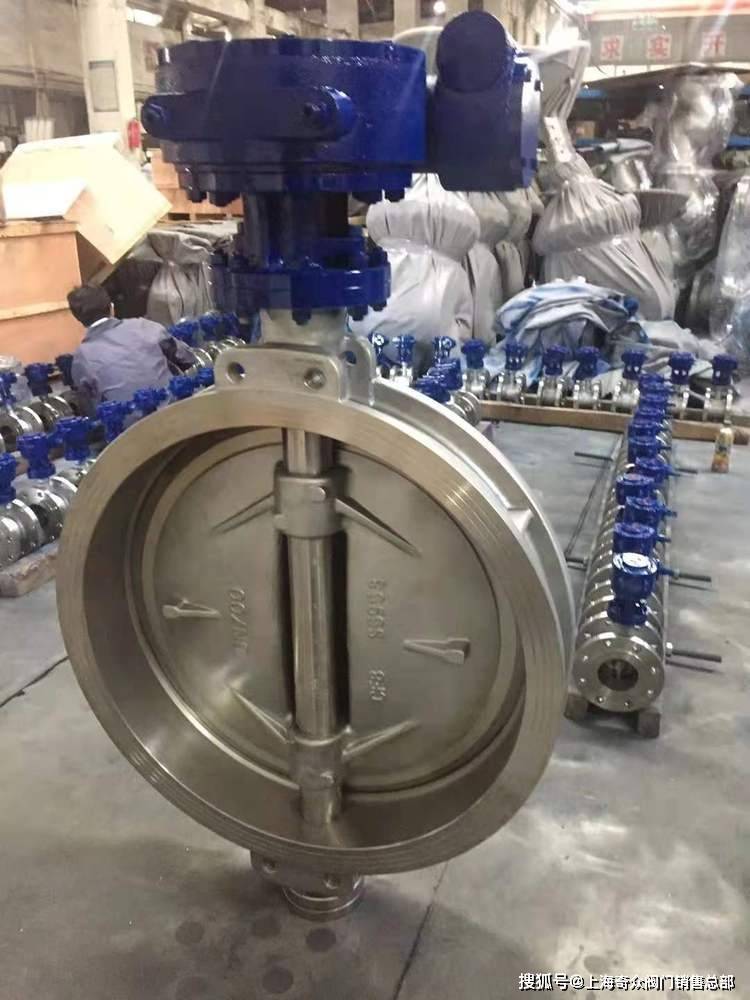 solutions), long-term contact will corrode the valve body and sealing materials, reducing their pressure and sealing capacity.
4. Improper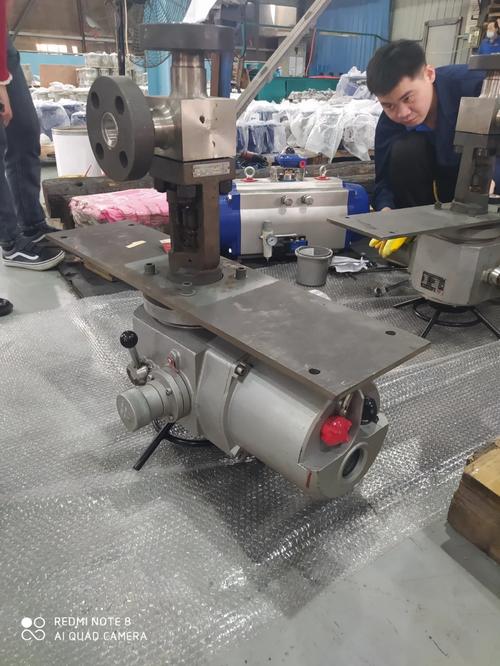 operation
If the operation is too violent during the opening and closing process of the valve, it may cause impact damage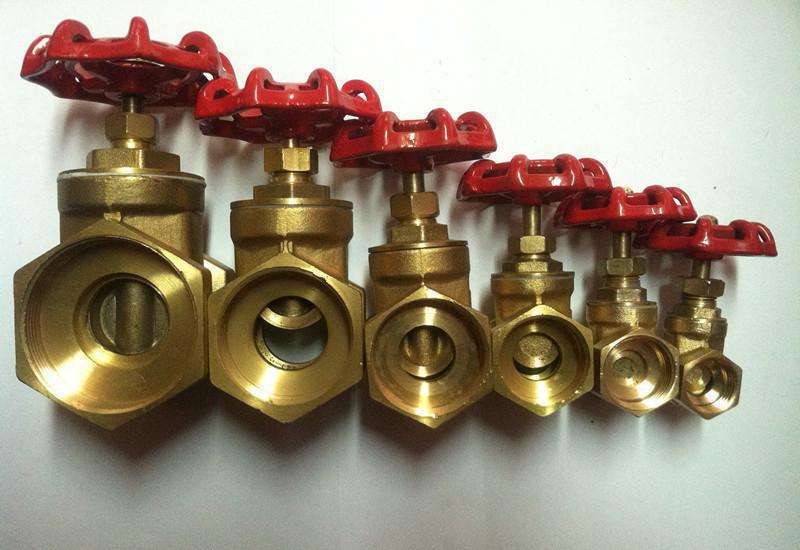 between the valve core and seat, which in turn affects the sealing performance.
5. Design or manufacturing defects
Some inferior valves may have inherent defects in their sealing structures due to unreasonable design or substandard manufacturing processes, making them prone to leakage during use.
---
Effective measures for preventing leakage of liquid valves
1. Choose high-quality valves
When purchasing valves, priority should be given to products with reliable quality and good brand reputation to ensure that their materials, sealing structures, and pressure ratings meet the requirements. For special media (such as strong acids and alkalis), corrosion-resistant valves should be selected.
2. Install and maintain correctly
When installing valves, operations should be carried out strictly in accordance with technical specifications to ensure that the connection surface is clean, flanges are centered, and bolts are uniformly tightened; regular inspections and maintenance of valves should be carried out to replace worn sealing parts or other damaged components in time.
3. Strengthen daily inspections
Establish a regular inspection system, and timely detect whether there is any leakage phenomenon in valves through visual inspection, pressure testing, and other methods, and achieve early detection and early treatment.
4. Operate valves reasonably
When opening or closing valves, they should be done slowly and smoothly to avoid violent impacts and reduce the possibility of damage to the sealing surface. Operators should receive professional training and master the correct operation methods.
5. Use auxiliary sealing materials
In some cases, auxiliary sealing materials such as sealant and gaskets can be used in conjunction to improve the overall sealing effect. However, attention should be paid to the compatibility of materials to avoid failure of sealing due to chemical reactions.
6. Transform or upgrade old systems
For valve systems with long service time and frequent leakage, it is necessary to carry out timely transformation or replacement with new high-efficiency valves to improve the overall safety and stability of the system.
More Servo Valve Information
1. Main reasons for leakage of liquid valves
1. Sealing surface wear or aging
The sealing surface of the valve is a key part to prevent liquid leakage. After long-term use, the sealing material may wear or age due to friction, corrosion, or high temperature, leading to a decrease in sealing performance.
If the installation process does not follow the specifications, such as loose connections, misaligned flanges, or unevenly tightened bolts, gaps may occur between the valve and pipeline, causing leakage.
2. Incorrect installation
3. Strong corrosion of the medium
If the liquid transported has strong corrosiveness (such as acid and alkali
solutions), long-term contact will corrode the valve body and sealing materials, reducing their pressure and sealing capacity.4. Improper
operationIf the operation is too violent during the opening and closing process of the valve, it may cause impact damage
between the valve core and seat, which in turn affects the sealing performance.5. Design or manufacturing defects
Some inferior valves may have inherent defects in their sealing structures due to unreasonable design or substandard manufacturing processes, making them prone to leakage during use.
---
Effective measures for preventing leakage of liquid valves
1. Choose high-quality valves
When purchasing valves, priority should be given to products with reliable quality and good brand reputation to ensure that their materials, sealing structures, and pressure ratings meet the requirements. For special media (such as strong acids and alkalis), corrosion-resistant valves should be selected.
2. Install and maintain correctly
When installing valves, operations should be carried out strictly in accordance with technical specifications to ensure that the connection surface is clean, flanges are centered, and bolts are uniformly tightened; regular inspections and maintenance of valves should be carried out to replace worn sealing parts or other damaged components in time.
3. Strengthen daily inspections
Establish a regular inspection system, and timely detect whether there is any leakage phenomenon in valves through visual inspection, pressure testing, and other methods, and achieve early detection and early treatment.
4. Operate valves reasonably
When opening or closing valves, they should be done slowly and smoothly to avoid violent impacts and reduce the possibility of damage to the sealing surface. Operators should receive professional training and master the correct operation methods.
5. Use auxiliary sealing materials
In some cases, auxiliary sealing materials such as sealant and gaskets can be used in conjunction to improve the overall sealing effect. However, attention should be paid to the compatibility of materials to avoid failure of sealing due to chemical reactions.
6. Transform or upgrade old systems
For valve systems with long service time and frequent leakage, it is necessary to carry out timely transformation or replacement with new high-efficiency valves to improve the overall safety and stability of the system.
More Servo Valve Information




TOP
18914229323