
 18914229323

How Do Self-learning Valves Achieve Their Functionality?
1.BasicConceptofSelf-learningValvesSelf-learningvalvesareintelligentcontrolvalvesthatcanautomaticallyadjusttheopening,pressure,orflowratebasedontheoperatingstatusofthesystem.Unliketraditionalvalves,t...
Hotline
1. Basic Concept of Self-learning Valves
Self-learning valves are intelligent control valves that can automatically adjust the opening, pressure, or flow rate based on the operating status of the system. Unlike traditional valves, they not only have the ability to execute control commands but also collect field data through sensors, utilize built-in algorithms for analysis and decision-making, and thus automatically optimize operating strategies under different working conditions to achieve the purposes of energy saving, efficiency, and stability.
2. Key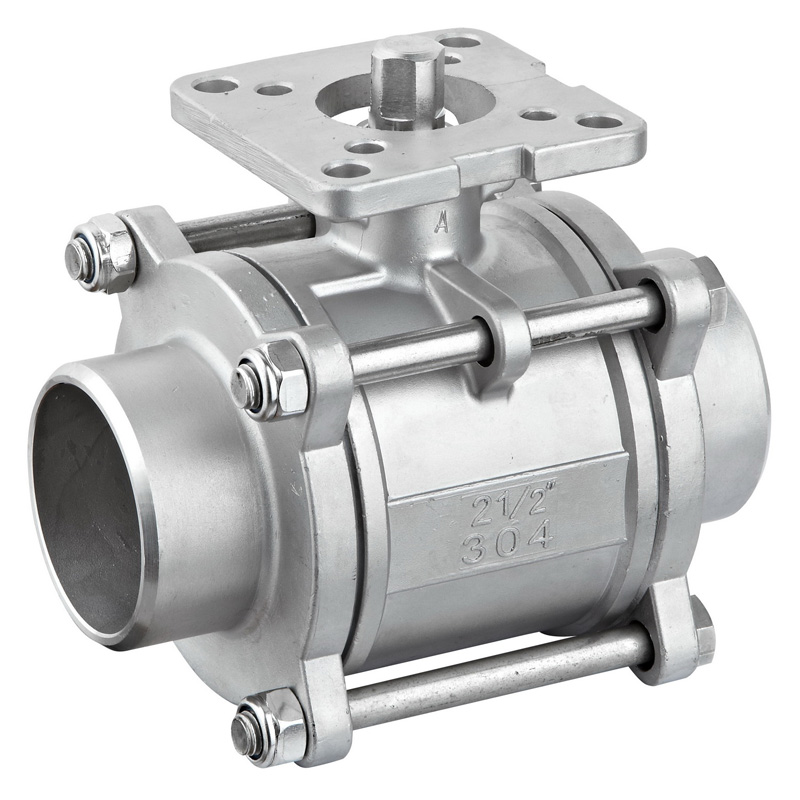 technology implementation
1. Sensor technology
Self-learning valves are usually equipped with a variety of sensors, such as flow sensors, pressure sensors, and temperature sensors. These sensors collect the medium parameters at the front and rear ends of the valve in real-time, providing basic data for subsequent data processing and control decisions.
2. Data processing and algorithm model
The controller inside the valve will process the received data and compare and analyze it with preset target parameters (such as set flow rate, pressure difference, etc.). By applying machine learning algorithms (such as fuzzy control, PID self-tuning, neural networks, etc.), the system can continuously optimize the adjustment strategy, making the valve operation more accurate and intelligent.
3. Actuator and feedback mechanism
The actuators of self-learning valves are usually electric or pneumatic devices that can accurately adjust the valve opening under the controller's instructions. At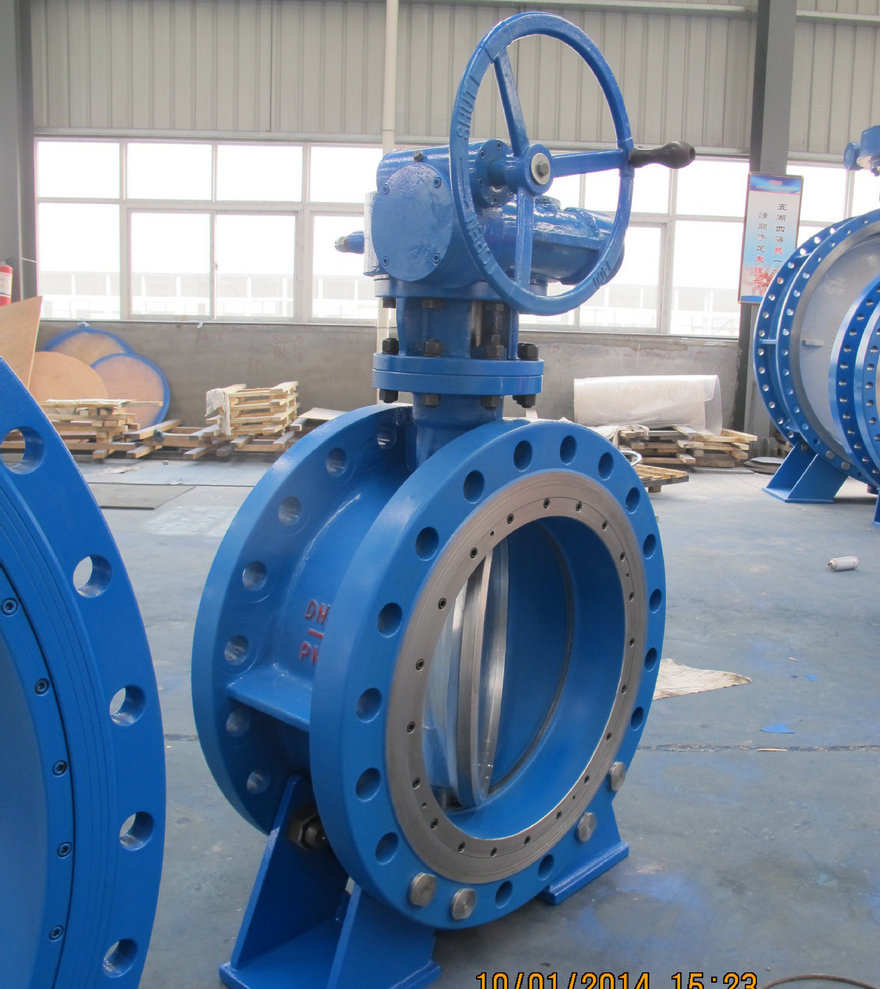 the same time, the system also has a closed-loop feedback mechanism, continuously monitoring the deviation between the actual output
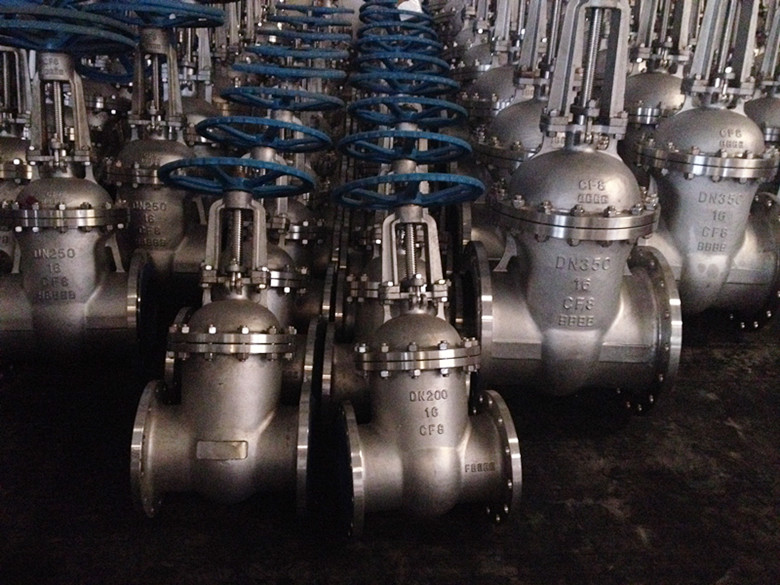 and the target value to ensure control accuracy.
4. Communication and remote control capability
Modern self-learning valves mostly support industrial bus protocols (such as Modbus, Profibus, CAN, etc.), enabling them to connect to host computers or industrial Internet of Things platforms for remote monitoring and parameter adjustment. Some high-end products also support cloud data upload and analysis, further enhancing the level of system intelligence.
3. Application scenarios and advantages
Self-learning valves are suitable for complex systems that require dynamic adjustment of flow and pressure, such as HVAC systems in intelligent buildings, fluid control systems in industrial production lines, and pressure regulation of urban water supply networks. Their advantages are mainly reflected in the following aspects:
- Energy-saving and consumption reduction: through intelligent regulation, avoiding excessive energy supply and improving energy utilization rate;
- High stability: adapting to different working conditions and maintaining stable system operation;
- Low maintenance cost: equipped with self-diagnosis function, reducing manual intervention;
- High extensibility: easy to integrate into intelligent manufacturing systems.
4. Future Development Direction
With the development of artificial intelligence, edge computing, and digital twin technology, the future self-learning valves will become more intelligent and networked. For example, by establishing a digital twin model of valve operation, simulating the operating state in a virtual environment, and predicting failures in advance; or through AI deep learning, continuously accumulating operating experience to further improve control accuracy and response speed.
Conclusion
The implementation of self-learning valves is not only an inevitable trend in the development of industrial automation, but also an important embodiment of intelligent manufacturing. It achieves a leap from 'passive execution' to 'active thinking' through the integration of multiple technologies such as sensors, data analysis, automatic control, and network communication. In the future, with the continuous advancement of technology, self-learning valves will play their unique value in more fields, providing strong support for the construction of efficient, green, and intelligent industrial systems.
1. Basic Concept of Self-learning Valves
Self-learning valves are intelligent control valves that can automatically adjust the opening, pressure, or flow rate based on the operating status of the system. Unlike traditional valves, they not only have the ability to execute control commands but also collect field data through sensors, utilize built-in algorithms for analysis and decision-making, and thus automatically optimize operating strategies under different working conditions to achieve the purposes of energy saving, efficiency, and stability.
2. Key
technology implementation1. Sensor technology
Self-learning valves are usually equipped with a variety of sensors, such as flow sensors, pressure sensors, and temperature sensors. These sensors collect the medium parameters at the front and rear ends of the valve in real-time, providing basic data for subsequent data processing and control decisions.
2. Data processing and algorithm model
The controller inside the valve will process the received data and compare and analyze it with preset target parameters (such as set flow rate, pressure difference, etc.). By applying machine learning algorithms (such as fuzzy control, PID self-tuning, neural networks, etc.), the system can continuously optimize the adjustment strategy, making the valve operation more accurate and intelligent.
3. Actuator and feedback mechanism
The actuators of self-learning valves are usually electric or pneumatic devices that can accurately adjust the valve opening under the controller's instructions. At
the same time, the system also has a closed-loop feedback mechanism, continuously monitoring the deviation between the actual output and the target value to ensure control accuracy.4. Communication and remote control capability
Modern self-learning valves mostly support industrial bus protocols (such as Modbus, Profibus, CAN, etc.), enabling them to connect to host computers or industrial Internet of Things platforms for remote monitoring and parameter adjustment. Some high-end products also support cloud data upload and analysis, further enhancing the level of system intelligence.
3. Application scenarios and advantages
Self-learning valves are suitable for complex systems that require dynamic adjustment of flow and pressure, such as HVAC systems in intelligent buildings, fluid control systems in industrial production lines, and pressure regulation of urban water supply networks. Their advantages are mainly reflected in the following aspects:
- Energy-saving and consumption reduction: through intelligent regulation, avoiding excessive energy supply and improving energy utilization rate;
- High stability: adapting to different working conditions and maintaining stable system operation;
- Low maintenance cost: equipped with self-diagnosis function, reducing manual intervention;
- High extensibility: easy to integrate into intelligent manufacturing systems.
4. Future Development Direction
With the development of artificial intelligence, edge computing, and digital twin technology, the future self-learning valves will become more intelligent and networked. For example, by establishing a digital twin model of valve operation, simulating the operating state in a virtual environment, and predicting failures in advance; or through AI deep learning, continuously accumulating operating experience to further improve control accuracy and response speed.
Conclusion
The implementation of self-learning valves is not only an inevitable trend in the development of industrial automation, but also an important embodiment of intelligent manufacturing. It achieves a leap from 'passive execution' to 'active thinking' through the integration of multiple technologies such as sensors, data analysis, automatic control, and network communication. In the future, with the continuous advancement of technology, self-learning valves will play their unique value in more fields, providing strong support for the construction of efficient, green, and intelligent industrial systems.




TOP
18914229323