
 18914229323

How to implement life prediction valves
Inindustrialproduction,valvesaskeycomponentsoffluidcontrolsystemsdirectlyaffectthesafetyandefficiencyoftheentiresystem.Withthedevelopmentofindustrialequipmenttowardsintelligenceanddigitization,theapp...
Hotline
In industrial production, valves as key components of fluid control systems directly affect the safety and efficiency of the entire system. With the development of industrial equipment towards intelligence and digitization, the application of life prediction technology in valve management has received increasing attention. The implementation of life prediction valves can not only improve equipment reliability but also reduce maintenance costs, realizing preventive maintenance strategies. This article will discuss the specific implementation methods of life prediction valves.
Firstly, the key to implementing life prediction valves lies in data collection and analysis. By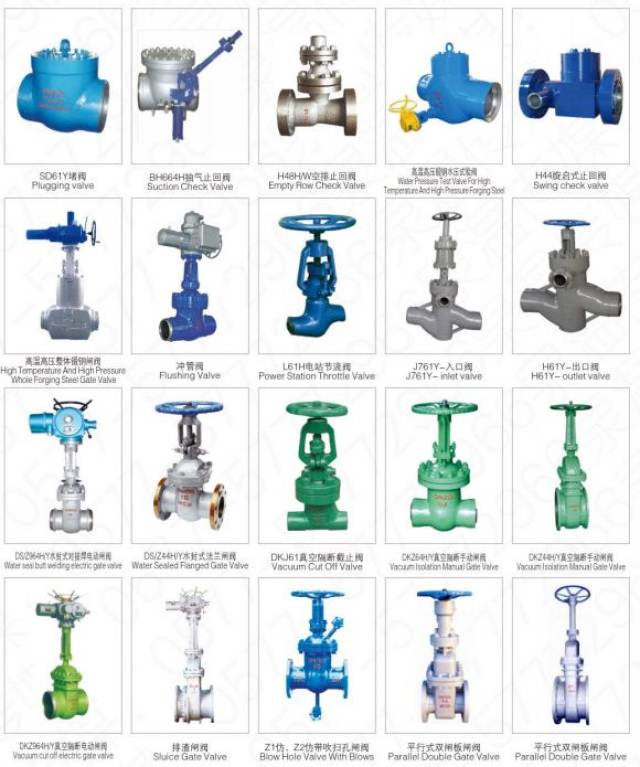 installing sensors on the valves to monitor their operating parameters such as pressure, temperature, vibration, and opening changes in real-time, operation data of valves under different working conditions can be obtained. These data provide a foundation for subsequent health status assessment and remaining life prediction.
Secondly, advanced data analysis and modeling technologies are used to process the collected data. Common methods include machine learning, deep learning, and prediction methods based on physical models. Through training on historical data, the system can identify the trend of valve performance degradation and predict its remaining service life. For example, in machine learning models, regression analysis, support vector machine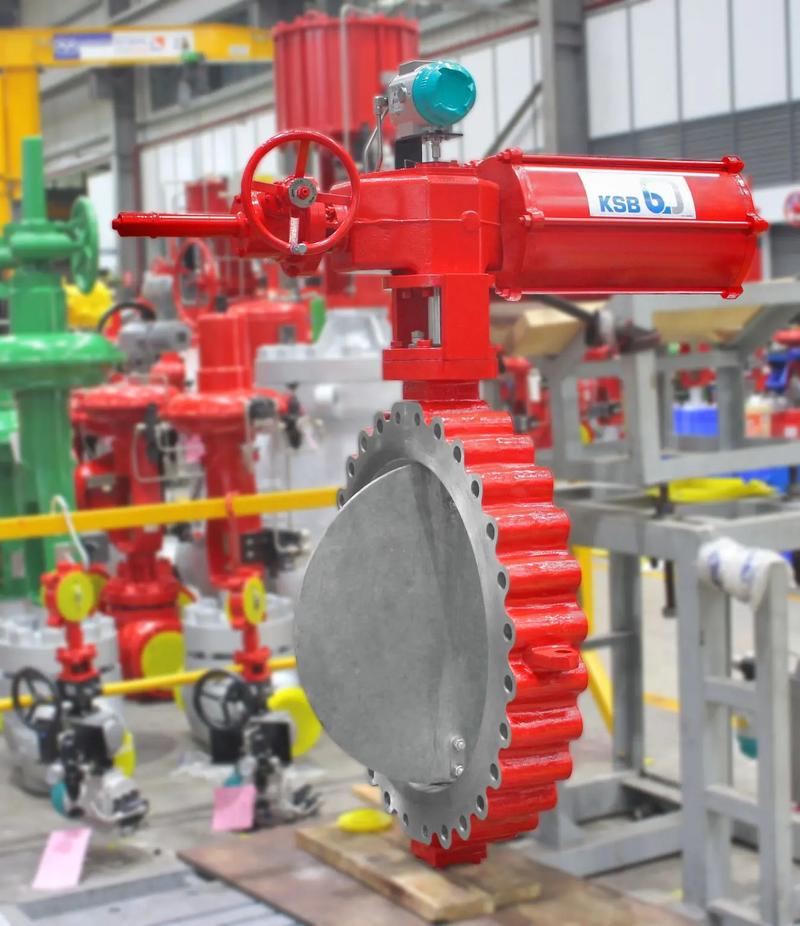 (SVM), or neural networks can be used for life prediction.
Third, establish reasonable life assessment standards and thresholds. Different types of valves have different life performance under different working conditions. Therefore, it is necessary to combine factors such as valve material, working medium, temperature and pressure conditions to formulate scientific evaluation indicators. When the monitored parameters exceed the set thresholds, the system can automatically issue early warnings, prompting relevant personnel to conduct inspections or replacement operations.
Fourth, the implementation of predictive maintenance management system. Integrating the life prediction results with Enterprise Resource Planning (ERP) or Maintenance Management System (CMMS) to realize closed-loop management from prediction to maintenance. This not only improves maintenance efficiency but also reduces unplanned downtime, enhancing overall production efficiency.
Finally, continuous optimization and feedback mechanisms are also crucial. By feedback from actual replacement and failure data, the prediction model is continuously corrected to improve prediction accuracy and form a virtuous cycle of continuous improvement.
In summary, the implementation of life prediction valves is a systematic project, involving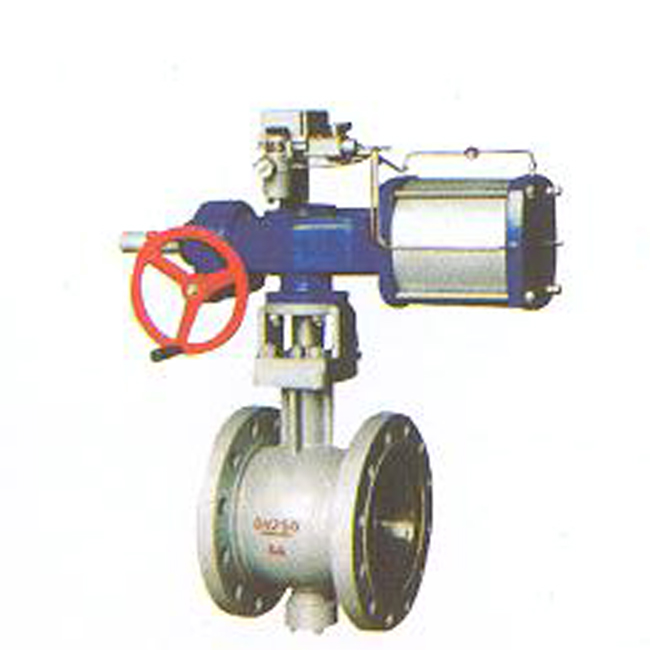 multiple links such as data collection, modeling analysis, standard setting, system integration, and continuous optimization. Only through scientific methods and systematic management can the intelligent management of the entire life cycle of valves truly be realized, bringing higher safety and economic benefits to enterprises.
In industrial production, valves as key components of fluid control systems directly affect the safety and efficiency of the entire system. With the development of industrial equipment towards intelligence and digitization, the application of life prediction technology in valve management has received increasing attention. The implementation of life prediction valves can not only improve equipment reliability but also reduce maintenance costs, realizing preventive maintenance strategies. This article will discuss the specific implementation methods of life prediction valves.
Firstly, the key to implementing life prediction valves lies in data collection and analysis. By
installing sensors on the valves to monitor their operating parameters such as pressure, temperature, vibration, and opening changes in real-time, operation data of valves under different working conditions can be obtained. These data provide a foundation for subsequent health status assessment and remaining life prediction.Secondly, advanced data analysis and modeling technologies are used to process the collected data. Common methods include machine learning, deep learning, and prediction methods based on physical models. Through training on historical data, the system can identify the trend of valve performance degradation and predict its remaining service life. For example, in machine learning models, regression analysis, support vector machine
(SVM), or neural networks can be used for life prediction.Third, establish reasonable life assessment standards and thresholds. Different types of valves have different life performance under different working conditions. Therefore, it is necessary to combine factors such as valve material, working medium, temperature and pressure conditions to formulate scientific evaluation indicators. When the monitored parameters exceed the set thresholds, the system can automatically issue early warnings, prompting relevant personnel to conduct inspections or replacement operations.
Fourth, the implementation of predictive maintenance management system. Integrating the life prediction results with Enterprise Resource Planning (ERP) or Maintenance Management System (CMMS) to realize closed-loop management from prediction to maintenance. This not only improves maintenance efficiency but also reduces unplanned downtime, enhancing overall production efficiency.
Finally, continuous optimization and feedback mechanisms are also crucial. By feedback from actual replacement and failure data, the prediction model is continuously corrected to improve prediction accuracy and form a virtuous cycle of continuous improvement.
In summary, the implementation of life prediction valves is a systematic project, involving
multiple links such as data collection, modeling analysis, standard setting, system integration, and continuous optimization. Only through scientific methods and systematic management can the intelligent management of the entire life cycle of valves truly be realized, bringing higher safety and economic benefits to enterprises.




TOP
18914229323