
 18914229323

How to standardize the factory test of valves
Inindustrialproduction,valvesasimportantequipmentforcontrollingfluidmedia,theirperformanceandqualityaredirectlyrelatedtothesafetyandstableoperationoftheentiresystem.Therefore,inordertoensurethesafety...
Hotline
In industrial production, valves as important equipment for controlling fluid media, their performance and quality are directly related to the safety and stable operation of the entire system. Therefore, in order to ensure the safety, sealing, and reliability of valves, strict tests must be carried out before they leave the factory. Standardized valve factory tests are not only an important link in product quality control but also a key measure to ensure the safety of users.
Firstly, the valve factory test should be carried out according to relevant national and industry standards, such as GB/T 13927 'Industrial Valves Pressure Test' and API 598 'Valve Inspection and Test Standard'. These standards clarify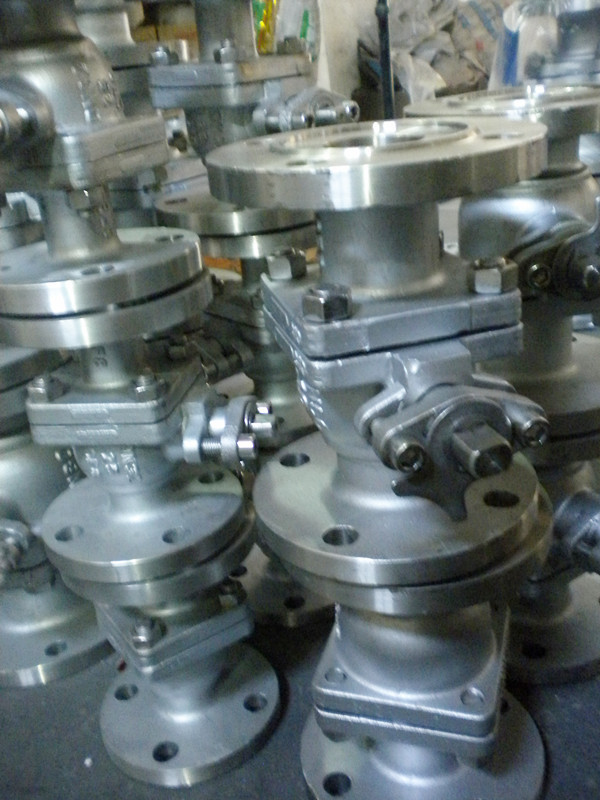 the test items, test methods, and qualification judgment criteria, which are the basis for standardized testing.
Common valve factory test items include shell strength test, sealing performance test, and upper seal test, etc. Among them, the shell strength test mainly detects whether the pressure-bearing parts such as the valve body and cover have sufficient strength; the sealing performance test is used to verify the sealing capacity of the valve in the closed state, preventing medium leakage; for valves with upper seal structures, an upper seal test is also required.
The test medium generally adopts water, air, or other inert gases. When water is used as the test medium, attention should be paid to prevent rust, and rust inhibitors can be added for treatment. The test pressure is generally 1.5 times the nominal pressure (shell test) and 1.1 times the nominal pressure (sealing test), and the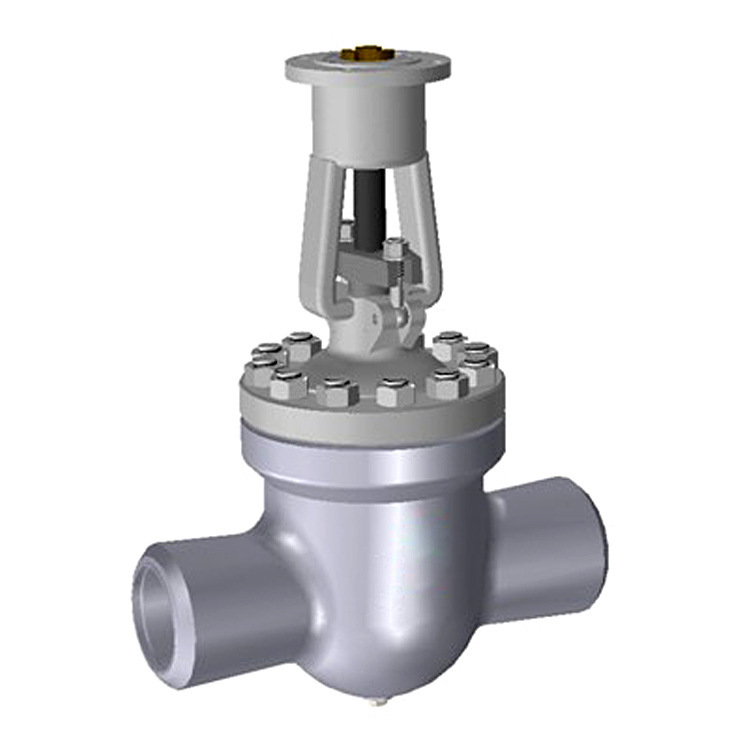 test duration varies with the size and type of the valve, usually not less than several seconds to
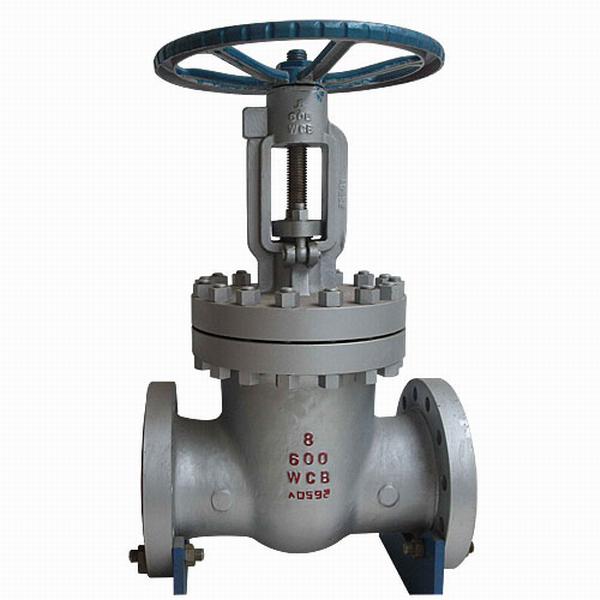 several minutes.
Secondly, qualified testing personnel and test equipment should be equipped during the test process. The test equipment needs to be calibrated regularly to ensure the accuracy of the test data. Testing personnel should have undergone professional training, be familiar with the test process and operation specifications, and ensure that the
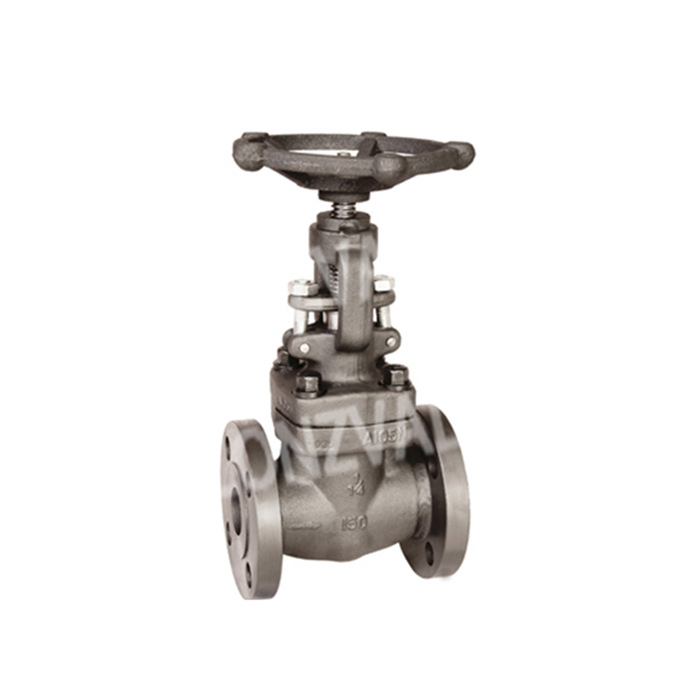 test process is controllable and the data is real and effective.
Finally, after the test is completed, records should be made, and a test report or a certificate of conformity should be issued. The test report should include information such as valve model, number, test date, test content, and test results, which is convenient for traceability and quality management.
In summary, the standardized valve factory test not only reflects the quality management level of the enterprise, but also is an important premise for ensuring the safe operation of the equipment. Only by strictly following the standards for all tests can we ensure that the performance of the valves leaving the factory meets the design requirements and satisfies the needs of actual application. Enterprises should attach great importance to the test work, continuously optimize the test process, improve the detection technology level, and thus promote the healthy development of the valve industry.
In industrial production, valves as important equipment for controlling fluid media, their performance and quality are directly related to the safety and stable operation of the entire system. Therefore, in order to ensure the safety, sealing, and reliability of valves, strict tests must be carried out before they leave the factory. Standardized valve factory tests are not only an important link in product quality control but also a key measure to ensure the safety of users.
Firstly, the valve factory test should be carried out according to relevant national and industry standards, such as GB/T 13927 'Industrial Valves Pressure Test' and API 598 'Valve Inspection and Test Standard'. These standards clarify
the test items, test methods, and qualification judgment criteria, which are the basis for standardized testing.Common valve factory test items include shell strength test, sealing performance test, and upper seal test, etc. Among them, the shell strength test mainly detects whether the pressure-bearing parts such as the valve body and cover have sufficient strength; the sealing performance test is used to verify the sealing capacity of the valve in the closed state, preventing medium leakage; for valves with upper seal structures, an upper seal test is also required.
The test medium generally adopts water, air, or other inert gases. When water is used as the test medium, attention should be paid to prevent rust, and rust inhibitors can be added for treatment. The test pressure is generally 1.5 times the nominal pressure (shell test) and 1.1 times the nominal pressure (sealing test), and the
test duration varies with the size and type of the valve, usually not less than several seconds toseveral minutes.Secondly, qualified testing personnel and test
equipment should be equipped during the test process. The test equipment needs to be calibrated regularly to ensure the accuracy of the test data. Testing personnel should have undergone professional training, be familiar with the test process and operation specifications, and ensure that the test process is controllable and the data is real and effective.Finally, after the test is completed, records should be made, and a test report or a certificate of conformity should be issued. The test report should include information such as valve model, number, test date, test content, and test results, which is convenient for traceability and quality management.
In summary, the standardized valve factory test not only reflects the quality management level of the enterprise, but also is an important premise for ensuring the safe operation of the equipment. Only by strictly following the standards for all tests can we ensure that the performance of the valves leaving the factory meets the design requirements and satisfies the needs of actual application. Enterprises should attach great importance to the test work, continuously optimize the test process, improve the detection technology level, and thus promote the healthy development of the valve industry.




TOP
18914229323