
 18914229323

How to implement valve wear protection
Valves,askeycomponentsinfluidcontrolsystems,arewidelyusedinmanyindustrialfieldssuchaspetroleum,chemicals,electricity,andmetallurgy.Duringlong-termoperation,valvesoftenfaceproblemssuchasmediumerosion,...
Hotline
Valves, as key components in fluid control systems, are widely used in many industrial fields such as petroleum, chemicals, electricity, and metallurgy. During long-term operation, valves often face problems such as medium erosion, corrosion, and particle wear, leading to a decrease in sealing performance and even failure. Therefore, implementing effective valve wear protection measures is crucial for ensuring equipment safe operation and extending service life.
I. Main reasons for valve wear
1. Mechanical wear: Solid particles mixed in the medium cause erosion wear to the valve seat, valve disc, and other components during high-speed flow.
2. Corrosive wear: Corrosive components (such as acids, bases, salts) in the medium react with metal materials, leading to material corrosion and spalling.
3. Erosion wear: When the pressure difference before and after the valve is large, bubbles may be formed in the liquid and break, causing local high-pressure impact and material fatigue damage.
4. Thermal stress wear: Under high-temperature conditions, materials may produce cracks due to uneven thermal expansion, aggravating wear.
II. Protective measures against valve wear
1. Rational material selection
The selection of valve materials should be matched according to the nature of the working medium (such as temperature, pressure, corrosiveness, particle content). For example, in corrosive environments, stainless steel, Hastelloy, and other corrosion-resistant materials can be selected; in media containing particles, hard alloy or ceramic materials can be used to enhance wear resistance.
2. Optimize structural design
The structural design of valves should minimize the direct impact of the medium on key components. For example, the use of streamlined channels, thickened valve seat edges, and the adoption of double eccentric or triple eccentric structural design can effectively reduce flow resistance and wear.
3. Surface treatment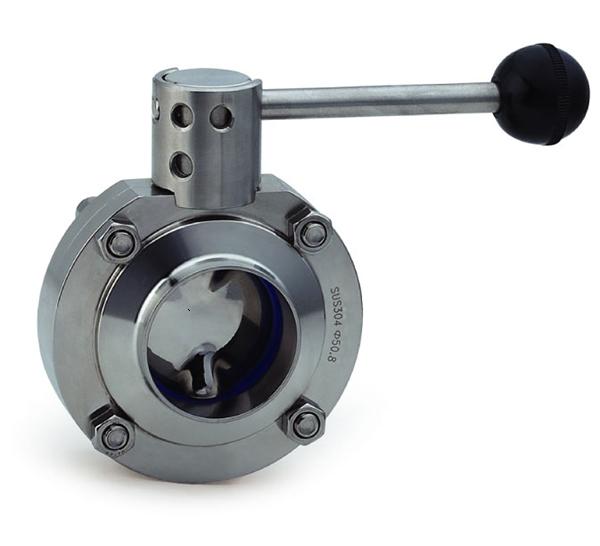 technology
Through surface strengthening processes such as thermal spraying, surfacing, nitriding, and chrome plating, the hardness and wear resistance of key parts of valves can be improved. For example, the use of supersonic flame spraying (HVOF) can form a dense tungsten carbide coating on the valve disc surface, significantly enhancing wear resistance.
4. Regular maintenance and inspection
Establish a complete valve operation record and maintenance system, regularly inspect the sealing performance and wear degree of valves, and replace or repair damaged parts in a timely manner. At the same time, clean the sediment in the valve cavity to prevent particle accumulation and cause further wear.
5. Controlling working conditions
When selecting valves, their actual operating conditions should be fully considered to avoid using them under conditions of high flow velocity or frequent opening and closing to reduce wear risks. If necessary, throttle plates or regulating valves can be added to reduce flow rate and pressure difference.
Conclusion
Valve wear protection is a systematic project involving material selection, structural design, manufacturing process, and operation management. Through scientific and reasonable design and maintenance measures, the service life of valves can be effectively extended, ensuring the safe and stable operation of equipment and improving the overall system's operating efficiency and economic benefits. Enterprises should attach great importance to the wear protection of valves, formulate practical protection plans in combination with actual working conditions, and ensure that valves can work continuously and stably in complex environments.
Valves, as key components in fluid control systems, are widely used in many industrial fields such as petroleum, chemicals, electricity, and metallurgy. During long-term operation, valves often face problems such as medium erosion, corrosion, and particle wear, leading to a decrease in sealing performance and even failure. Therefore, implementing effective valve wear protection measures is crucial for ensuring equipment safe operation and extending service life.
I. Main reasons for valve wear
1. Mechanical wear: Solid particles mixed in the medium cause erosion wear to the valve seat, valve disc, and other components during high-speed flow.
2. Corrosive wear: Corrosive components (such as acids, bases, salts) in the medium react with metal materials, leading to material corrosion and spalling.
3. Erosion wear: When the pressure difference before and after the valve is large, bubbles may be formed in the liquid and break, causing local high-pressure impact and material fatigue damage.
4. Thermal stress wear: Under high-temperature conditions, materials may produce cracks due to uneven thermal expansion, aggravating wear.
II. Protective measures against valve wear
1. Rational material selection
The selection of valve materials should be matched according to the nature of the working medium (such as temperature, pressure, corrosiveness, particle content). For example, in corrosive environments, stainless steel, Hastelloy, and other corrosion-resistant materials can be selected; in media containing particles, hard alloy or ceramic materials can be used to enhance wear resistance.
2. Optimize structural design
The structural design of valves should minimize the direct impact of the medium on key components. For example, the use of streamlined channels, thickened valve seat edges, and the adoption of double eccentric or triple eccentric structural design can effectively reduce flow resistance and wear.
3. Surface treatment
technologyThrough surface strengthening processes such as thermal spraying, surfacing, nitriding, and chrome plating, the hardness and wear resistance of key parts of valves can be improved. For example, the use of supersonic flame spraying (HVOF) can form a dense tungsten carbide coating on the valve disc surface, significantly enhancing wear resistance.
4. Regular maintenance and inspection
Establish a complete valve operation record and maintenance system, regularly inspect the sealing performance and wear degree of valves, and replace or repair damaged parts in a timely manner. At the same time, clean the sediment in the valve cavity to prevent particle accumulation and cause further wear.
5. Controlling working conditions
When selecting valves, their actual operating conditions should be fully considered to avoid using them under conditions of high flow velocity or frequent opening and closing to reduce wear risks. If necessary, throttle plates or regulating valves can be added to reduce flow rate and pressure difference.
Conclusion
Valve wear protection is a systematic project involving material selection, structural design, manufacturing process, and
operation management. Through scientific and reasonable design and maintenance measures, the service life of valves can be effectively extended, ensuring the safe and stable operation of equipment and improving the overall system's operating efficiency and economic benefits. Enterprises should attach great importance to the wear protection of valves, formulate practical protection plans in combination with actual working conditions, and ensure that valves can work continuously and stably in complex environments.




TOP
18914229323