
 18914229323
How to Estimate Valve Operating Torque
Inindustrialpipelinesystems,valvesareoneofthekeycomponentsforcontrollingmediumflow,andtheirnormaloperationiscrucialforthesafetyandstabilityoftheentiresystem.Duringtheprocessofvalveselectionanduse,acc...
Hotline
In industrial pipeline systems, valves are one of the key components for controlling medium flow, and their normal operation is crucial for the safety and stability of the entire system. During the process of valve selection and use, accurately estimating the operating torque of the valve is an important link in engineering design and equipment selection. This article will introduce the basic concepts, influencing factors, and estimation methods of valve operating torque.
I. Definition of Valve Operating Torque
Valve operating torque refers to the rotational torque required to open or close the valve (usually measured in Newton-meters N·m). It is an important basis for selecting actuators (such as electric, pneumatic, or hydraulic actuators). Inaccurate torque estimation can lead to oversized actuator selection resulting in waste, or undersized selection causing the valve to fail to open or close normally, affecting system operation.
---
II. Main Factors Affecting Valve Operating Torque
1. Valve Outlet Diameter and Pressure Grade
The larger the nominal diameter (DN) of the valve, the higher the required operating torque; the higher the working pressure, the greater the friction force between the sealing surfaces, thereby increasing the operating torque.
2. Type of Valve
Valves of different types have different structures and vary greatly in operating torque. For example:
- Gate valve: The operating torque mainly comes from the thread friction of the valve rod and the sealing force between the valve disc and the valve seat;}
- Ball valve: The operating torque is relatively small, but the friction at the moment of opening and closing is relatively large;
- Butterfly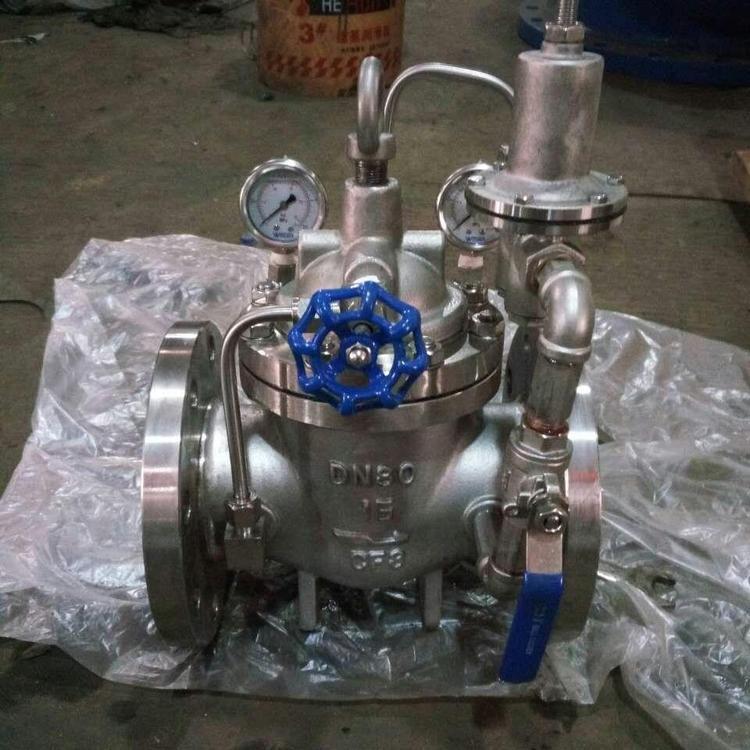 valve: Generally, the operating torque is relatively small;
- Stop valve: Due to the perpendicular direction of the medium flow direction and the valve disc movement direction, the operating torque is relatively large.
3. Sealing structure and material
The sealing surface material (such as metal to metal, PTFE, etc.) and pre-tension force will affect the friction force, thereby affecting the operating torque.
4. Working medium and temperature
The viscosity, corrosiveness, cleanliness, and other characteristics of the medium will affect the internal friction of the valve; high temperature will change the material properties and affect the sealing force and friction coefficient.
5. Operating frequency and wear
Frequent operation of valves can lead to wear of components, increase friction, and make the operating torque gradually increase.
---
Three, Methods for Estimating Valve Operating Torque
# 1. Empirical formula method
Many valve manufacturers provide reference values or empirical formulas for the operating torque of different types of valves. For example:
- Gate valve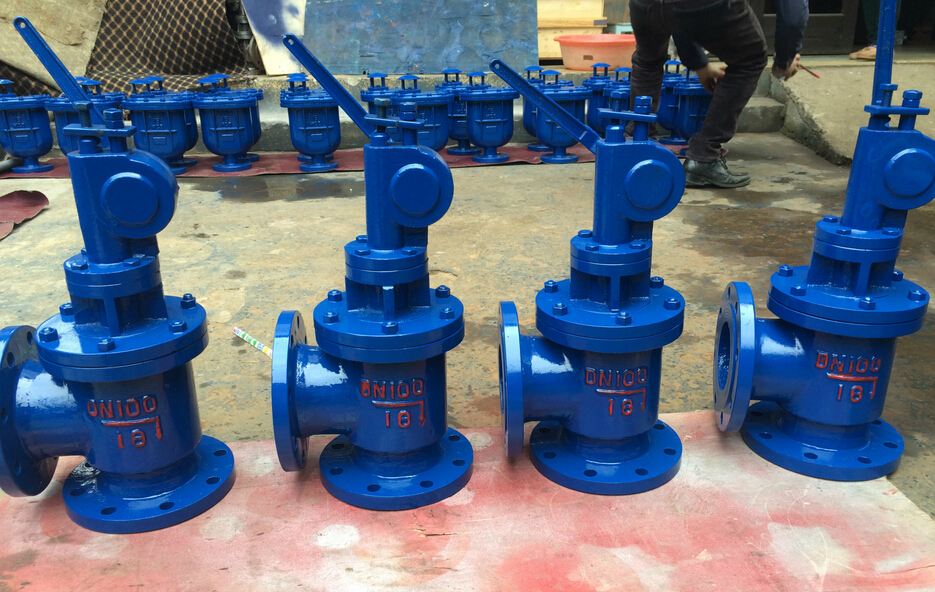 operating torque formula (simplified):
$$
T = K \cdot D^2 \cdot P
$$
Among them, T is the operating torque (N·m), D is the nominal diameter of the valve (mm), P is the working pressure (MPa), and K is the empirical coefficient (selected according to the valve structure and material, usually between 0.005 and 0.02).
- Ball valve operating torque estimation:
The torque of ball valves is mainly concentrated at the moment of opening and closing, and is generally estimated through experimental data or curve diagrams provided by manufacturers.
# 2. Lookup table method
Some industry standards (such as API, ASME, GB, etc.) and technical manuals provided by manufacturers usually list typical operating torque values of various valves under different working conditions. For example, GB/T 12228 'General Valves Cast Iron Ball Valve' will give recommended operating torque values for butterfly valves, gate valves, and others.
# 3. Actual measurement method
For existing valve equipment, the maximum torque required for opening or closing can be directly measured using a torque meter, which is the most accurate method and is suitable for equipment modification or fault analysis.
---
Four, Matters to be noted in the estimation
- Differentiate between opening and closing torques: Generally, the closing torque is greater than the opening torque.
- Consider the safety factor: In actual selection, it is recommended to increase a safety factor of 10% to 30% based on the estimation to cope with changes in working conditions or equipment aging.
- Actuator matching: Ensure that the output torque of the actuator is greater than the maximum operating torque required by the valve, and consider factors such as response time and control method.
---
Five, Conclusion
The reasonable estimation of the valve operating torque is not only related to the correct selection of the actuator but also directly affects the reliability and operating cost of the system. In practical engineering applications, it is recommended to combine empirical formulas, standard data, and on-site testing to comprehensively evaluate the operating torque, ensuring the safe and efficient operation of the valve system. With the development of intelligence, more and more valve manufacturers provide matching torque data and selection software, which also greatly improves the efficiency and accuracy of design.
In industrial pipeline systems, valves are one of the key components for controlling medium flow, and their normal operation is crucial for the safety and stability of the entire system. During the process of valve selection and use, accurately estimating the operating torque of the valve is an important link in engineering design and equipment selection. This article will introduce the basic concepts, influencing factors, and estimation methods of valve operating torque.
I. Definition of Valve Operating Torque
Valve operating torque refers to the rotational torque required to open or close the valve (usually measured in Newton-meters N·m). It is an important basis for selecting actuators (such as electric, pneumatic, or hydraulic actuators). Inaccurate torque estimation can lead to oversized actuator selection resulting in waste, or undersized selection causing the valve to fail to open or close normally, affecting system operation.
---
II. Main Factors Affecting Valve Operating Torque
1. Valve Outlet Diameter and Pressure Grade
The larger the nominal diameter (DN) of the valve, the higher the required operating torque; the higher the working pressure, the greater the friction force between the sealing surfaces, thereby increasing the operating torque.
2. Type of Valve
Valves of different types have different structures and vary greatly in operating torque. For example:
- Gate valve: The operating torque mainly comes from the thread friction of the valve rod and the sealing force between the valve disc and the valve seat;}
- Ball valve: The operating torque is relatively small, but the friction at the moment of opening and closing is relatively large;
- Butterfly
valve: Generally, the operating torque is relatively small;- Stop valve: Due to the perpendicular direction of the medium flow direction and the valve disc movement direction, the operating torque is relatively large.
3. Sealing structure and material
The sealing surface material (such as metal to metal, PTFE, etc.) and pre-tension force will affect the friction force, thereby affecting the operating torque.
4. Working medium and temperature
The viscosity, corrosiveness, cleanliness, and other characteristics of the medium will affect the internal friction of the valve; high temperature will change the material properties and affect the sealing force and friction coefficient.
5. Operating frequency and wear
Frequent operation of valves can lead to wear of components, increase friction, and make the operating torque gradually increase.
---
Three, Methods for Estimating Valve Operating Torque
# 1. Empirical formula method
Many valve manufacturers provide reference values or empirical formulas for the operating torque of different types of valves. For example:
- Gate valve
operating torque formula (simplified):$$
T = K \cdot D^2 \cdot P
$$
Among them, T is the operating torque (N·m), D is the nominal diameter of the valve (mm), P is the working pressure (MPa), and K is the empirical coefficient (selected according to the valve structure and material, usually between 0.005 and 0.02).
- Ball valve operating torque estimation:
The torque of ball valves is mainly concentrated at the moment of opening and closing, and is generally estimated through experimental data or curve diagrams provided by manufacturers.
# 2. Lookup table method
Some industry standards (such as API, ASME, GB, etc.) and technical manuals provided by manufacturers usually list typical operating torque values of various valves under different working conditions. For example, GB/T 12228 'General Valves Cast Iron Ball Valve' will give recommended operating torque values for butterfly valves, gate valves, and others.
# 3. Actual measurement method
For existing valve equipment, the maximum torque required for opening or closing can be directly measured using a torque meter, which is the most accurate method and is suitable for equipment modification or fault analysis.
---
Four, Matters to be noted in the estimation
- Differentiate
between opening and closing torques: Generally, the closing torque is greater than the opening torque.- Consider the safety factor: In actual selection, it is recommended to increase a safety factor of 10% to 30% based on the estimation to cope with changes in working conditions or equipment aging.
- Actuator matching: Ensure that the output torque of the
actuator is greater than the maximum operating torque required by the valve, and consider factors such as response time and control method.---
Five, Conclusion
The reasonable estimation of the valve operating torque is not only related to the correct selection of the actuator but also directly affects the reliability and operating cost of the system. In practical engineering applications, it is recommended to combine empirical formulas, standard data, and on-site testing to comprehensively evaluate the operating torque, ensuring the safe and efficient operation of the valve system. With the development of intelligence, more and more valve manufacturers provide matching torque data and selection software, which also greatly improves the efficiency and accuracy of design.




TOP
18914229323