
 18914229323

How to Achieve Digital Valve Design
WiththerapiddevelopmentofIndustry4.0andintelligentmanufacturing,traditionalmanufacturingindustriesareacceleratingtheirtransformationtowardsdigitalizationandintelligence.Valves,asakeycomponentinfluidc...
Hotline
With the rapid development of Industry 4.0 and intelligent manufacturing, traditional manufacturing industries are accelerating their transformation towards digitalization and intelligence. Valves, as a key component in fluid control systems, are also facing new challenges and opportunities in design, manufacturing, and management. The application of digital design technology not only improves the performance and reliability of valve products but also significantly enhances the efficiency of research and development and the speed of market response.
I. Concept of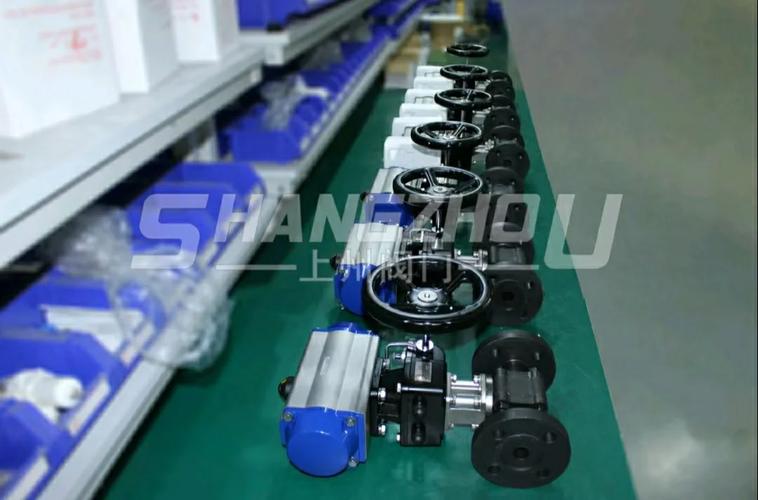 Digital Valve Design
Digital valve design refers to the process of building a complete digital model during product development by utilizing digital tools such as Computer-Aided Design (CAD), Simulation Analysis (CAE), and Data Management (PDM/PLM). This achieves full-process digital management from design, simulation, optimization to manufacturing. This design method breaks through the limitations of traditional reliance on experience and physical testing, and realizes efficient collaboration and data-driven design processes.
II. Key Technologies for Digital Valve Design
1. 3D Modeling and Parametric Design
Using CAD software such as SolidWorks, CATIA, or Creo for 3D modeling can accurately express the geometric structure of the valve. Through parametric design methods, designers can quickly generate new design schemes by simply adjusting key parameters, greatly improving design efficiency and facilitating subsequent standardization and modular application.
2. Finite element analysis and fluid simulation
With the help of CAE tools such as ANSYS and COMSOL, strength, stiffness, fatigue life, and fluid dynamics analysis (CFD) of the valve can be performed, which can predict the performance of the valve under different operating conditions, identify potential design defects in advance, reduce the number of physical tests, and reduce R&D costs.
3. Product Lifecycle Management (PLM)
PLM systems can achieve unified management of valve design data, including design versions, process routes, bill of materials (BOM), change records, and other information, ensuring consistency and traceability of data in each link, improving collaboration efficiency and product quality control capabilities.
4. Virtual prototype and digital twin
Establish the virtual prototype of the valve, simulate its actual operating state in the digital space;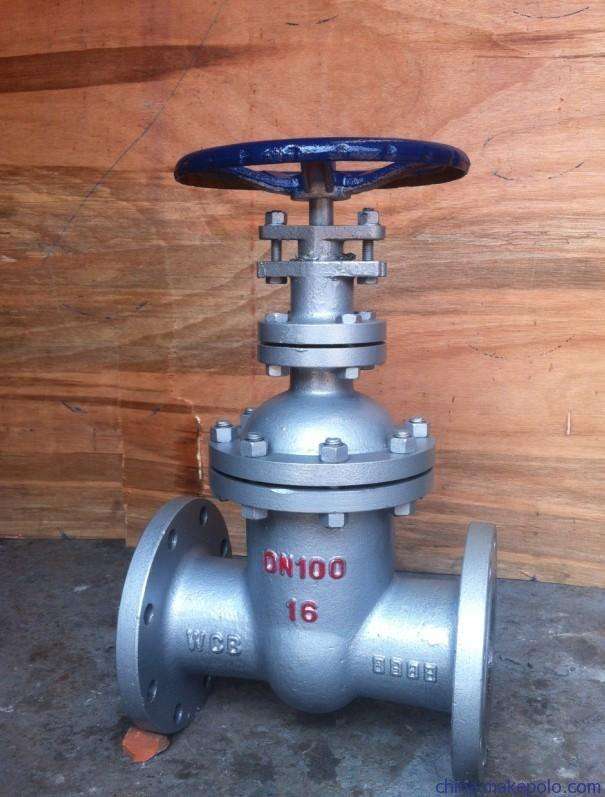 combined with Internet of Things technology, it is also possible to build a digital twin of the valve, realizing real-time monitoring and predictive maintenance of the equipment operating status, and providing support for intelligent operation and maintenance.
Three, Constructing the digital design process
The digital design of valves usually includes the following steps:
- Requirement analysis and function definition: Clarify the usage scenarios, performance indicators, and design constraints of the valve.
- 3D modeling and assembly design: Complete the geometric modeling of each component and the overall assembly.
- Simulation analysis and structural optimization: Through simulation verification, design feasibility is ensured, and performance optimization is carried out.
- Process planning and manufacturing preparation: Output processing drawings and process documents, and carry out CNC programming.
- Data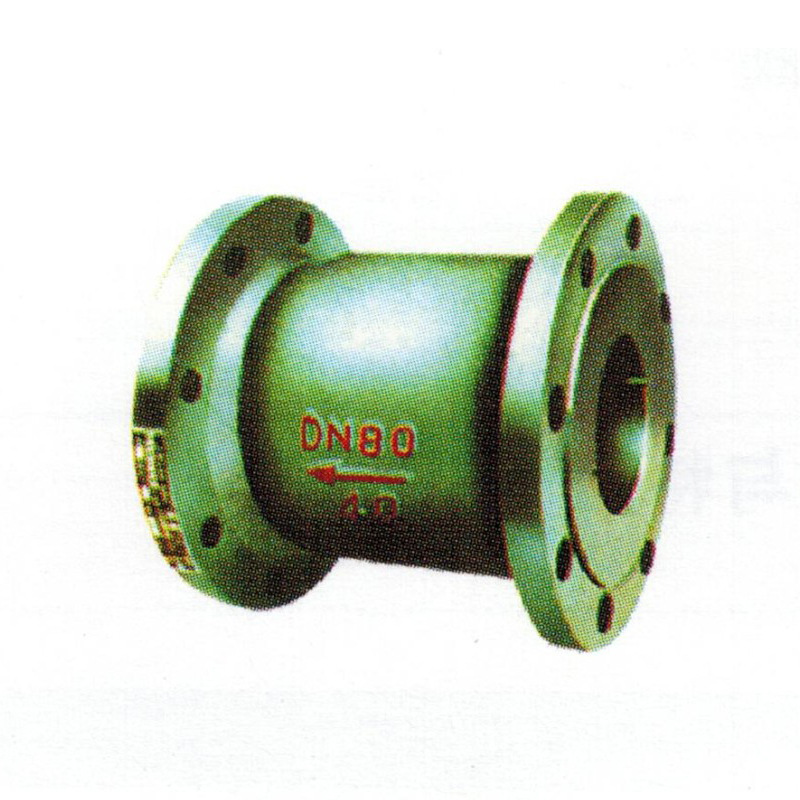 management and collaborative development: Achieve unified management of design results and multi-departmental collaboration through PLM systems.
- Test verification and iterative improvement: Combine physical testing or virtual experiments to verify the design effect and continuously optimize.
Four, Advantages brought by digital design
1. Improve design efficiency and quality
Digital tools support rapid iteration and multi-program selection, significantly shortening the R&D cycle and improving design accuracy.
2. Reduce costs and risks
Early simulation and verification reduce the cost of trial and error, digital prototypes replace some physical tests, and reduce the risk of research and development.
3. Promote collaboration and innovation
The digital platform supports collaborative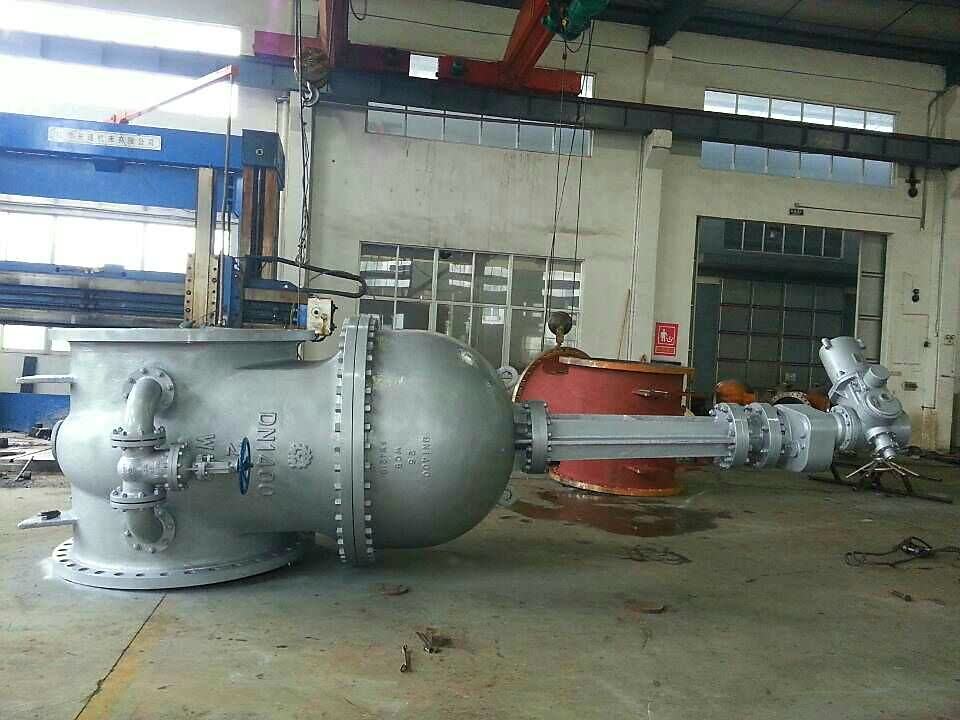 development across departments and regions, which is conducive to knowledge sharing and technological innovation.
4. Support for the transformation of intelligent manufacturing
Digital design is the foundation of intelligent manufacturing and can be seamlessly integrated with systems such as MES and ERP, promoting production automation and intelligence.
Five, Conclusion
The digital design of valves is not only an upgrade of technical means, but also a revolution in design concepts and management methods. With the integration of emerging technologies such as artificial intelligence and big data, future valve design will become more intelligent, automated, and personalized. Enterprises should actively embrace digital transformation, strengthen talent cultivation and technology research and development, in order to gain a competitive advantage in the fierce market competition.
With the rapid development of Industry 4.0 and intelligent manufacturing, traditional manufacturing industries are accelerating their transformation towards digitalization and intelligence. Valves, as a key component in fluid control systems, are also facing new challenges and opportunities in design, manufacturing, and management. The application of digital design technology not only improves the performance and reliability of valve products but also significantly enhances the efficiency of research and development and the speed of market response.
I. Concept of
Digital Valve DesignDigital valve design refers to the process of building a complete digital model during product development by utilizing digital tools such as Computer-Aided Design (CAD), Simulation Analysis (CAE), and Data Management (PDM/PLM). This achieves full-process digital management from design, simulation, optimization to manufacturing. This design method breaks through the limitations of traditional reliance on experience and physical testing, and realizes efficient collaboration and data-driven design processes.
II. Key Technologies for Digital Valve Design
1. 3D Modeling and Parametric Design
Using CAD software such as SolidWorks, CATIA, or Creo for 3D modeling can accurately express the geometric structure of the valve. Through parametric design methods, designers can quickly generate new design schemes by simply adjusting key parameters, greatly improving design efficiency and facilitating subsequent standardization and modular application.
2. Finite element analysis and fluid simulation
With the help of CAE tools such as ANSYS and COMSOL, strength, stiffness, fatigue life, and fluid dynamics analysis (CFD) of the valve can be performed, which can predict the performance of the valve under different operating conditions, identify potential design defects in advance, reduce the number of physical tests, and reduce R&D costs.
3. Product Lifecycle Management (PLM)
PLM systems can achieve unified management of valve design data, including design versions, process routes, bill of materials (BOM), change records, and other information, ensuring consistency and traceability of data in each link, improving collaboration efficiency and product quality control capabilities.
4. Virtual prototype and digital twin
Establish the virtual prototype of the valve, simulate its actual operating state in the digital space;
combined with Internet of Things technology, it is also possible to build a digital twin of the valve, realizing real-time monitoring and predictive maintenance of the equipment operating status, and providing support for intelligent operation and maintenance.Three, Constructing the digital design process
The digital design of valves usually includes the following steps:
- Requirement analysis and function definition: Clarify the usage scenarios, performance indicators, and design constraints of the valve.
- 3D modeling and assembly design: Complete the geometric modeling of each component and the overall assembly.
- Simulation analysis and structural optimization: Through simulation verification, design feasibility is ensured, and performance optimization is carried out.
- Process planning and manufacturing preparation: Output processing drawings and process documents, and carry out CNC programming.
- Data
management and collaborative development: Achieve unified management of design results and multi-departmental collaboration through PLM systems.- Test verification and iterative improvement: Combine physical testing or virtual experiments to verify the design effect and continuously optimize.
Four, Advantages brought by digital design
1. Improve design efficiency and quality
Digital tools support rapid iteration and multi-program selection, significantly shortening the R&D cycle and improving design accuracy.
2. Reduce costs and risks
Early simulation and verification reduce the cost of trial and error, digital prototypes replace some physical tests, and reduce the risk of research and development.
3. Promote collaboration and innovation
The digital platform supports collaborative
development across departments and regions, which is conducive to knowledge sharing and technological innovation.4. Support for the transformation of intelligent manufacturing
Digital design is the foundation of intelligent manufacturing and can be seamlessly integrated with systems such as MES and ERP, promoting production automation and intelligence.
Five, Conclusion
The digital design of valves is not only an upgrade of technical means, but also a revolution in design concepts and management methods. With the integration of emerging technologies such as artificial intelligence and big data, future valve design will become more intelligent, automated, and personalized. Enterprises should actively embrace digital transformation, strengthen talent cultivation and technology research and development, in order to gain a competitive advantage in the fierce market competition.




TOP
18914229323