
 18914229323
How to prevent cavitation in valve cavitation tests
Inindustrialpipelinesystems,valvesserveaskeyequipmentforcontrollingfluidflowandpressure,andtheirperformanceandlifespandirectlyaffectthesafetyandstabilityoftheentiresystem.However,valvesoperatingunder...
Hotline
In industrial pipeline systems, valves serve as key equipment for controlling fluid flow and pressure, and their performance and lifespan directly affect the safety and stability of the entire system. However, valves operating under conditions such as high pressure difference and high flow velocity often face a serious problem - cavitation (Cavitation). Especially during the valve cavitation test process, if the cavitation phenomenon is not effectively prevented, it not only affects the accuracy of the test data but may also cause irreversible damage to the valve itself, even triggering safety accidents. Therefore, studying how to prevent valve cavitation has important practical significance.
1. Mechanism of valve cavitation
Cavitation refers to the phenomenon where, during the flow of a liquid, due to the local pressure drop below the saturation vapor pressure of the liquid, bubbles (vapor bubbles or dissolved gas precipitation) form in the liquid. Subsequently, in the pressure rise area, the bubbles collapse rapidly, releasing high-energy shock waves, causing fatigue spalling of the metal surface. In the valve test process, especially at throttling sections (such as between the valve disc and seat), pressure changes are剧烈, making cavitation more likely to occur.
2. Harm of valve cavitation
Cavitation not only leads to fatigue damage of valve materials, shortening service life, but also causes vibration, noise, and unstable flow. In the test environment, cavitation may affect the accuracy of test instruments, interfere with the collection and analysis of test data, and even damage test equipment.
3. Main measures for preventing valve cavitation
1. Optimization of valve structural design
The use of multi-stage pressure reduction structures or labyrinthine flow channel designs can effectively reduce local flow velocity, reduce pressure drop gradients, and thereby reduce the probability of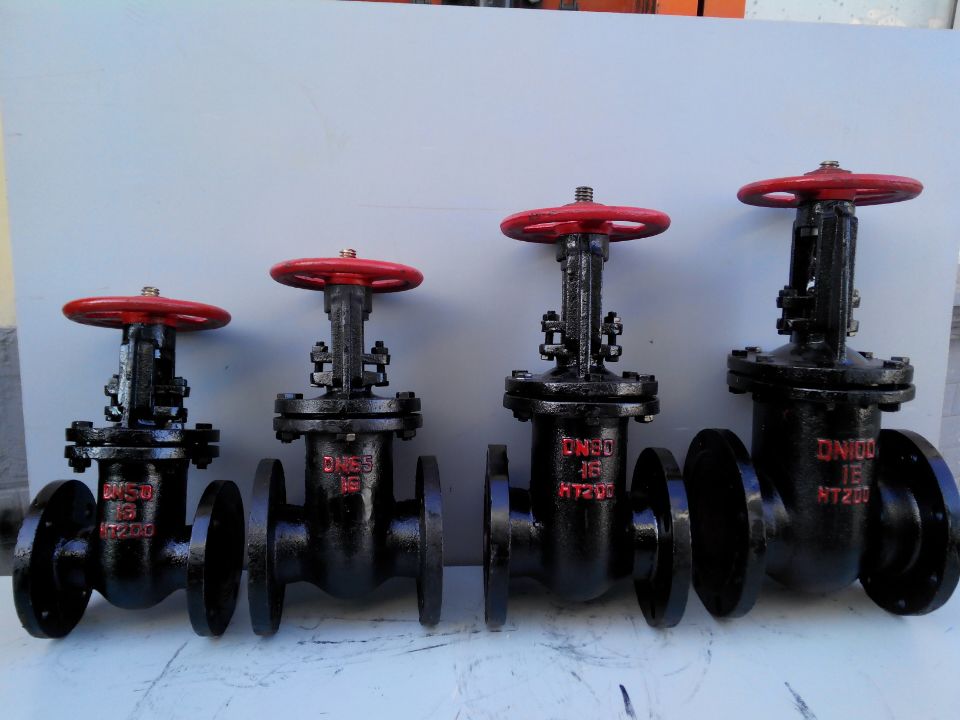 cavitation. For example, the regulating valve with a porous cage structure can release high pressure differences in stages, effectively inhibiting bubble formation.
2. Selection of anti-cavitation materials with strong performance
Key components of the valve should be selected from materials with high hardness, corrosion resistance, and strong fatigue resistance, such as stainless steel 316, Hastelloy, and duplex stainless steel. In addition, surface hardening treatment (such as tungsten carbide coating) can also be used to improve its wear resistance and anti-cavitation ability.
3. Control of test conditions
Reasonable control of the inlet pressure, temperature, and flow rate during cavitation testing is an important means to prevent cavitation. By reducing the test pressure difference, increasing back pressure, or lowering the fluid temperature, the anti-cavitation performance of the liquid can be improved.
4. Rational design of the test system
Setting energy dissipation devices, throttle orifice plates, or multi-stage pressure reduction valve groups in the test pipeline helps to stabilize fluid pressure and reduce the risk of sudden pressure drop. At the same time, it ensures that there are sufficient exhaust and venting devices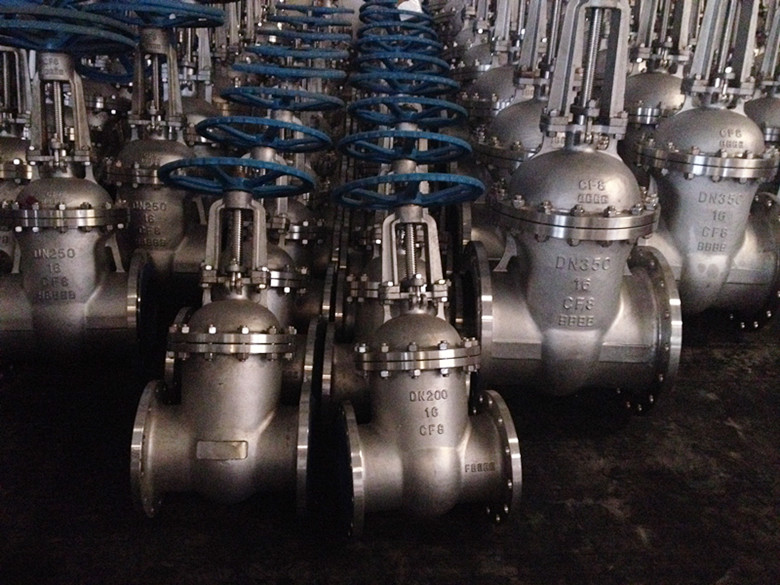 in the test loop to prevent gas accumulation.
5. Introduction of cavitation monitoring technology
During the test process, technical means such as acoustic emission detection, vibration monitoring, and ultrasonic testing can be used to monitor the occurrence of cavitation in real-time and adjust test parameters in a timely manner to avoid irreversible damage caused by cavitation.
4. Conclusion
Valve cavitation is a complex physical process, closely related to various factors such as fluid properties, valve design, and test conditions. In valve cavitation tests, only through scientific design, reasonable material selection, and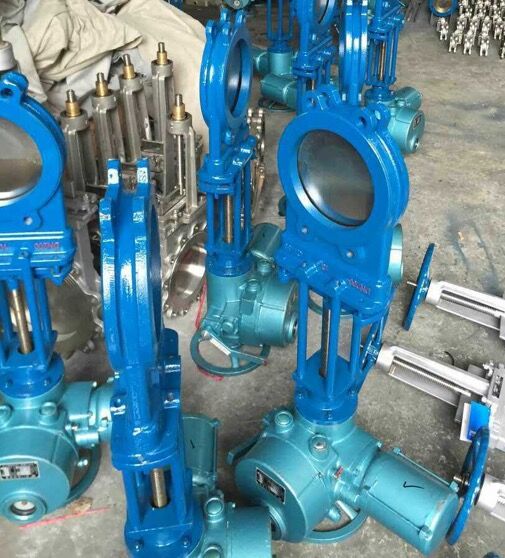 precise test control can cavitation be effectively prevented, ensuring the accuracy of test data and the safe operation of equipment. In the future, with the development of new materials and new processes, the anti-cavitation ability of valves will continue to improve, providing more reliable guarantees for engineering applications.
In industrial pipeline systems, valves serve as key equipment for controlling fluid flow and pressure, and their performance and lifespan directly affect the safety and stability of the entire system. However, valves operating under conditions such as high pressure difference and high flow velocity often face a serious problem - cavitation (Cavitation). Especially during the valve cavitation test process, if the cavitation phenomenon is not effectively prevented, it not only affects the accuracy of the test data but may also cause irreversible damage to the valve itself, even triggering safety accidents. Therefore, studying how to prevent valve cavitation has important practical significance.
1. Mechanism of valve cavitation
Cavitation refers to the phenomenon where, during the flow of a liquid, due to the local pressure drop below the saturation vapor pressure of the liquid, bubbles (vapor bubbles or dissolved gas precipitation) form in the liquid. Subsequently, in the pressure rise area, the bubbles collapse rapidly, releasing high-energy shock waves, causing fatigue spalling of the metal surface. In the valve test process, especially at throttling sections (such as between the valve disc and seat), pressure changes are剧烈, making cavitation more likely to occur.
2. Harm of valve cavitation
Cavitation not only leads to fatigue damage of valve materials, shortening service life, but also causes vibration, noise, and unstable flow. In the test environment, cavitation may affect the accuracy of test instruments, interfere with the collection and analysis of test data, and even damage test equipment.
3. Main measures for preventing valve cavitation
1. Optimization of valve structural design
The use of multi-stage pressure reduction structures or labyrinthine flow channel designs can effectively reduce local flow velocity, reduce pressure drop gradients, and thereby reduce the probability of
cavitation. For example, the regulating valve with a porous cage structure can release high pressure differences in stages, effectively inhibiting bubble formation.2. Selection of anti-cavitation materials with strong performance
Key components of the valve should be selected from materials with high hardness, corrosion resistance, and strong fatigue resistance, such as stainless steel 316, Hastelloy, and duplex stainless steel. In addition, surface hardening treatment (such as tungsten carbide coating) can also be used to improve its wear resistance and anti-cavitation ability.
3. Control of test conditions
Reasonable control of the inlet pressure, temperature, and flow rate during cavitation testing is an important means to prevent cavitation. By reducing the test pressure difference, increasing back pressure, or lowering the fluid temperature, the anti-cavitation performance of the liquid can be improved.
4. Rational design of the test system
Setting energy dissipation devices, throttle orifice plates, or multi-stage pressure reduction valve groups in the test pipeline helps to stabilize fluid pressure and reduce the risk of sudden pressure drop. At the same time, it ensures that there are sufficient exhaust and venting devices
in the test loop to prevent gas accumulation.5. Introduction of cavitation monitoring technology
During the test process, technical means such as acoustic emission detection, vibration monitoring, and ultrasonic testing can be used to monitor the occurrence of cavitation in real-time and adjust test parameters in a timely manner to avoid irreversible damage caused by cavitation.
4. Conclusion
Valve cavitation is a complex physical process, closely related to various factors such as fluid properties, valve design, and test conditions. In valve cavitation tests, only through scientific design, reasonable material selection, and
precise test control can cavitation be effectively prevented, ensuring the accuracy of test data and the safe operation of equipment. In the future, with the development of new materials and new processes, the anti-cavitation ability of valves will continue to improve, providing more reliable guarantees for engineering applications.




TOP
18914229323