
 18914229323

How do electric valves withstand temperature?
1.TheimportanceoftemperatureresistanceofelectricvalvesElectricvalvesareusuallyusedforconveyinghigh-temperaturesteamorhotoilandothermedia,withworkingtemperaturesupto500℃andabove.Ifthevalvematerialorst...
Hotline
1. The importance of temperature resistance of electric valves
Electric valves are usually used for conveying high-temperature steam or hot oil and other media, with working temperatures up to 500℃ and above. If the valve material or structural design is not appropriate, it is easy to cause deformation of the valve, failure of the seal, and even leakage, which may trigger safety accidents in severe cases. Therefore, improving the temperature resistance of electric valves is a key link to ensure the normal operation of the entire power system.
2. Material selection is the foundation of temperature resistance performance
Materials are the primary factor determining the temperature resistance of valves:
1. Metal materials: Common high-temperature valve materials include stainless steel (such as 304, 316), chromium-molybdenum steel (such as WC9, F91), and nickel-based alloys (such as Inconel 600, 625). These materials have good high-temperature strength, oxidation resistance, and corrosion resistance.
2. Seal materials: Traditional rubber seals are not suitable for high-temperature environments and require metal seals or high-temperature corrosion-resistant materials such as graphite and ceramic coatings.
3. Surface treatment: Heat spraying, nitriding, carburizing, and other treatments on the valve surface can further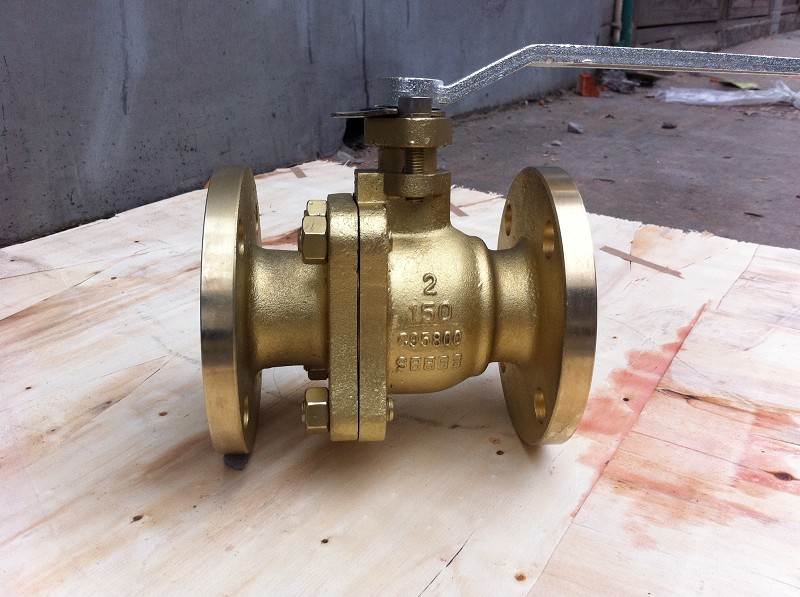 enhance its high-temperature resistance and wear resistance.
3. Structural design affecting temperature resistance stability
In addition to material selection, the structural design of the valve also directly affects its temperature resistance:
1. Heat dissipation design: Design fins or cooling cavities in the high-temperature area to help reduce the local temperature of the valve body and avoid thermal stress concentration.
2. Thermal expansion compensation mechanism: Adopt floating valve seats or elastic structure design to deal with deformation problems caused by material expansion under high temperature.
3. Flow channel optimization: Reasonably design the shape of the flow channel to reduce turbulence and eddies, and lower the local overheating caused by fluid impact.
4. Manufacturing and Process Control
High-precision processing technology and strict heat treatment control are important guarantees for ensuring the temperature resistance of the valve. For example:
- Precision casting and forging technologies can improve the density and strength of the material;
- The welding parts use high-temperature welding materials and processes to ensure the thermal stability of the connection parts;
- Heat treatment processes such as normalizing and tempering can improve the material's microstructure and enhance its high-temperature performance.
5. Maintenance and Inspection in Actual Application
Even if the valve design is excellent, if it lacks maintenance during use, it will affect its temperature resistance. Regular inspections, lubrication, and replacement of seals are key to ensuring its long-term stable operation. At the same time, with the help of modern detection technologies such as infrared thermal imaging and ultrasonic testing, potential hazards can be detected in a timely manner.
Conclusion
The temperature resistance of electric valves is not only related to the service life of the equipment but also directly affects the safe operation of the entire power system. Through scientific material selection, optimized design, strict manufacturing, and regular maintenance, the reliability of electric valves under extreme high-temperature environments can be effectively improved. With the development of material science and intelligent manufacturing technology, future electric valves will have stronger temperature resistance, providing safer and more efficient technical support for the power industry.
1. The importance of temperature resistance of electric valves
Electric valves are usually used for conveying high-temperature steam or hot oil and other media, with working temperatures up to 500℃ and above. If the valve material or structural design is not appropriate, it is easy to cause deformation of the valve, failure of the seal, and even leakage, which may trigger safety accidents in severe cases. Therefore, improving the temperature resistance of electric valves is a key link to ensure the normal operation of the entire power system.
2. Material selection is the foundation of temperature resistance performance
Materials are the primary factor determining the temperature resistance of valves:
1. Metal materials: Common high-temperature valve materials include stainless steel (such as 304, 316), chromium-molybdenum steel (such as WC9, F91), and nickel-based alloys (such as Inconel 600, 625). These materials have good high-temperature strength, oxidation resistance, and corrosion resistance.
2. Seal materials: Traditional rubber seals are not suitable for high-temperature environments and require metal seals or high-temperature corrosion-resistant materials such as graphite and ceramic coatings.
3. Surface treatment: Heat spraying, nitriding, carburizing, and other treatments on the valve surface can further
enhance its high-temperature resistance and wear resistance.3. Structural design affecting temperature resistance stability
In addition to material selection, the structural design of the valve also directly affects its temperature resistance:
1. Heat dissipation design: Design fins or cooling cavities in the high-temperature area to help reduce the local temperature of the valve body and avoid thermal stress concentration.
2. Thermal expansion compensation mechanism: Adopt floating valve seats or elastic structure design to deal with deformation problems caused by material
expansion under high temperature.3. Flow channel optimization: Reasonably design the shape of the flow channel to reduce turbulence and eddies, and lower the local overheating caused by fluid impact.
4. Manufacturing and Process Control
High-precision processing technology and strict heat treatment control are important guarantees for ensuring the temperature resistance of the valve. For example:
- Precision casting and forging technologies can improve the density and strength of the material;
- The welding parts use high-temperature welding materials and processes to ensure the thermal stability of the connection parts;
- Heat treatment processes such as normalizing and tempering can improve the material's microstructure and enhance its high-temperature performance.
5. Maintenance and Inspection in Actual Application
Even if the valve design is excellent, if it lacks maintenance during use, it will affect its temperature resistance. Regular inspections, lubrication, and replacement of seals are key to ensuring its long-term stable operation. At the same time, with the help of modern detection technologies such as infrared thermal imaging and ultrasonic testing, potential hazards can be detected in a timely manner.
Conclusion
The temperature resistance of electric valves is not only related to the service life of the equipment but also directly affects the safe operation of the entire power system. Through scientific material selection, optimized design, strict manufacturing, and regular maintenance, the reliability of electric valves under extreme high-temperature environments can be effectively improved. With the development of material science and intelligent manufacturing technology, future electric valves will have stronger temperature resistance, providing safer and more efficient technical support for the power industry.




TOP
18914229323