
 18914229323

How to save energy in building valves
Firstly,theselectionofenergy-savingvalvesiscrucial.Traditionalvalveshavesignificantfluidresistanceandenergylossduringtheopeningandclosingprocess,whilelowresistance,high-sealingenergy-savingvalvessuch...
Hotline
Firstly, the selection of energy-saving valves is crucial. Traditional valves have significant fluid resistance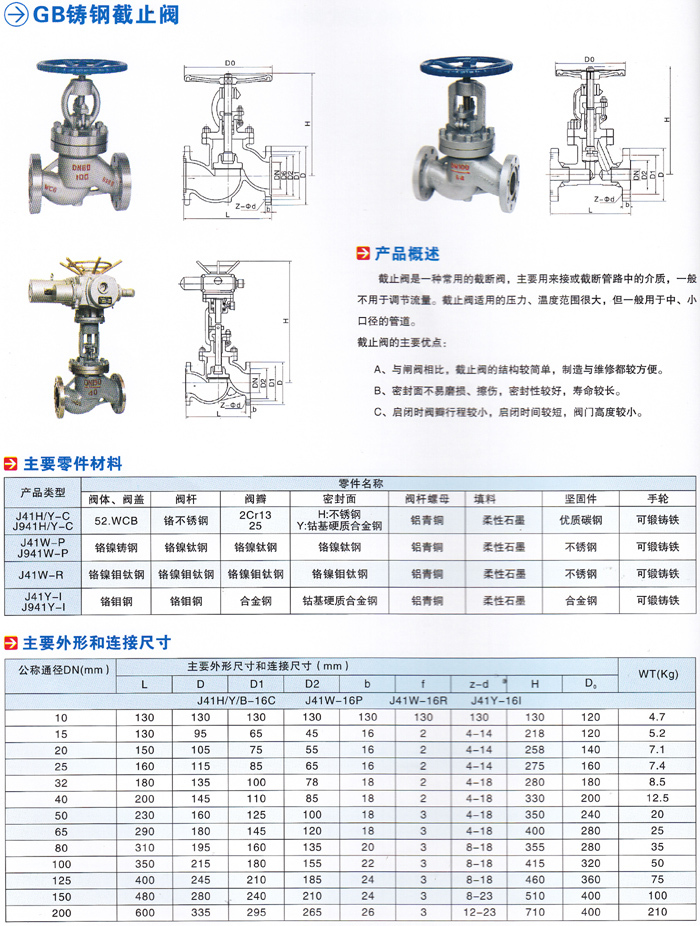 and energy loss during the opening and closing process, while low resistance, high-sealing energy-saving valves such as ball valves and butterfly valves can effectively reduce pressure loss during fluid transmission, thereby reducing the power consumption of pumps or fans. In addition, the rational application of electrically adjustable valves and self-powered regulating valves can achieve precise control of system flow and pressure, avoiding energy waste.
Secondly, the application of intelligent control technology is a key factor in valve energy saving. Modern buildings increasingly adopt Building Automation Systems (BAS), which, through sensors and automation control technology, can adjust the opening of valves in real time, ensuring that the system always operates at the optimal condition. For example, in air conditioning systems, automatically adjusting the flow of chilled water or cooling water according to the indoor and outdoor temperature changes can not only improve comfort but also significantly reduce energy consumption.
Moreover, regular maintenance and optimization of operation strategies also contribute to improving the energy efficiency of valves. Valves that have been in use for a long time may experience leakage, blockage, and other problems, leading to a decrease in system efficiency. Regular inspections and cleaning, as well as timely replacement of aging components, can maintain the good performance of valves. At the same time, formulating reasonable operation schedules and load regulation strategies based on the actual use of buildings can also effectively reduce unnecessary energy consumption.
Finally, promoting the use of new energy-saving materials and technologies is also a future development direction. For example, using valve materials with thermal insulation and heat preservation properties can reduce heat loss; applying nanocoating technology to enhance the wear resistance and sealing performance of valves can extend their service life, thereby indirectly achieving energy-saving goals.
In summary, the energy saving of building valves not only depends on the improvement of the product's performance, but also requires the coordinated efforts of system design, automatic control, and operation and maintenance management. With the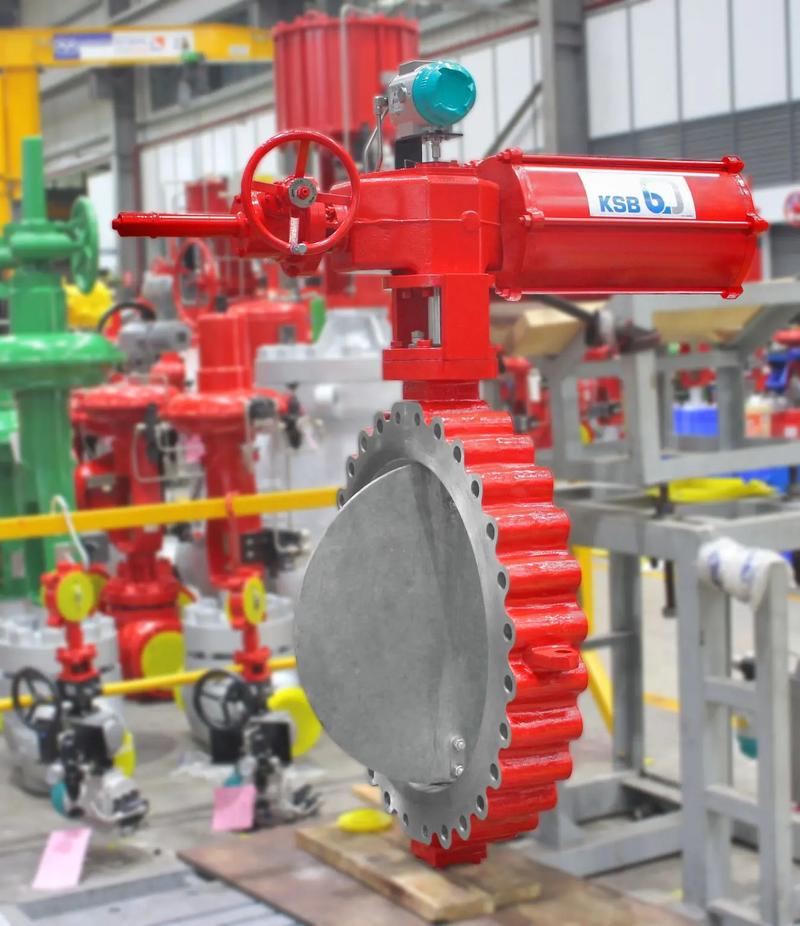 continuous increase in energy-saving requirements for buildings, energy-saving valves will play an increasingly important role in green buildings and sustainable development.
Firstly, the selection of energy-saving valves is crucial. Traditional valves have significant fluid resistance
and energy loss during the opening and closing process, while low resistance, high-sealing energy-saving valves such as ball valves and butterfly valves can effectively reduce pressure loss during fluid transmission, thereby reducing the power consumption of pumps or fans. In addition, the rational application of electrically adjustable valves and self-powered regulating valves can achieve precise control of system flow and pressure, avoiding energy waste.Secondly, the application of intelligent control technology is a key factor in valve energy saving. Modern buildings increasingly adopt Building Automation Systems (BAS), which, through sensors and automation control technology, can adjust the opening of valves in real time, ensuring that the system always operates at the optimal condition. For example, in air conditioning systems, automatically adjusting the flow of chilled water or cooling water according to the indoor and outdoor temperature changes can not only improve comfort but also significantly reduce energy consumption.
Moreover, regular maintenance and optimization of operation strategies also contribute to improving the energy efficiency of valves. Valves that have been in use for a long time may experience leakage, blockage, and other problems, leading to a decrease in system efficiency. Regular inspections and cleaning, as well as timely replacement of aging components, can maintain the good performance of valves. At the same time, formulating reasonable operation schedules and load regulation strategies based on the actual use of buildings can also effectively reduce unnecessary energy consumption.
Finally, promoting the use of new energy-saving materials and technologies is also a future development direction. For example, using valve materials with thermal insulation and heat preservation properties can reduce heat loss; applying nanocoating technology to enhance the wear resistance and sealing performance of valves can extend their service life, thereby indirectly achieving energy-saving goals.
In summary, the energy saving of building valves not only depends on the improvement of the product's performance, but also requires the coordinated efforts of system design, automatic control, and operation and maintenance management. With the
continuous increase in energy-saving requirements for buildings, energy-saving valves will play an increasingly important role in green buildings and sustainable development.




TOP
18914229323