
 18914229323
How to standardize the valve installation process
Inindustrialproduction,valves,askeycontrolcomponentsinthepipelinesystem,undertakevariousfunctionssuchasopeningandclosing,regulating,分流,andcheckback.Thequalityoftheirinstallationdirectlyaffectstheoper...
Hotline
In industrial production, valves, as key control components in the pipeline system, undertake various functions such as opening and closing, regulating,分流, and check back. The quality of their installation directly affects the operation efficiency, safety, and service life of the entire system. Therefore, the standard valve installation process is crucial.
One, preparation before installation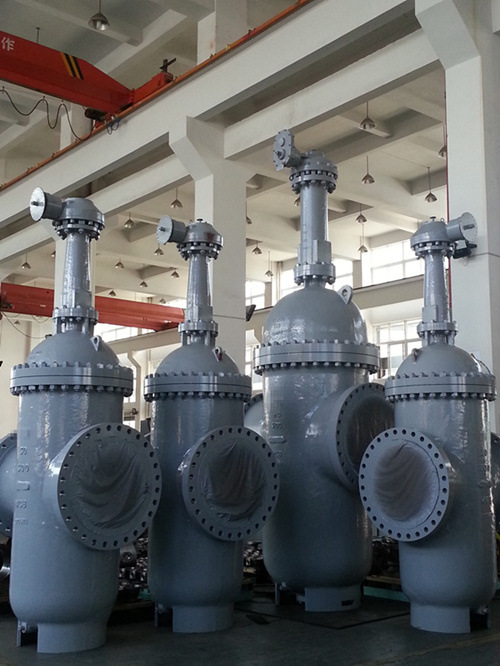
1. Technical data review: Construction personnel should be familiar with design drawings, equipment instructions, and relevant technical standards, and clearly understand the model, specification, connection method, and installation location of the valve.
2. Valve inspection: The incoming valves should be checked for appearance to ensure there are no defects such as damage and rust; at the same time, a pressure test should be carried out to verify whether the sealing and strength meet the requirements.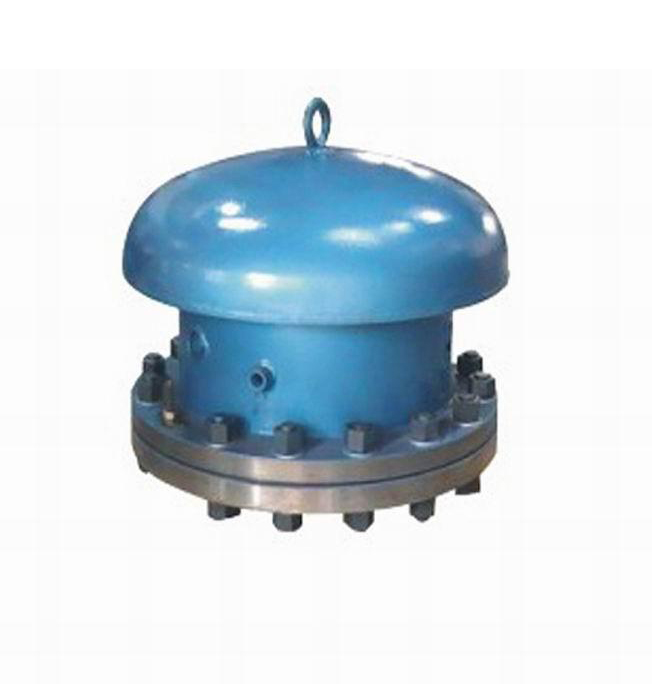 Valves that pass the test should be marked, and those that do not meet the requirements are strictly prohibited from being used.
3. Preparation of tools and materials: Prepare the corresponding installation tools, sealing materials, fasteners, etc. according to the type of valve and connection method to ensure the smooth progress of the installation process.
Two, technical requirements for the installation process
1. Correct installation location selection: Valves should be installed in locations that are convenient for operation and maintenance, avoiding installation at the low points or stress concentration areas of the pipeline. For horizontal pipelines, the valve stem should be vertical upward for easy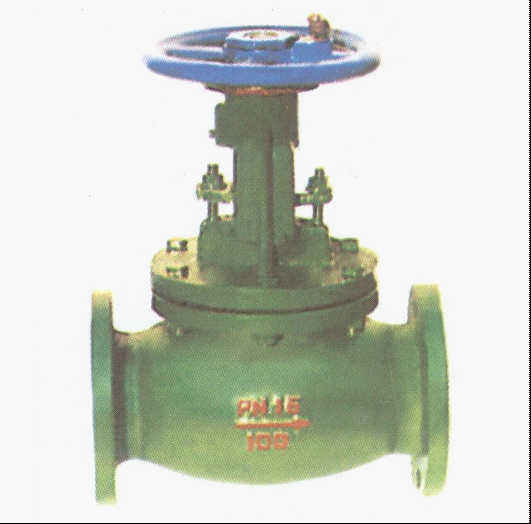 operation and maintenance.
2. Ensure the tightness of the connection: The flange connection should use the appropriate gasket, and the bolts should be tightened symmetrically according to the specified torque value; the welding connection should ensure the quality of the welding to prevent defects such as incomplete welding and slag; thread connections should use appropriate sealing materials, such as polytetrafluoroethylene tape or sealant.
3. Pay attention to the flow direction indication: Many valves (such as check valves, pressure reducing valves) have directional characteristics, and they must be installed in strict accordance with the medium flow direction indication on the valve body during installation; otherwise, it will affect their normal function.
4. Prevent foreign objects from entering: Prevent slag, sand, and other foreign objects from entering the valve during the installation process to avoid damaging the sealing surface or affecting the opening and closing performance.
Three, inspection and debugging after installation
1. External inspection: Check whether the valve installation is firm, whether there is leakage at the connection parts, and whether the operating mechanism is flexible and reliable.
2. Functional test: Perform opening and closing tests to check whether the valve operates flexibly and seals well; for regulating valves, it is also necessary to test whether their regulating performance meets the requirements.
3. System pressure test: After the overall pipeline system is completed, the system pressure test should be carried out in accordance with the specifications to ensure that there is no leakage under the working pressure of the valve.
Four, installation precautions
- It is strictly forbidden to use rough handling during the installation process to prevent valve damage caused by敲击, forced tightening, and other actions.
- For large-diameter or heavy-duty valves, supporting structures should be set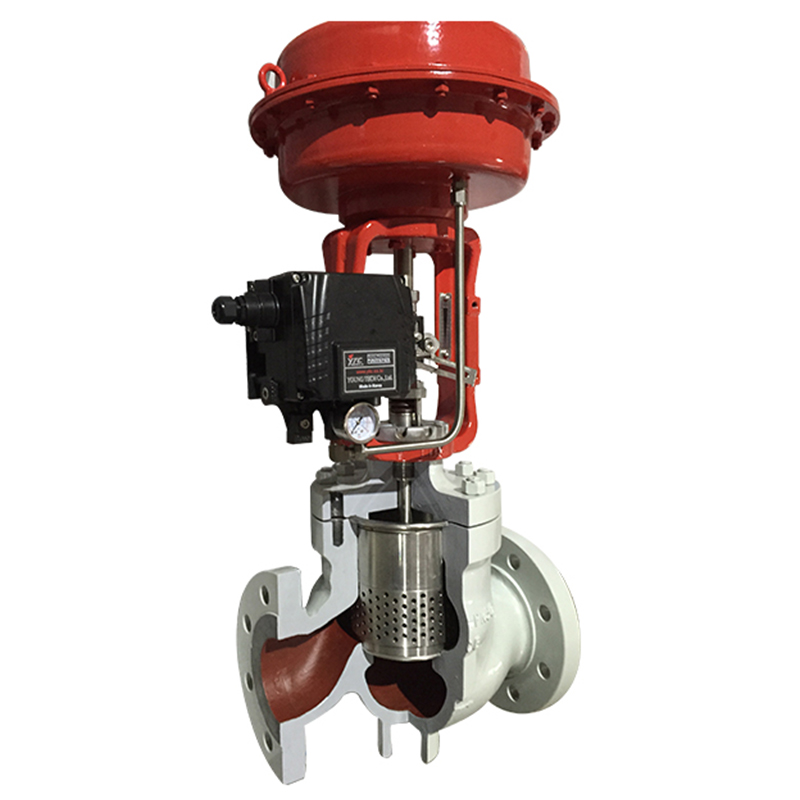 up to prevent pipeline deformation or valve sagging.
- When installing in high or low temperature environments, the influence of thermal stress should be considered, and corresponding compensation measures should be taken.
In summary, the standard valve installation process is not only related to the performance of the equipment itself, but also directly affects the safe and stable operation of the entire system. Therefore, the construction unit should strictly implement relevant standards and operation procedures to ensure that each installation process meets the technical requirements, thereby ensuring the efficient operation of the industrial system.
In industrial production, valves, as key control components in the pipeline system, undertake various functions such as opening and closing, regulating,分流, and check back. The quality of their installation directly affects the operation efficiency, safety, and service life of the entire system. Therefore, the standard valve installation process is crucial.
One, preparation before installation
1. Technical data review: Construction personnel should be familiar with design drawings, equipment instructions, and relevant technical standards, and clearly understand the model, specification, connection method, and installation location of the valve.
2. Valve inspection: The incoming valves should be checked for appearance to ensure there are no defects such as damage and rust; at the same time, a pressure test should be carried out to verify whether the sealing and strength meet the requirements.
Valves that pass the test should be marked, and those that do not meet the requirements are strictly prohibited from being used.3. Preparation of tools and materials: Prepare the corresponding installation tools, sealing materials, fasteners, etc. according to the type of valve and connection method to ensure the smooth progress of the installation process.
Two, technical requirements for the installation process
1. Correct installation location selection: Valves should be installed in locations that are convenient for operation and maintenance, avoiding installation at the low points or stress concentration areas of the pipeline. For horizontal pipelines, the valve stem should be vertical upward for easy
operation and maintenance.2. Ensure the tightness of the connection: The flange connection should use the appropriate gasket, and the bolts should be tightened symmetrically according to the specified torque value; the welding connection should ensure the quality of the welding to prevent defects such as incomplete welding and slag; thread connections should use appropriate sealing materials, such as polytetrafluoroethylene tape or sealant.
3. Pay attention to the flow direction indication: Many valves (such as check valves, pressure reducing valves) have directional characteristics, and they must be installed in strict accordance with the medium flow direction indication on the valve body during installation; otherwise, it will affect their normal function.
4. Prevent foreign objects from entering: Prevent slag, sand, and other foreign objects from entering the valve during the installation process to avoid damaging the sealing surface or affecting the opening and closing performance.
Three, inspection and debugging after installation
1. External inspection: Check whether the valve installation is firm, whether there is leakage at the connection parts, and whether the operating mechanism is flexible and reliable.
2. Functional test: Perform opening and closing tests to check whether the valve operates flexibly and seals well; for regulating valves, it is also necessary to test whether their regulating performance meets the requirements.
3. System pressure test: After the overall pipeline system is completed, the system pressure test should be carried out in accordance with the specifications to ensure that there is no leakage under the working pressure of the valve.
Four, installation precautions
- It is strictly forbidden to use rough handling during the installation process to prevent valve damage caused by敲击, forced tightening, and other actions.
- For large-diameter or heavy-duty valves, supporting structures should be set
up to prevent pipeline deformation or valve sagging.- When installing in high or low temperature environments, the influence of thermal stress should be considered, and corresponding compensation measures should be taken.
In summary, the standard valve installation process is not only related to the performance of the equipment itself, but also directly affects the safe and stable operation of the entire system. Therefore, the construction unit should strictly implement relevant standards and operation procedures to ensure that each installation process meets the technical requirements, thereby ensuring the efficient operation of the industrial system.




TOP
18914229323