
 18914229323
How to design the valve wear test
Inindustrialproduction,asakeycomponentforcontrollingtheflowoffluidmedium,theperformanceofthevalvedirectlyaffectsthesafetyandreliabilityoftheentiresystem.Withtheincreaseofservicetime,thesealingsurface...
Hotline
In industrial production, as a key component for controlling the flow of fluid medium, the performance of the valve directly affects the safety and reliability of the entire system. With the increase of service time, the sealing surface and moving parts of the valve will undergo varying degrees of wear under the action of frequent opening and closing and medium erosion, leading to problems such as leakage and control failure. Therefore, carrying out valve wear tests is of great significance for evaluating its service life and reliability.
One, Test Objective
The main purpose of the valve wear test is to simulate the working state of the valve under actual working conditions. By accelerating the wear process, it detects the sealing performance, change in opening and closing torque, and material wear, thereby evaluating the durability and service life of the valve.
Two, Test Principle
The core of the wear test is to simulate the medium pressure, temperature, flow rate, switching frequency, and corrosiveness that the valve withstands in actual use. Usually, a cyclic opening and closing method is adopted, combined with fluid erosion and mechanical friction, so that the valve experiences a wear process equivalent to long-term use in a short period of time.
Three, Test Equipment and System Composition
A complete valve wear test system usually includes the following several parts:
1. Driving device: Used to realize the automatic opening and closing of the valve, which can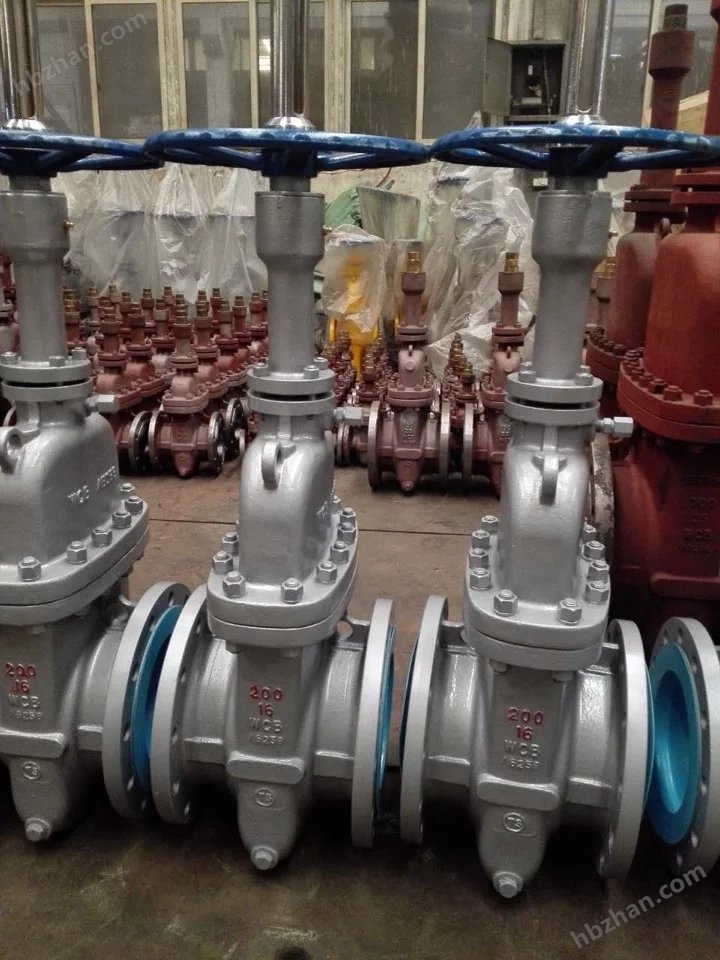 adjust the opening and closing frequency;
2. Medium circulation system: Provide a stable fluid medium (such as water, oil, air, or simulated medium), which can adjust pressure and flow rate;
3. Heating/cooling device: Simulate the effect of different temperature environments on the valve;
4. Data collection system: Real-time monitoring and recording of key parameters such as opening and closing torque, leakage amount, and surface wear;
5. Test chamber: Used for installing the tested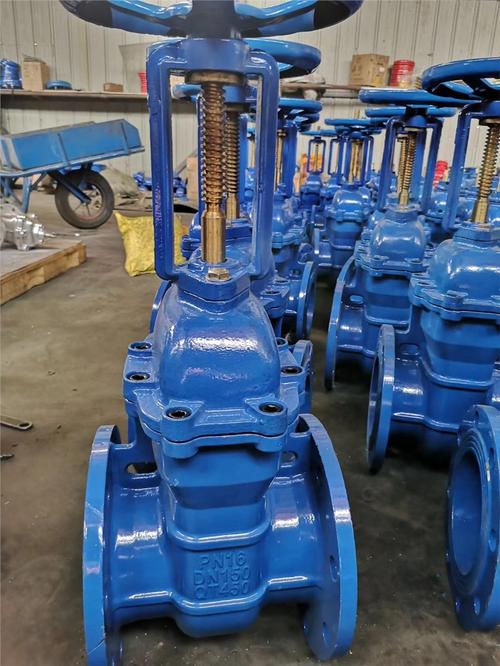 valve and ensuring the sealing performance.
Four, Test Parameter Setting
Before the test, reasonable test parameters should be set according to the specific working conditions, mainly including:
- Type of medium and pressure grade;
- Working temperature range;
- Opening and closing frequency (such as how many times per minute);
- Flow rate of medium and erosion angle;
- Wear cycle (total number of tests or time);
- Lubrication or dry friction state (depending on the working conditions).
Five, Key Detection Indicators
1. Change in leakage amount: Reflect the degradation of sealing performance;
2. Trend of change in opening and closing torque: judge the degree of wear of the moving parts;
3. Surface morphology analysis: Observe the wear condition of the sealing surface through a microscope;
4. Material loss amount: Quantitative analysis of wear mass loss;
5. Failure mode analysis: Summarize common failure causes to provide a basis for structural optimization.
Six, Conclusion
The valve wear test is an important means to evaluate its long-term performance. By scientifically and reasonably designing the test plan, it can effectively predict the service life of the valve, find potential problems, and provide strong support for material selection, structural optimization, and process improvement. In the future, with the development of intelligent detection technology, valve wear tests will become more automated and precise, providing a solid guarantee for the safety and reliability of industrial equipment operation.
In industrial production, as a key component for controlling the flow of fluid medium, the performance of the valve directly affects the safety and reliability of the entire system. With the increase of service time, the sealing surface and moving parts of the valve will undergo varying degrees of wear under the action of frequent opening and closing and medium erosion, leading to problems such as leakage and control failure. Therefore, carrying out valve wear tests is of great significance for evaluating its service life and reliability.
One, Test Objective
The main purpose of the valve wear test is to simulate the working state of the valve under actual working conditions. By accelerating the wear process, it detects the sealing performance, change in opening and closing torque, and material wear, thereby evaluating the durability and service life of the valve.
Two, Test Principle
The core of the wear test is to simulate the medium pressure, temperature, flow rate, switching frequency, and corrosiveness that the valve withstands in actual use. Usually, a cyclic opening and closing method is adopted, combined with fluid erosion and mechanical friction, so that the valve experiences a wear process equivalent to long-term use in a short period of time.
Three, Test Equipment and System Composition
A complete valve wear test system usually includes the following several parts:
1. Driving device: Used to realize the automatic opening and closing of the valve, which can
adjust the opening and closing frequency;2. Medium circulation system: Provide a stable fluid medium (such as water, oil, air, or simulated medium), which can adjust pressure and flow rate;
3. Heating/cooling device: Simulate the effect of different temperature environments on the valve;
4. Data collection system: Real-time monitoring and recording of key parameters such as opening and closing torque, leakage amount, and surface wear;
5. Test chamber: Used for installing the tested
valve and ensuring the sealing performance.Four, Test Parameter Setting
Before the test, reasonable test parameters should be set according to the specific working conditions, mainly including:
- Type of medium and pressure
grade;- Working temperature range;
- Opening and closing frequency (such as how many times per minute);
- Flow rate of medium and erosion angle;
- Wear cycle (total number of tests or time);
- Lubrication
or dry friction state (depending on the working conditions).Five, Key Detection Indicators
1. Change in leakage amount: Reflect the degradation of sealing performance;
2. Trend of change in opening and closing torque: judge the degree of wear of the moving parts;
3. Surface morphology analysis: Observe the wear condition of the sealing surface through a microscope;
4. Material loss amount: Quantitative analysis of wear mass loss;
5. Failure mode analysis: Summarize common failure causes to provide a basis for structural optimization.
Six, Conclusion
The valve wear test is an important means to evaluate its long-term performance. By scientifically and reasonably designing the test plan, it can effectively predict the service life of the valve, find potential problems, and provide strong support for material selection, structural optimization, and process improvement. In the future, with the development of intelligent detection technology, valve wear tests will become more automated and precise, providing a solid guarantee for the safety and reliability of industrial equipment operation.




TOP
18914229323