
 18914229323
How to control transient flow
Influiddynamicsandengineeringapplications,transientflowisacommonphenomenon,widelyexistinginpipelinesystems,hydraulicengineering,powersystems,andaerospacefields.Transientflowreferstotheprocesswherethe...
Hotline
In fluid dynamics and engineering applications, transient flow is a common phenomenon, widely existing in pipeline systems, hydraulic engineering, power systems, and aerospace fields. Transient flow refers to the process where the fluid flow state undergoes drastic changes within a short period of time, such as the sudden closure of valves, the sudden stop or start of pumps, and pipeline ruptures. Such changes often lead to pressure fluctuations, water hammer effects, and other phenomena, which may cause serious damage to the system. Therefore, studying and mastering the control methods of transient flow has important theoretical and practical significance.
1. Causes and Effects of Transient Flow
The generation of transient flow is usually related to the rapid changes of boundary conditions in the system. For example, in water supply systems, the sudden shutdown of pumps or the rapid closure of valves can cause a sharp decrease in fluid velocity, thereby triggering pressure waves propagating through pipelines, forming what is known as the 'water hammer' phenomenon. These pressure fluctuations not only cause pipeline vibration but may also lead to pipeline破裂, equipment damage, or even system failure.
In addition, in thermal systems or gas transmission systems, transient processes may also cause temperature changes, phase transitions, and flow instability, affecting the safety and efficiency of the system.
2. Main Control Strategies for Transient Flow
In order to effectively control the risks brought by transient flow, the following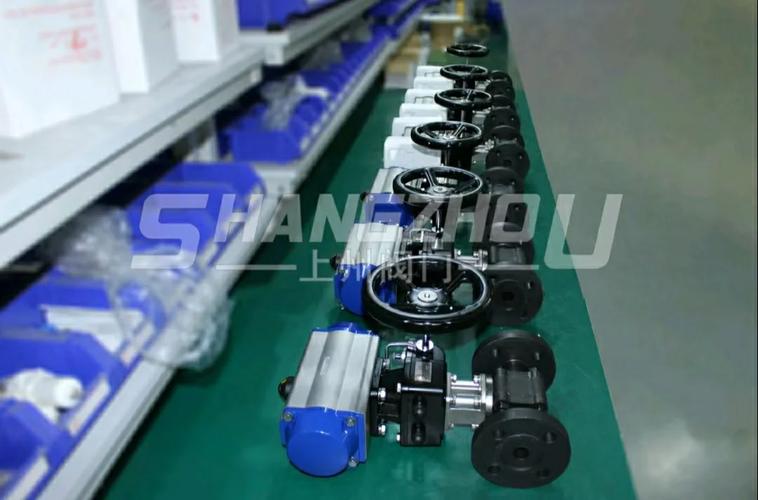 methods are often adopted in engineering practice:
1. Rational design of system boundary conditions
In the system design stage, it is necessary to consider possible transient factors, such as selecting appropriate valve types (such as slow-closing valves), reasonably arranging the location of pump stations, and adopting variable frequency control, etc. These measures can effectively reduce the speed of fluid velocity changes, thereby reducing the intensity of pressure fluctuations.
2. Install buffer devices
Installing buffer devices at key nodes is a common means of controlling transient flow. Devices such as air tanks, pressure regulating towers, and pressure relief valves can absorb or release pressure fluctuations and play a buffering role. For example, an air tank can compress the internal gas to absorb energy when the pressure rises, and release the stored gas to maintain flow stability when the pressure drops.
3. Use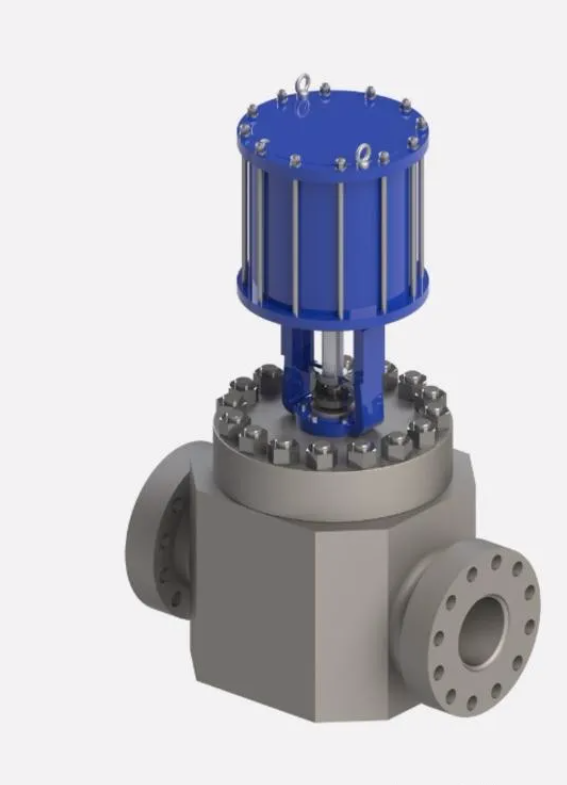 intelligent control systems
With the development of automation and intelligent control technology, more and more systems are beginning to adopt real-time monitoring and feedback regulation systems. By collecting real-time data such as pressure and flow rate through sensors, and combining dynamic adjustment of valves and pumps with PLC or DCS systems, it is possible to effectively suppress transient shocks.
4. Numerical Simulation and Prediction Analysis
Using CFD (Computational Fluid Dynamics) software or one-dimensional transient flow models for simulation and analysis of the system can help engineers predict the trend of pressure changes during the transient process, and optimize the design plan or formulate emergency response strategies accordingly.
3. Conclusion
Transient flow, as a complex form of fluid motion, its control not only concerns the safe and stable operation of the system, but also affects the economy and reliability of the entire project. With the development of science and technology, we can better understand and control transient flow phenomena through more advanced modeling techniques, intelligent algorithms, and engineering methods. In the future, with the further application of artificial intelligence and big data analysis, the prediction and control of transient flow will be more accurate and efficient, providing a stronger guarantee for various fluid systems.
In fluid dynamics and engineering applications, transient flow is a common phenomenon, widely existing in pipeline systems, hydraulic engineering, power systems, and aerospace fields. Transient flow refers to the process where the fluid flow state undergoes drastic changes within a short period of time, such as the sudden closure of valves, the sudden stop or start of pumps, and pipeline ruptures. Such changes often lead to pressure fluctuations, water hammer effects, and other phenomena, which may cause serious damage to the system. Therefore, studying and mastering the control methods of transient flow has important theoretical and practical significance.
1. Causes and Effects of Transient Flow
The generation of transient flow is usually related to the rapid changes of boundary conditions in the system. For example, in water supply systems, the sudden shutdown of pumps or the rapid closure of valves can cause a sharp decrease in fluid velocity, thereby triggering pressure waves propagating through pipelines, forming what is known as the 'water hammer' phenomenon. These pressure fluctuations not only cause pipeline vibration but may also lead to pipeline破裂, equipment damage, or even system failure.
In addition, in thermal systems or gas transmission systems, transient processes may also cause temperature changes, phase transitions, and flow instability, affecting the safety and efficiency of the system.
2. Main Control Strategies for Transient Flow
In order to effectively control the risks brought by transient flow, the following
methods are often adopted in engineering practice:1. Rational design of system boundary conditions
In the system design stage, it is necessary to consider possible transient factors, such as selecting appropriate valve types (such as slow-closing valves), reasonably arranging the location of pump stations, and adopting variable frequency control, etc. These measures can effectively reduce the speed of fluid velocity changes, thereby reducing the intensity of pressure fluctuations.
2. Install buffer devices
Installing buffer devices at key nodes is a common means of controlling transient flow. Devices such as air tanks, pressure regulating towers, and pressure relief valves can absorb or release pressure fluctuations and play a buffering role. For example, an air tank can compress the internal gas to absorb energy when the pressure rises, and release the stored gas to maintain flow stability when the pressure drops.
3. Use
intelligent control systemsWith the development of automation and intelligent control technology, more and more systems are beginning to adopt real-time monitoring and feedback regulation systems. By collecting real-time data such as pressure and flow rate through sensors, and combining dynamic adjustment of valves and pumps with PLC or DCS systems, it is possible to effectively suppress transient shocks.
4. Numerical Simulation and Prediction Analysis
Using CFD (Computational Fluid Dynamics) software or one-dimensional transient flow models for simulation and analysis of the system can help engineers predict the trend of pressure changes during the transient process, and optimize the design plan or formulate emergency response strategies accordingly.
3. Conclusion
Transient flow, as a complex form of fluid motion, its control not only concerns the safe and stable operation of the system, but also affects the economy and reliability of the entire project. With the development of science and technology, we can better understand and control transient flow phenomena through more advanced modeling techniques, intelligent algorithms, and engineering methods. In the future, with the further application of artificial intelligence and big data analysis, the prediction and control of transient flow will be more accurate and efficient, providing a stronger guarantee for various fluid systems.




TOP
18914229323