
 18914229323

How to prepare alloy materials
TheBasicPrinciplesofAlloyCompositionThecoreofalloycompositionliesinachievingtheoptimizationofmaterialpropertiesthroughthereasonableselectionofelementcompositionanditsproportion.Theadditionofalloyelem...
Hotline
The Basic Principles of Alloy Composition
The core of alloy composition lies in achieving the optimization of material properties through the reasonable selection of element composition and its proportion. The addition of alloy elements can improve the strength, hardness, wear resistance, corrosion resistance, and processing properties of metals. For example, steel is an alloy of iron and carbon, and the content of carbon directly affects the hardness and toughness of steel; the addition of copper and magnesium to aluminum alloys can improve their strength; the addition of aluminum and vanadium to titanium alloys can enhance their high-temperature strength and corrosion resistance.
The properties of alloys not only depend on the types and contents of elements but are also closely related to their microstructure. Therefore, in the process of alloy design, it is necessary to comprehensively consider factors such as heat treatment processes and forming methods to achieve the optimal performance.
Two, Main Methods of Alloy Preparation
1. Melting Method
Melting is one of the most common methods of alloy preparation, usually carried out in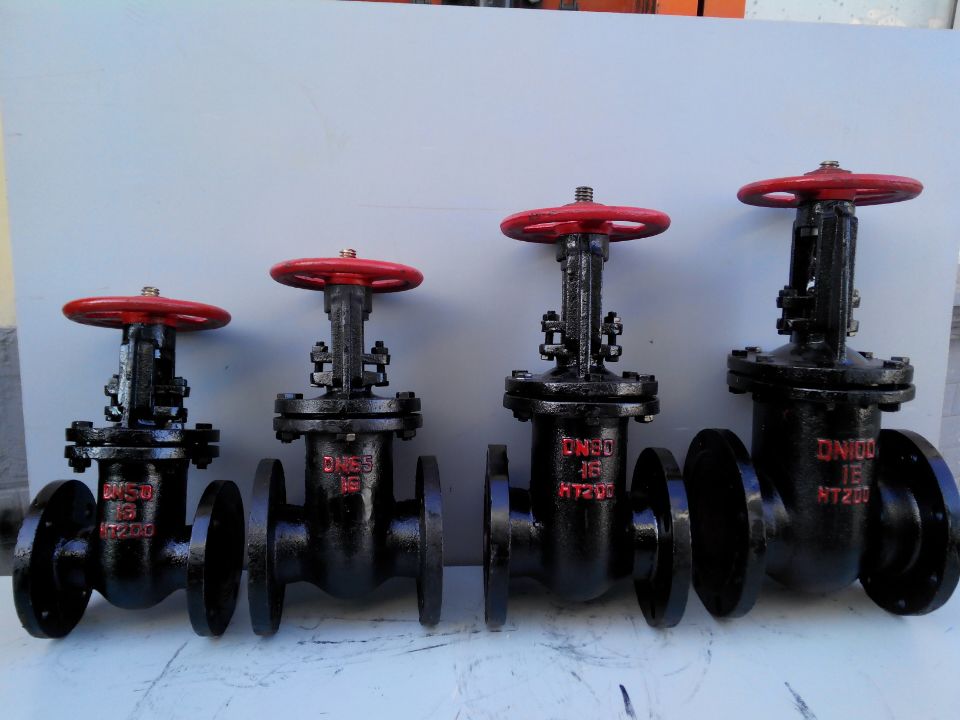 an electric furnace or induction furnace. The raw metal is heated to above its melting point in proportion, melted and mixed uniformly, and then cast into ingots. This method is suitable for most metal alloys, such as steel, copper alloys, and aluminum alloys.
2. Powder Metallurgy Method
Powder metallurgy is a method of forming by mixing metal powders in a certain proportion, pressing them, and sintering them. This method is suitable for high melting point metals or alloys that are difficult to obtain through melting, such as hard metals (such as tungsten carbide) and high-temperature alloys.
3. Casting and Continuous Casting Technology
In industrial production, after the alloy is melted, it is usually cast or continuously cast to form. By controlling the cooling rate and the solidification process, the grain structure and properties of the alloy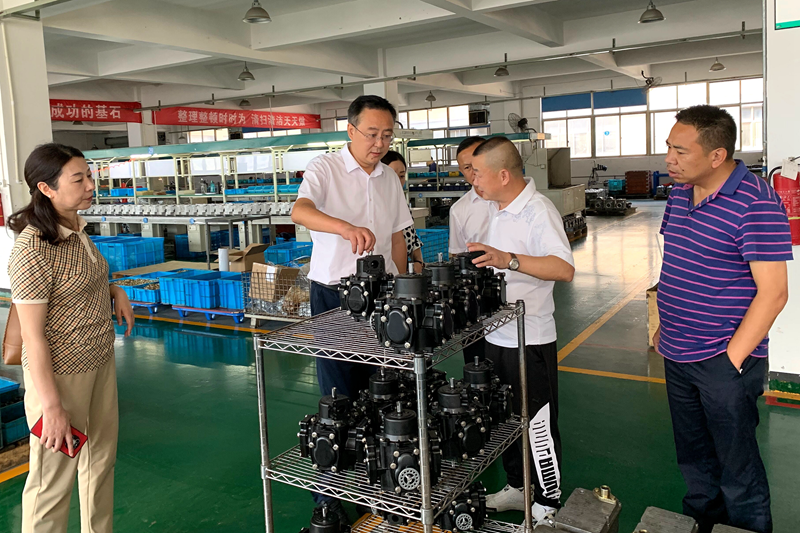 can be regulated.
4. Heat Treatment Technology
After the preparation of alloys is completed, it is usually necessary to carry out heat treatment (such as annealing, quenching, and tempering) to further optimize their properties. A reasonable heat treatment system can improve the mechanical properties of alloys and extend their service life.
Three, Application Examples of Alloy Preparation
Taking stainless steel as an example, it is mainly composed of iron, chromium, and nickel, with a chromium content of generally more than 10.5%, which can form a dense oxide film, giving stainless steel excellent corrosion resistance. By adjusting the proportions of elements such as nickel, molybdenum, and titanium, stainless steel products suitable for different environmental conditions can be manufactured, such as austenitic stainless steel, martensitic stainless steel, and ferritic stainless steel, etc.
For example, high-temperature alloys are widely used in aeroengine blades. These alloys are mostly based on nickel or cobalt systems and are added with elements such as aluminum, titanium, and tungsten, allowing them to maintain high strength and good oxidation resistance at high temperatures.
Four, Future Development Trends
With the development of science and technology, new types of alloy materials are constantly emerging, including high-entropy alloys, amorphous alloys, and nanocrystalline alloys. These new alloys show advantages that traditional alloys cannot reach in terms of strength, corrosion resistance, and conductivity. In the future, with the help of computer simulation, artificial intelligence, and other technical means, alloy design will be more accurate and efficient, promoting the advancement of materials science to a higher level.
Conclusion
The preparation of alloy materials is a comprehensive technology that integrates knowledge from materials science, chemistry, and engineering. Scientific and rational alloy design can not only improve the performance of materials but also expand their application fields. With the continuous growth of modern industry's demand for high-performance materials, the research and development of alloys will continue to be an important direction in materials science.
The Basic Principles of Alloy Composition
The core of alloy composition lies in achieving the optimization of material properties through the reasonable selection of element composition and its proportion. The addition of alloy elements can improve the strength, hardness, wear resistance, corrosion resistance, and processing properties of metals. For example, steel is an alloy of iron and carbon, and the content of carbon directly affects the hardness and toughness of steel; the addition of copper and magnesium to aluminum alloys can improve their strength; the addition of aluminum and vanadium to titanium alloys can enhance their high-temperature strength and corrosion resistance.
The properties of alloys not only depend on the types and contents of elements but are also closely related to their microstructure. Therefore, in the process of alloy design, it is necessary to comprehensively consider factors such as heat treatment processes and forming methods to achieve the optimal performance.
Two, Main Methods of Alloy Preparation
1. Melting Method
Melting is one of the most common methods of alloy preparation, usually carried out in
an electric furnace or induction furnace. The raw metal is heated to above its melting point in proportion, melted and mixed uniformly, and then cast into ingots. This method is suitable for most metal alloys, such as steel, copper alloys, and aluminum alloys.2. Powder Metallurgy Method
Powder metallurgy is a method of forming by mixing metal powders in a certain proportion, pressing them, and sintering them. This method is suitable for high melting point metals or alloys that are difficult to obtain through melting, such as hard metals (such as tungsten carbide) and high-temperature alloys.
3. Casting and Continuous Casting Technology
In industrial production, after the alloy is melted, it is usually cast or continuously cast to form. By controlling the cooling rate and the solidification process, the grain structure and properties of the alloy
can be regulated.4. Heat Treatment Technology
After the preparation of alloys is completed, it is usually necessary to carry out heat treatment (such as annealing, quenching, and tempering) to further optimize their properties. A reasonable heat treatment system can improve the mechanical properties of alloys and extend their service life.
Three, Application Examples of Alloy Preparation
Taking stainless steel as an example, it is mainly composed of iron, chromium, and nickel, with a chromium content of generally more than 10.5%, which can form a dense oxide film, giving stainless steel excellent corrosion resistance. By adjusting the proportions of elements such as nickel, molybdenum, and titanium, stainless steel products suitable for different environmental conditions can be manufactured, such as austenitic stainless steel, martensitic stainless steel, and ferritic stainless steel, etc.
For example, high-temperature alloys are widely used in aeroengine blades. These alloys are mostly based on nickel or cobalt systems and are added with elements such as aluminum, titanium, and tungsten, allowing them to maintain high strength and good oxidation resistance at high temperatures.
Four, Future Development Trends
With the development of science and technology, new types of alloy materials are constantly emerging, including high-entropy alloys, amorphous alloys, and nanocrystalline alloys. These new alloys show advantages that traditional alloys cannot reach in terms of strength, corrosion resistance, and conductivity. In the future, with the help of computer simulation, artificial intelligence, and other technical means, alloy design will be more accurate and efficient, promoting the advancement of materials science to a higher level.
Conclusion
The preparation of alloy materials is a comprehensive technology that integrates knowledge from materials science, chemistry, and engineering. Scientific and rational alloy design can not only improve the performance of materials but also expand their application fields. With the continuous growth of modern industry's demand for high-performance materials, the research and development of alloys will continue to be an important direction in materials science.




TOP
18914229323