
 18914229323

How to implement valve surface treatment
Inindustrialequipment,valvesasimportantcomponentsforfluidcontrolarewidelyusedinthepetrochemical,chemical,power,metallurgical,andotherindustries.Toenhancethecorrosionresistance,wearresistance,andappea...
Hotline
In industrial equipment, valves as important components for fluid control are widely used in the petrochemical, chemical, power, metallurgical, and other industries. To enhance the corrosion resistance, wear resistance, and appearance quality of valves, surface treatment processes are particularly important. This article will discuss the implementation methods of valve surface treatment.
One, Purposes of Valve Surface Treatment
Valves usually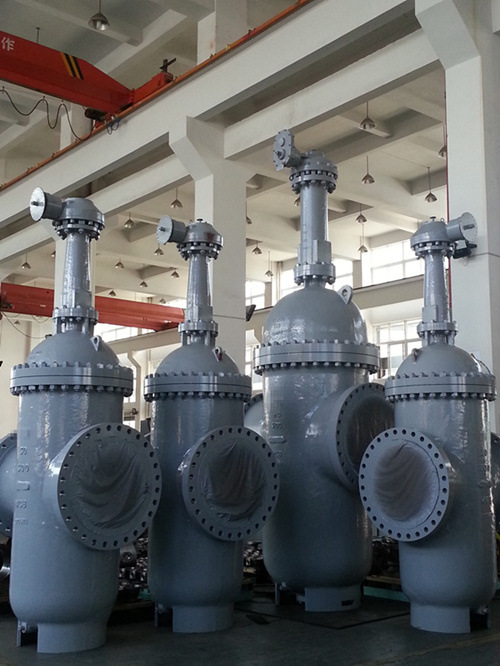 operate in high temperature, high pressure, or corrosive media, and the surface quality directly affects their service life and sealing performance. Surface treatment can achieve the following purposes:
1. Improve the corrosion resistance of valves;
2. Enhance surface hardness and wear resistance;
3. Improve appearance and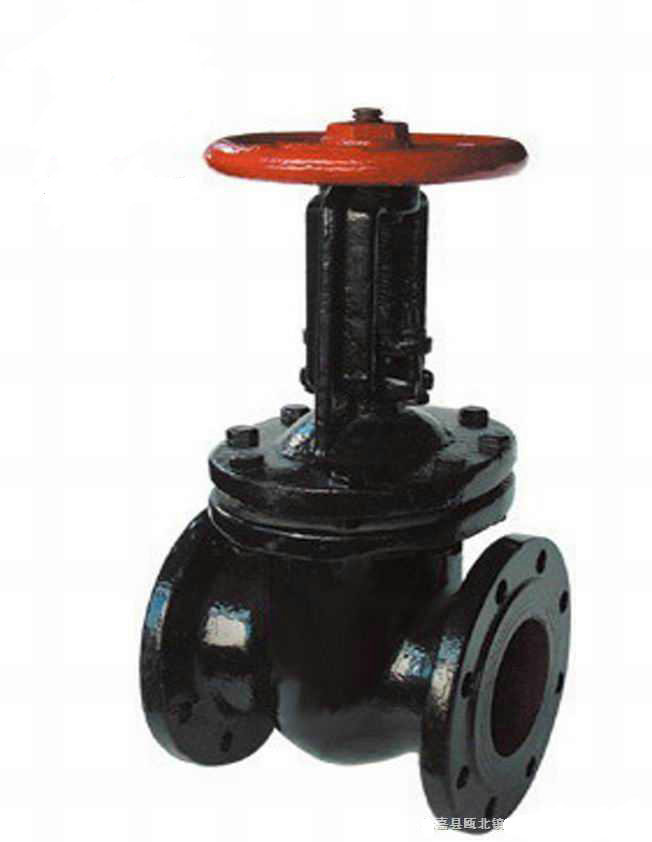 enhance product grade;
4. Improve the bonding force with coatings or other materials.
Two, Main Methods of Valve Surface Treatment
1. Shot Blasting and Sandblasting Treatment
Shot blasting and sandblasting are common surface cleaning methods, mainly used to remove oxidation scales, rust, oil, and other impurities from the surface of valves, making the surface rough and providing a good bonding basis for subsequent coatings or plating.
2. Electroplating Treatment
Electroplating is a method of depositing a metal layer on the surface of valves through electrolysis. Common types include zinc plating, nickel plating, and chrome plating. This method can effectively improve the corrosion resistance and aesthetic appearance of valves, making it suitable for protective treatment of carbon steel valves.
3. Electroless Nickel Plating
Electroless nickel plating does not rely on electricity but forms a nickel-phosphorus alloy layer on the metal surface through reduction reactions in a chemical solution. Its advantages include good coverage, high hardness, and strong corrosion resistance, making it suitable for complex-shaped valve components.
4. Thermal Spraying
Thermal spraying involves heating metal or ceramic materials to a molten state and then spraying them at high speed onto the valve surface to form a coating. It is commonly used for surface protection of valves with high temperatures and severe wear, such as ball valves and gate valves.
5. Nitriding and Boriding Treatment
Nitriding and boriding are effective means to improve the hardness of metal surfaces. By permeating nitrogen or boron elements into the metal surface at high temperatures, the wear resistance and corrosion resistance are enhanced, which is suitable for stainless steel or alloy steel valves.
6. Painting Treatment
Painting treatment is usually used for valves in non-metallic or mild corrosion environments. Common coatings include epoxy resin, polyurethane, etc. Painting not only prevents corrosion but can also be used for color marking as needed, facilitating management and identification.
Three, Criteria for the Selection of Surface Treatment Processes
In practical applications, surface treatment processes should be selected comprehensively based on the working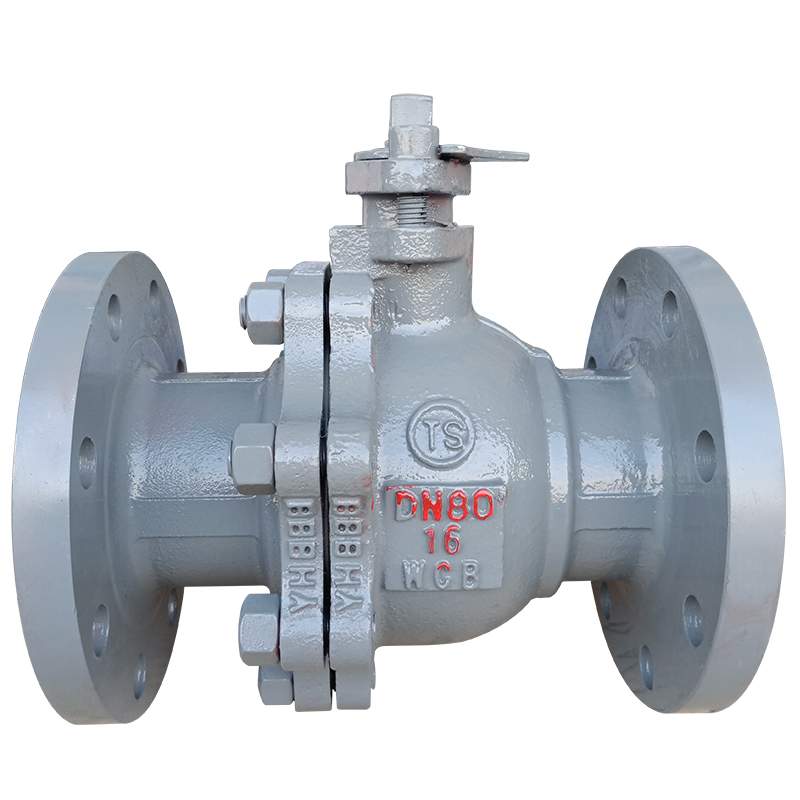 environment, material,
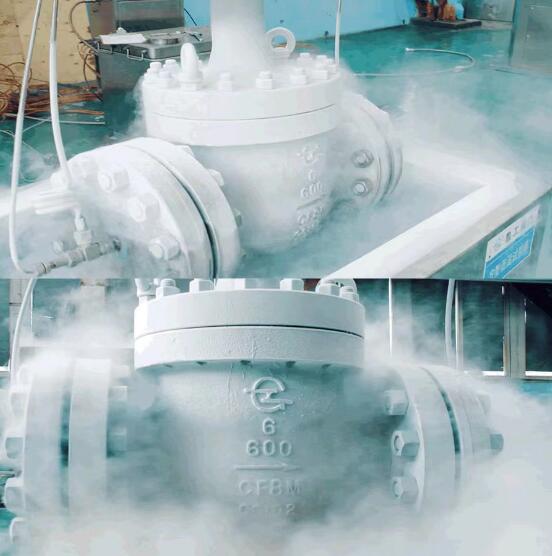 cost, and performance requirements of valves. For example, in environments with strong corrosion, electroless nickel plating or electroplating should be given priority; while in high temperature and high pressure conditions, nitriding or thermal spraying is more suitable.
Four, Conclusion
With the development of industrial technology, the requirements for valve performance are increasingly stringent. Scientific and reasonable surface treatment processes not only extend the service life of valves but also significantly improve their performance. Therefore, in the valve manufacturing process, it is essential to attach great importance to the surface treatment phase, select appropriate process schemes in accordance with actual needs, to ensure product quality and operational reliability.
In industrial equipment, valves as important components for fluid control are widely used in the petrochemical, chemical, power, metallurgical, and other industries. To enhance the corrosion resistance, wear resistance, and appearance quality of valves, surface treatment processes are particularly important. This article will discuss the implementation methods of valve surface treatment.
One, Purposes of Valve Surface Treatment
Valves usually
operate in high temperature, high pressure, or corrosive media, and the surface quality directly affects their service life and sealing performance. Surface treatment can achieve the following purposes:1. Improve the corrosion resistance of valves;
2. Enhance surface hardness and wear resistance;
3. Improve appearance and
enhance product grade;4. Improve the bonding force with coatings or other materials.
Two, Main Methods of Valve Surface Treatment
1. Shot Blasting and Sandblasting Treatment
Shot blasting and sandblasting are common surface cleaning methods, mainly used to remove oxidation scales, rust, oil, and other impurities from the surface of valves, making the surface rough and providing a good bonding basis for subsequent coatings or plating.
2. Electroplating Treatment
Electroplating is a method of depositing a metal layer on the surface of valves through electrolysis. Common types include zinc plating, nickel plating, and chrome plating. This method can effectively improve the corrosion resistance and aesthetic appearance of valves, making it suitable for protective treatment of carbon steel valves.
3. Electroless Nickel Plating
Electroless nickel plating does not rely on electricity but forms a nickel-phosphorus alloy layer on the metal surface through reduction reactions in a chemical solution. Its advantages include good coverage, high hardness, and strong corrosion resistance, making it suitable for complex-shaped valve components.
4. Thermal Spraying
Thermal spraying involves heating metal or ceramic materials to a molten state and then spraying them at high speed onto the valve surface to form a coating. It is commonly used for surface protection of valves with high temperatures and severe wear, such as ball valves and gate valves.
5. Nitriding and Boriding Treatment
Nitriding and boriding are effective means to improve the hardness of metal surfaces. By permeating nitrogen or boron elements into the metal surface at high temperatures, the wear resistance and corrosion resistance are enhanced, which is suitable for stainless steel or alloy steel valves.
6. Painting Treatment
Painting treatment is usually used for valves in non-metallic or mild corrosion environments. Common coatings include epoxy resin, polyurethane, etc. Painting not only prevents corrosion but can also be used for color marking as needed, facilitating management and identification.
Three, Criteria for the Selection of Surface Treatment Processes
In practical applications, surface treatment processes should be selected comprehensively based on the working
environment, material, cost, and performance requirements of valves. For example, in environments with strong corrosion, electroless nickel plating or electroplating should be given priority; while in high temperature and high pressure conditions, nitriding or thermal spraying is more suitable.Four, Conclusion
With the development of industrial technology, the requirements for valve performance are increasingly stringent. Scientific and reasonable surface treatment processes not only extend the service life of valves but also significantly improve their performance. Therefore, in the valve manufacturing process, it is essential to attach great importance to the surface treatment phase, select appropriate process schemes in accordance with actual needs, to ensure product quality and operational reliability.




TOP
18914229323