
 18914229323

How to make metallurgical valves wear-resistant
First,materialselectionisthefoundationofwearresistanceThematerialselectionofmetallurgicalvalvesdirectlyaffectstheirwearresistance.Commonlyusedwear-resistantmaterialsincludehigh-chromiumcastiron,tungs...
Hotline
First, material selection is the foundation of wear resistance
The material selection of metallurgical valves directly affects their wear resistance. Commonly used wear-resistant materials include high-chromium cast iron, tungsten carbide, ceramic materials, and various alloy steels. Among them, high-chromium cast iron, due to its excellent wear resistance, is widely used in working conditions with particle-containing media; tungsten carbide has an extremely high hardness and wear resistance and is often used for surfacing treatment of key sealing surfaces; ceramic materials are used in some high-end valves due to their excellent corrosion and wear resistance. Rational material selection can not only improve the valve life but also reduce maintenance costs.
Second, structural design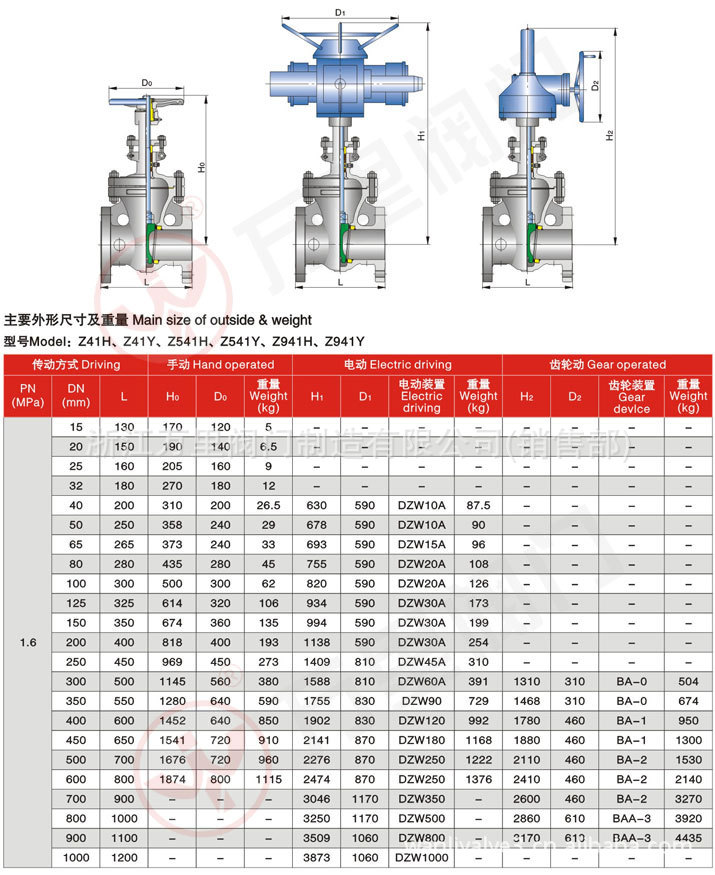 optimization improves wear resistance
In the structural design of valves, it is necessary to minimize the erosion and wear of the medium on the internal surface of the valve. For example, the use of streamlined channel design can effectively reduce the impact of the fluid on the valve body, reduce wear; optimizing the angle and fit of the valve disc and seat can reduce friction and impact during the opening and closing process; in addition, setting wear-resistant bushes or using double eccentric or triple eccentric structures can also help to disperse the impact force of the medium, extend the service life.
Third, surface treatment technology enhances wear resistance
Surface treatment technology is also an important means to improve the wear resistance of metallurgical valves. Common treatment methods include thermal spraying, surfacing, nitriding, and electroplating. By spraying tungsten carbide or ceramic coatings on the valve disc, seat, or inner wall of the valve body, the surface hardness and wear resistance of the components can be significantly improved. Surfacing technology can add a layer of high-hardness wear-resistant coating to the original metal matrix, thereby enhancing the overall wear resistance.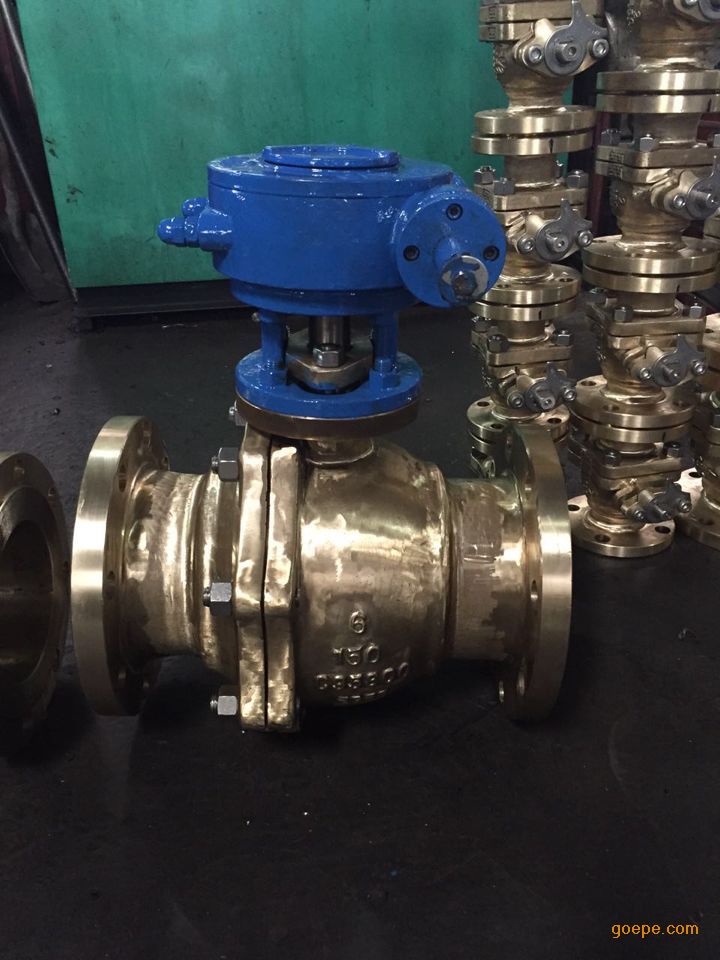
Fourth, reasonable use and maintenance are equally important
Even if the valve itself has good wear resistance, improper use or timely maintenance can also affect its service life. Therefore, in actual operation, operations should be carried out strictly according to the operation procedures, avoiding frequent impacts; regularly check the wear condition of the valve, and replace wearing parts in time; keep the medium clean to reduce the wear effect of solid particles on the valve.
Conclusion
In summary, improving the wear resistance of metallurgical valves is a systematic project that requires comprehensive consideration from multiple aspects such as material selection, structural design, surface treatment, and daily maintenance. With the continuous development of the metallurgical industry, the performance requirements for valves will also become increasingly higher. By continuously improving the wear resistance of valves through technological innovation and process optimization, we can provide a strong guarantee for the safe and efficient operation of metallurgical equipment.
First, material selection is the foundation of wear resistance
The material selection of metallurgical valves directly affects their wear resistance. Commonly used wear-resistant materials include high-chromium cast iron, tungsten carbide, ceramic materials, and various alloy steels. Among them, high-chromium cast iron, due to its excellent wear resistance, is widely used in working conditions with particle-containing media; tungsten carbide has an extremely high hardness and wear resistance and is often used for surfacing treatment of key sealing surfaces; ceramic materials are used in some high-end valves due to their excellent corrosion and wear resistance. Rational material selection can not only improve the valve life but also reduce maintenance costs.
Second, structural design
optimization improves wear resistanceIn the structural design of valves, it is necessary to minimize the erosion and wear of the medium on the internal surface of the valve. For example, the use of streamlined channel design can effectively reduce the impact of the fluid on the valve body, reduce wear; optimizing the angle and fit of the valve disc and seat can reduce friction and impact during the opening and closing process; in addition, setting wear-resistant bushes or using double eccentric or triple eccentric structures can also help to disperse the impact force of the medium, extend the service life.
Third, surface treatment technology enhances wear resistance
Surface treatment technology is also an important means to improve the wear resistance of metallurgical valves. Common treatment methods include thermal spraying, surfacing, nitriding, and electroplating. By spraying tungsten carbide or ceramic coatings on the valve disc, seat, or inner wall of the valve body, the surface hardness and wear resistance of the components can be significantly improved. Surfacing technology can add a layer of high-hardness wear-resistant coating to the original metal matrix, thereby enhancing the overall wear resistance.
Fourth, reasonable use and maintenance are equally important
Even if the valve itself has good wear resistance, improper use or timely maintenance can also affect its service life. Therefore, in actual operation, operations should be carried out strictly according to the operation procedures, avoiding frequent impacts; regularly check the wear condition of the valve, and replace wearing parts in time; keep the medium clean to reduce the wear effect of solid particles on the valve.
Conclusion
In summary, improving the wear resistance of metallurgical valves is a systematic project that requires comprehensive consideration from multiple aspects such as material selection, structural design, surface treatment, and daily maintenance. With the continuous development of the metallurgical industry, the performance requirements for valves will also become increasingly higher. By continuously improving the wear resistance of valves through technological innovation and process optimization, we can provide a strong guarantee for the safe and efficient operation of metallurgical equipment.




TOP
18914229323