
 18914229323

How to apply abrasive materials
Abrasivematerialsareaclassofmaterialswithexcellentwearresistance,playingacrucialroleinindustrialproductionandmachineryequipment.Withthecontinuousdevelopmentofmodernindustrialtechnology,therequirement...
Hotline
Abrasive materials are a class of materials with excellent wear resistance, playing a crucial role in industrial production and machinery equipment. With the continuous development of modern industrial technology, the requirements for equipment operation efficiency and service life are becoming increasingly higher, and the application of abrasive materials is also becoming more and more extensive. This article will discuss the types of abrasive materials, their performance characteristics, and their applications in various fields.
1. Common types of abrasive-resistant materials
Abrasive-resistant materials mainly include three categories: metal abrasive-resistant materials, ceramic abrasive-resistant materials, and polymer abrasive-resistant materials. Among them, metal abrasive-resistant materials such as high-chromium cast iron and wear-resistant alloy steel have high strength and good toughness, and are widely used in mining machinery and crushing equipment. Ceramic abrasive-resistant materials such as alumina ceramics and silicon carbide ceramics have high hardness, high-temperature resistance, and corrosion resistance, and are suitable for high-temperature wear environments. High molecular weight polymer abrasive-resistant materials such as polyurethane and ultra-high molecular weight polyethylene (UHMWPE) are widely used in conveyor belts, pipeline linings, and other fields due to their light weight, low friction coefficient, and good impact resistance.
2. Performance characteristics of abrasive-resistant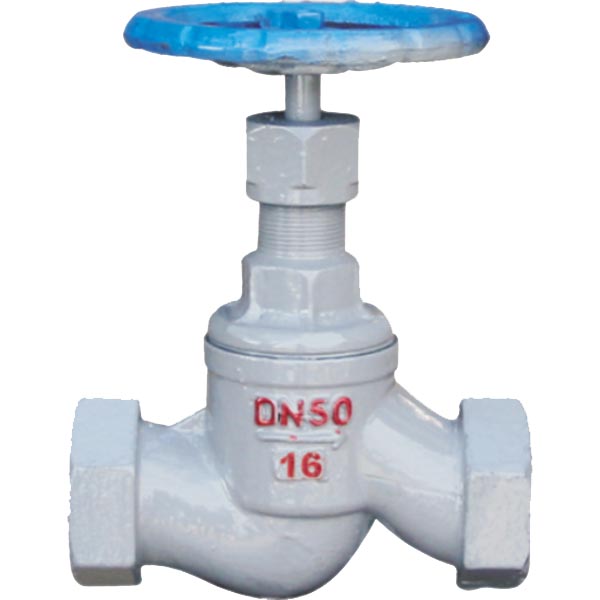 materials
The core characteristic of abrasive-resistant materials is their excellent wear resistance, which not only includes resistance to friction and wear but also comprehensive resistance to various wear forms such as impact wear and corrosion wear. In addition, wear resistance is often closely related to the hardness, toughness, and microstructure of the material. For example, high-hardness materials usually have better wear resistance, but if the toughness is insufficient, it is prone to brittle fracture. Therefore, in practical applications, it is necessary to select appropriate material combinations according to specific working conditions.
3. Application fields of abrasive-resistant materials
Abrasive-resistant materials are widely used in many industries such as mining, metallurgy, electricity, building materials, and transportation:
1. Mining machinery: The use of abrasive-resistant linings, hammers, and other components in equipment such as crushers and ball mills can significantly extend the service life of the equipment.
2. Thermal power plants: Due to long-term contact with coal powder, parts such as coal conveying systems and coal mills in thermal power plants are severely worn. The use of abrasive-resistant ceramics or alloys can effectively improve system stability.
3. Cement industry: Abrasive-resistant materials are used to protect key parts from material erosion in equipment such as cement mills and separator machines.
4. Transportation: The hooks, wheel-rail systems of railway vehicles, and the bottom of truck cargo boxes are often made of abrasive-resistant steel to improve wear resistance.
5. Chemical equipment: Some high molecular weight abrasive-resistant materials are widely used in pumps, valves, and pipeline systems due to their corrosion resistance and self-lubricating properties.
4. Future Development Trends
With the progress of material science, abrasive-resistant materials are developing towards high-performance, composite, and green directions. For example, the research and development of nano-enhanced abrasive-resistant materials provides new ideas for improving the surface hardness and wear resistance of materials; metal matrix composites and ceramic matrix composites have broad prospects for application in extreme environments; at the same time, environmentally friendly abrasive-resistant materials are gradually replacing traditional high-pollution materials, promoting sustainable development.
Conclusion
Abrasive-resistant materials, as an important basic material in modern industry, not only improve the reliability and service life of equipment, but also effectively reduce maintenance costs and resource waste. With the continuous advancement of science and technology, abrasive-resistant materials will play a key role in more high-tech fields, helping to promote the high-quality development of the manufacturing industry.
Abrasive materials are a class of materials with excellent wear resistance, playing a crucial role in industrial production and machinery equipment. With the continuous development of modern industrial technology, the requirements for equipment operation efficiency and service life are becoming increasingly higher, and the application of abrasive materials is also becoming more and more extensive. This article will discuss the types of abrasive materials, their performance characteristics, and their applications in various fields.
1. Common types of abrasive-resistant materials
Abrasive-resistant materials mainly include three categories: metal abrasive-resistant materials, ceramic abrasive-resistant materials, and polymer abrasive-resistant materials. Among them, metal abrasive-resistant materials such as high-chromium cast iron and wear-resistant alloy steel have high strength and good toughness, and are widely used in mining machinery and crushing equipment. Ceramic abrasive-resistant materials such as alumina ceramics and silicon carbide ceramics have high hardness, high-temperature resistance, and corrosion resistance, and are suitable for high-temperature wear environments. High molecular weight polymer abrasive-resistant materials such as polyurethane and ultra-high molecular weight polyethylene (UHMWPE) are widely used in conveyor belts, pipeline linings, and other fields due to their light weight, low friction coefficient, and good impact resistance.
2. Performance characteristics of abrasive-resistant
materialsThe core characteristic of abrasive-resistant materials is their excellent wear resistance, which not only includes resistance to friction and wear but also comprehensive resistance to various wear forms such as impact wear and corrosion wear. In addition, wear resistance is often closely related to the hardness, toughness, and microstructure of the material. For example, high-hardness materials usually have better wear resistance, but if the toughness is insufficient, it is prone to brittle fracture. Therefore, in practical applications, it is necessary to select appropriate material combinations according to specific working conditions.
3. Application fields of abrasive-resistant materials
Abrasive-resistant materials are widely used in many industries such as mining, metallurgy, electricity, building materials, and transportation:
1. Mining machinery: The use of abrasive-resistant linings, hammers, and other components in equipment
such as crushers and ball mills can significantly extend the service life of the equipment.2. Thermal power plants: Due to long-term contact with coal powder, parts such as coal conveying systems and coal mills in thermal power plants are severely worn. The use of abrasive-resistant ceramics or alloys can effectively improve system stability.
3. Cement industry: Abrasive-resistant materials are used to protect key parts from material erosion in equipment such as cement mills and separator machines.
4. Transportation: The hooks, wheel-rail systems of railway vehicles, and the bottom of truck cargo boxes are often made of abrasive-resistant steel to improve wear resistance.
5. Chemical equipment: Some high molecular weight abrasive-resistant materials are widely used in pumps, valves, and pipeline systems due to their corrosion resistance and self-lubricating properties.
4. Future Development Trends
With the progress of material science, abrasive-resistant materials are developing towards high-performance, composite, and green directions. For example, the research and development of nano-enhanced abrasive-resistant materials provides new ideas for improving the surface hardness and wear resistance of materials; metal matrix composites and ceramic matrix composites have broad prospects for application in extreme environments; at the same time, environmentally friendly abrasive-resistant materials are gradually replacing traditional high-pollution materials, promoting sustainable development.
Conclusion
Abrasive-resistant materials, as an important basic material in modern industry, not only improve the reliability and service life of equipment, but also effectively reduce maintenance costs and resource waste. With the continuous advancement of science and technology, abrasive-resistant materials will play a key role in more high-tech fields, helping to promote the high-quality development of the manufacturing industry.




TOP
18914229323