
 18914229323
How is the sealing principle of valves realized?
Thesealingperformanceofvalvesmainlydependsonthestructuraldesignofthesealingpair,materialselection,andprocessingaccuracyofthesealingsurfaces.Generally,thesealingofvalvesisdividedintotwotypes:hardseali...
Hotline
The sealing performance of valves mainly depends on the structural design of the sealing pair, material selection, and processing accuracy of the sealing surfaces. Generally, the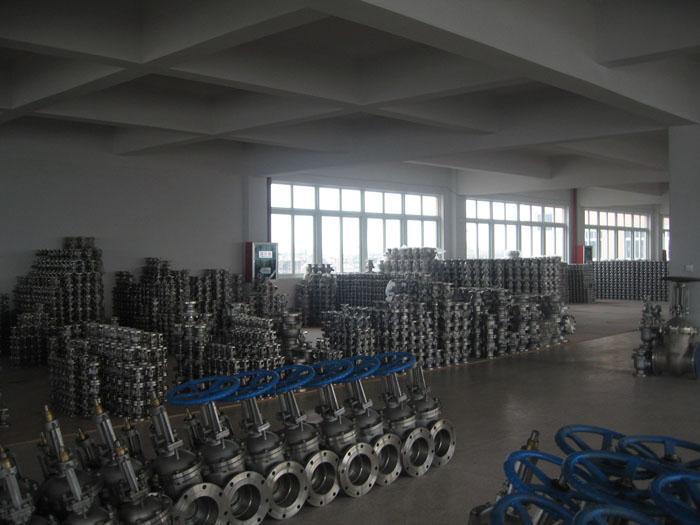 sealing of valves is divided into two types: hard sealing and soft sealing.
Hard sealing usually refers to the sealing between metals and is common in high temperature, high pressure, or corrosive working conditions. Its sealing principle is mainly to form sufficient pressure difference through the contact pressure between the precision-machined metal sealing surfaces to prevent medium leakage. The advantages of this sealing method are high temperature resistance and wear resistance, but it requires high precision in processing and assembly, and the sealing performance is relatively weak.
Soft sealing uses non-metallic materials (such as rubber, polytetrafluoroethylene PTFE, nylon, etc.) as sealing materials and is widely used in normal temperature or low-pressure systems. The principle of soft sealing is to utilize the elastic deformation capability of non-metallic materials, through compression deformation to fill the tiny gaps between the sealing surfaces when the valve is closed, thereby achieving good sealing effect. The advantages of soft sealing are good sealing performance and small torque during opening and closing, but the temperature resistance and wear resistance are relatively poor.
In addition to the sealing material, the sealing of valves is also affected by the structural form. For example, gate valves achieve sealing through the vertical movement of the gate plate and the valve seat, while ball valves achieve sealing through the tight fit between the ball and the valve seat. Butterfly valves rely on the extrusion deformation between the valve plate and the sealing ring to achieve zero leakage. Valves with different structures are suitable for different working conditions, and the reasonable selection of structural form is the premise of good sealing.
In addition, the sealing performance is closely related to factors such as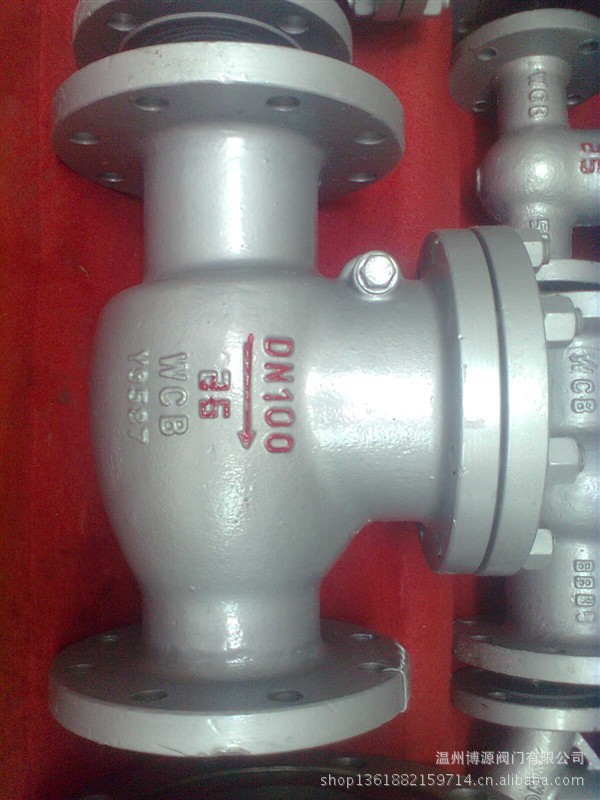 operating pressure, medium properties, and temperature changes. Under high temperature or high-pressure environments, it is necessary to select valves with high-temperature-resistant materials and reasonable structures to prevent sealing failure due to thermal expansion or pressure changes.
In summary, the sealing principle of valves is to form sufficient contact stress between the sealing surfaces through optimized structural design, material selection, and manufacturing process, thereby blocking the leakage path of the medium. In practical applications, scientifically selecting and correctly using valves according to specific working conditions is the key to ensuring the sealing performance and operational safety of the system.
The sealing performance of valves mainly depends on the structural design of the sealing pair, material selection, and processing accuracy of the sealing surfaces. Generally, the
sealing of valves is divided into two types: hard sealing and soft sealing.Hard sealing usually refers to the sealing between metals and is common in high temperature, high pressure, or corrosive working conditions. Its sealing principle is mainly to form sufficient pressure difference through the contact pressure between the precision-machined metal sealing surfaces to prevent medium leakage. The advantages of this sealing method are high temperature resistance and wear resistance, but it requires high precision in processing and assembly, and the sealing performance is relatively weak.
Soft sealing uses non-metallic materials (such as rubber, polytetrafluoroethylene PTFE, nylon, etc.) as sealing materials and is widely used in normal temperature or low-pressure systems. The principle of soft sealing is to utilize the elastic deformation capability of non-metallic materials, through compression deformation to fill the tiny gaps between the sealing surfaces when the valve is closed, thereby achieving good sealing effect. The advantages of soft sealing are good sealing performance and small torque during opening and closing, but the temperature resistance and wear resistance are relatively poor.
In addition to the sealing material, the sealing of valves is also affected by the structural form. For example, gate valves achieve sealing through the vertical movement of the gate plate and the valve seat, while ball valves achieve sealing through the tight fit between the ball and the valve seat. Butterfly valves rely on the extrusion deformation between the valve plate and the sealing ring to achieve zero leakage. Valves with different structures are suitable for different working conditions, and the reasonable selection of structural form is the premise of good sealing.
In addition, the sealing performance is closely related to factors such as
operating pressure, medium properties, and temperature changes. Under high temperature or high-pressure environments, it is necessary to select valves with high-temperature-resistant materials and reasonable structures to prevent sealing failure due to thermal expansion or pressure changes.In summary, the sealing principle of valves is to form sufficient contact stress between the sealing surfaces through optimized structural design, material selection, and manufacturing process, thereby blocking the leakage path of the medium. In practical applications, scientifically selecting and correctly using valves according to specific working conditions is the key to ensuring the sealing performance and operational safety of the system.




TOP
18914229323