
 18914229323

How to apply ASME B16.34
ASMEB16.34isaninternationallywidelyadoptedstandardissuedbytheAmericanSocietyofMechanicalEngineers(ASME),officiallytitled‘Valves–Flanged,Threaded,andWeldingEnd‘,whichis‘ValveswithFlanged,Threaded,andW...
Hotline
ASME B16.34 is an internationally widely adopted standard issued by the American Society of Mechanical Engineers (ASME), officially titled 'Valves – Flanged, Threaded, and Welding End', which is 'Valves with Flanged, Threaded, and Welding Ends'. This standard mainly stipulates the technical requirements for metal valves used in industrial fields such as oil, chemicals, and electricity in terms of design, materials, inspection, testing, and marking. Proper understanding and application of the ASME B16.34 standard is of great significance for ensuring the quality and safe operation of valve products.
Scope of the Standard
ASME B16.34 applies to metal valves with nominal pressure classes ranging from Class 150 to Class 2500 and nominal sizes from NPS 1/2 to NPS 24, including various types such as gate valves, stop valves, ball valves, and check valves. It covers key aspects such as the end connection forms (flanges, threads, welding), pressure-temperature grades, material selection, structural design, manufacturing processes, inspection and testing, and marking.
Two, Main Technical Content and Application Points
1. Pressure-Temperature Grade
ASME B16.34 stipulates the maximum allowable working pressure of different materials at different working temperatures according to valve materials and temperature range. This is an important basis for valve selection and design, and engineers must strictly follow the pressure-temperature curves in the standard when selecting materials and determining operating conditions.
2. Material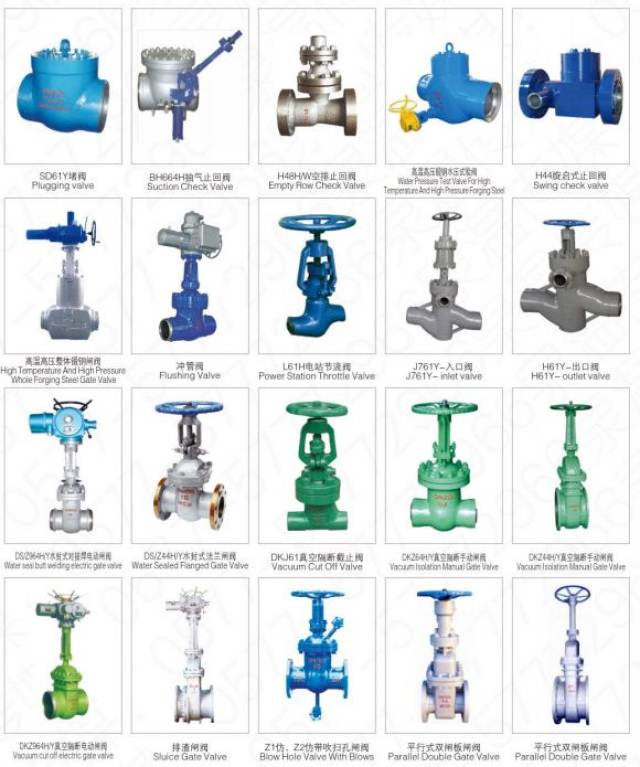 Requirements
The standard lists the material grades and their chemical composition, mechanical properties requirements for various valve components. Material selection directly affects the corrosion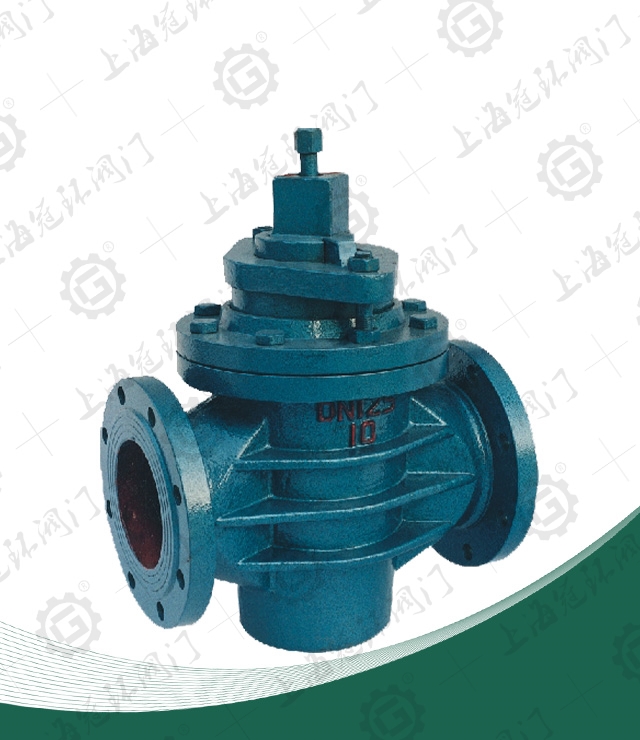 resistance, strength, and service life of valves, and therefore, in practical applications, it is necessary to reasonably select materials that meet the standard according to working conditions (such as medium, temperature, pressure).
3. Structural Design and Dimensional Tolerance
ASME B16.34 proposes basic requirements for the structural design of valves, such as wall thickness of the valve body, connection method of the valve cover, and sealing structure. In addition, it stipulates the main dimensions and interchangeability requirements of valves to ensure that valves produced by different manufacturers have universality and compatibility in installation and use.
4. Inspection and Testing
The standard specifies in detail the inspection and testing methods of valves, including shell testing, sealing testing, etc. These tests are key steps to ensure the safety of valves and must be carried out according to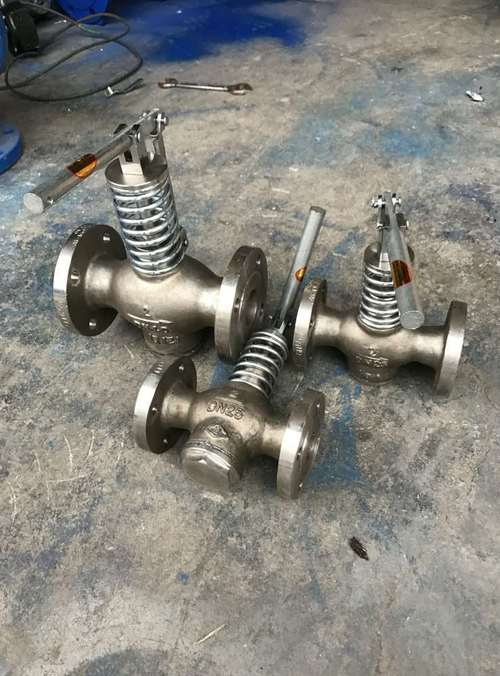 the prescribed procedures after manufacturing, and relevant records should be retained.
5. Marking and Identification
Each valve that meets the ASME B16.34 standard must clearly mark the manufacturer's name, nominal size, pressure grade, material code, production batch, and other information on the valve body. This is of great significance for the traceability management, maintenance, and replacement of valves.
Three, Matters to be Attended to in Actual Application
In engineering practice, designers, purchasers, and manufacturers should be familiar with the relevant content of ASME B16.34. In the valve selection stage, the model that meets the standard should be selected in combination with process conditions; during the manufacturing process, it is necessary to ensure that materials, processing, and testing at each link meet the specifications; in the acceptance stage, sampling inspections and performance tests should be carried out according to the requirements of the standard.
At the same time, with the continuous development of international standards, ASME B16.34 is also constantly updated (the latest version is 2020), and users should timely pay attention to the version updates and technical revisions of the standard to ensure that design and manufacturing meet the latest technical requirements.
Four, Conclusion
ASME B16.34, as an important standard in the global valve industry, provides a systematic technical basis for the design, manufacturing, and inspection of valve products. Proper application of this standard not only enhances the safety and reliability of products but also helps enterprises gain a technical advantage in international market competition. Therefore, relevant engineering and technical personnel should deeply understand its content and effectively apply it in practical work.
ASME B16.34 is an internationally widely adopted standard issued by the American Society of Mechanical Engineers (ASME), officially titled 'Valves – Flanged, Threaded, and Welding End', which is 'Valves with Flanged, Threaded, and Welding Ends'. This standard mainly stipulates the technical requirements for metal valves used in industrial fields such as oil, chemicals, and electricity in terms of design, materials, inspection, testing, and marking. Proper understanding and application of the ASME B16.34 standard is of great significance for ensuring the quality and safe operation of valve products.
Scope of the Standard
ASME B16.34 applies to metal valves with nominal pressure classes ranging from Class 150 to Class 2500 and nominal sizes from NPS 1/2 to NPS 24, including various types such as gate valves, stop valves, ball valves, and check valves. It covers key aspects such as the end connection forms (flanges, threads, welding), pressure-temperature grades, material selection, structural design, manufacturing processes, inspection and testing, and marking.
Two, Main Technical Content and Application Points
1. Pressure-Temperature Grade
ASME B16.34 stipulates the maximum allowable working pressure of different materials at different working temperatures according to valve materials and temperature range. This is an important basis for valve selection and design, and engineers must strictly follow the pressure-temperature curves in the standard when selecting materials and determining operating conditions.
2. Material
RequirementsThe standard lists the material grades and their chemical composition, mechanical properties requirements for various valve components. Material selection directly affects the corrosion
resistance, strength, and service life of valves, and therefore, in practical applications, it is necessary to reasonably select materials that meet the standard according to working conditions (such as medium, temperature, pressure).3. Structural Design and Dimensional Tolerance
ASME B16.34 proposes basic requirements for the structural design of valves, such as wall thickness of the valve body, connection method of the valve cover, and sealing structure. In addition,
it stipulates the main dimensions and interchangeability requirements of valves to ensure that valves produced by different manufacturers have universality and compatibility in installation and use.4. Inspection and Testing
The standard specifies in detail the inspection and testing methods of valves, including shell testing, sealing testing, etc. These tests are key steps to ensure the safety of valves and must be carried out according to
the prescribed procedures after manufacturing, and relevant records should be retained.5. Marking and Identification
Each valve that meets the ASME B16.34 standard must clearly mark the manufacturer's name, nominal size, pressure grade, material code, production batch, and other information on the valve body. This is of great significance for the traceability management, maintenance, and replacement of valves.
Three, Matters to be Attended to in Actual Application
In engineering practice, designers, purchasers, and manufacturers should be familiar with the relevant content of ASME B16.34. In the valve selection stage, the model that meets the standard should be selected in combination with process conditions; during the manufacturing process, it is necessary to ensure that materials, processing, and testing at each link meet the specifications; in the acceptance stage, sampling inspections and performance tests should be carried out according to the requirements of the standard.
At the same time, with the continuous development of international standards, ASME B16.34 is also constantly updated (the latest version is 2020), and users should timely pay attention to the version updates and technical revisions of the standard to ensure that design and manufacturing meet the latest technical requirements.
Four, Conclusion
ASME B16.34, as an important standard in the global valve industry, provides a systematic technical basis for the design, manufacturing, and inspection of valve products. Proper application of this standard not only enhances the safety and reliability of products but also helps enterprises gain a technical advantage in international market competition. Therefore, relevant engineering and technical personnel should deeply understand its content and effectively apply it in practical work.




TOP
18914229323