
 18914229323

How to Design the Maintainability of Valves
Valves,askeyequipmentinindustrialsystems,arewidelyusedinfieldssuchasoil,chemicals,electricity,metallurgy,anddirectlyaffecttheefficiencyandstabilityoftheentiresystem.However,intheactualoperationproces...
Hotline
Valves, as key equipment in industrial systems, are widely used in fields such as oil, chemicals, electricity, metallurgy, and directly affect the efficiency and stability of the entire system. However, in the actual operation process, valves often face problems such as leakage, jamming, and wear, so improving the maintainability of valves has become an important issue in design.
1. Definition and Importance of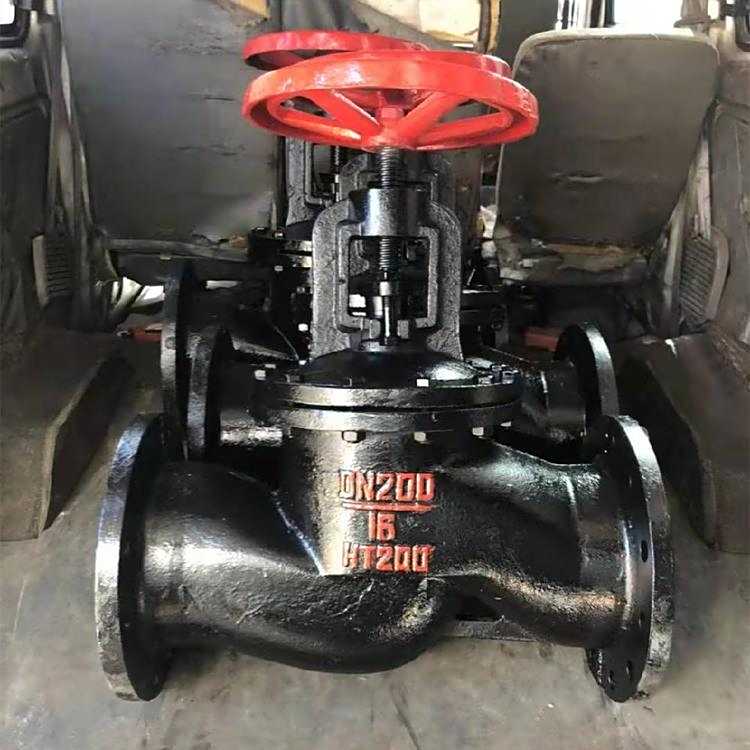 Maintainability
Maintainability refers to the ability of equipment to restore its functions within a specified time under specified conditions through maintenance. For valves, good maintainability means that repairs can be carried out quickly, safely, and efficiently in the event of a fault, thereby reducing downtime, reducing maintenance costs, and improving the continuous operation capability of the system.
2. Considerations for Maintainability in Structural Design
1. Modular Design: Modularize the functional components of valves, such as bodies, seals, and actuators, for independent design, which facilitates replacement and maintenance. Modular design not only improves the versatility of components but also simplifies the maintenance process.
2. Easy to Disassemble and Assemble Structure: The design should minimize the number of bolt connections, use quick-disassembly mechanisms, and facilitate daily inspections and replacement of consumable parts (such as packing, seals, etc.), while avoiding the use of complex tools to improve on-site maintenance efficiency.
3. Visual and Accessible Design: Ensure that key components (such as valve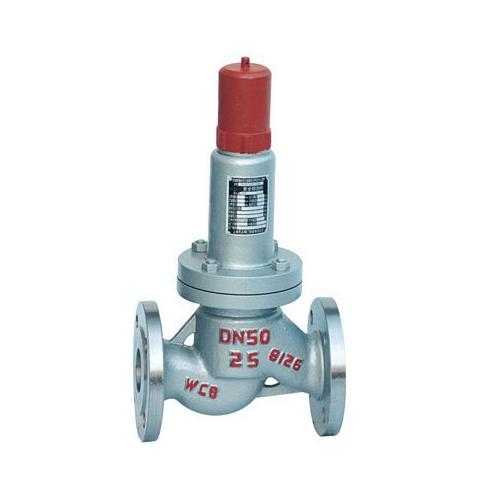 cores and seats) are easy to observe and approach, facilitating maintenance personnel to quickly identify fault locations and reduce diagnostic time.
4. Standardized Design: The use of standardized interfaces, dimensions, and connection methods helps to reduce the pressure on spare parts inventory, improve the versatility of spare parts, and shorten the maintenance cycle.
3. Optimization of Materials and Processes
Choosing corrosion-resistant and wear-resistant materials can extend the service life of valves, reduce the need for frequent replacement. At the same time, adopting advanced processing technologies ensures the accuracy and flatness of the sealing surface, improving the sealing performance, thereby reducing the maintenance needs caused by leakage.
4. Intelligentization and Remote Monitoring
Modern valve design can introduce intelligent sensing technology to achieve real-time monitoring of valve status (such as temperature, pressure, leakage conditions, etc.), and combine with remote monitoring systems to provide early warnings of potential faults, achieving preventive maintenance rather than post-maintenance, and significantly improving system operating efficiency.
5. Maintenance Documentation and Training Support
Detailed maintenance manuals, drawings, and troubleshooting guides should be provided during the design phase, and system training should be conducted for operators to ensure they master the correct maintenance methods and emergency response procedures.
Conclusion
The maintainability design of valves is not only a technical issue but also a part of the system engineering. Through scientific design concepts, reasonable structural layout, advanced manufacturing processes, and intelligent means, the maintainability of valves can be significantly improved, thus ensuring the stable and efficient operation of industrial systems. In the future, with the development of intelligent manufacturing and industrial internet, the maintainability design of valves will continue to evolve towards higher intelligence and less manual intervention.
Valves, as key equipment in industrial systems, are widely used in fields such as oil, chemicals, electricity, metallurgy, and directly affect the efficiency and stability of the entire system. However, in the actual operation process, valves often face problems such as leakage, jamming, and wear, so improving the maintainability of valves has become an important issue in design.
1. Definition and Importance of
MaintainabilityMaintainability refers to the ability of equipment to restore its functions within a specified time under specified conditions through maintenance. For valves, good maintainability means that repairs can be carried out quickly, safely, and efficiently in the event of a fault, thereby reducing downtime, reducing maintenance costs, and improving the continuous operation capability of the system.
2. Considerations for Maintainability in Structural Design
1. Modular Design: Modularize the functional components of valves, such as bodies, seals, and actuators, for independent design, which facilitates replacement and maintenance. Modular design not only improves the versatility of components but also simplifies the maintenance process.
2. Easy to Disassemble and Assemble Structure: The design should minimize the number of bolt connections, use quick-disassembly mechanisms, and facilitate daily inspections and replacement of consumable parts (such as packing, seals, etc.), while avoiding the use of complex tools to improve on-site maintenance efficiency.
3. Visual and Accessible Design: Ensure that key components (such as valve
cores and seats) are easy to observe and approach, facilitating maintenance personnel to quickly identify fault locations and reduce diagnostic time.4. Standardized Design: The use of standardized interfaces, dimensions, and connection methods helps to reduce the pressure on spare parts inventory, improve the versatility of spare parts, and shorten the maintenance cycle.
3. Optimization of Materials and Processes
Choosing corrosion-resistant and wear-resistant materials can extend the service life of valves, reduce the need for frequent replacement. At the same time, adopting advanced processing technologies ensures the accuracy and flatness of the sealing surface, improving the sealing performance, thereby reducing the maintenance needs caused by leakage.
4. Intelligentization and Remote Monitoring
Modern valve design can introduce intelligent sensing technology to achieve real-time monitoring of valve status (such as temperature, pressure, leakage conditions, etc.), and combine with remote monitoring systems to provide early warnings of potential faults, achieving preventive maintenance rather than post-maintenance, and significantly improving system operating efficiency.
5. Maintenance Documentation and Training Support
Detailed maintenance manuals, drawings, and troubleshooting guides should be provided during the design phase, and system training should be conducted for operators to ensure they master the correct maintenance methods and emergency response procedures.
Conclusion
The maintainability design of valves is not only a technical issue but also a part of the system engineering. Through scientific design concepts, reasonable structural layout, advanced manufacturing processes, and intelligent means, the maintainability of valves can be significantly improved, thus ensuring the stable and efficient operation of industrial systems. In the future, with the development of intelligent manufacturing and industrial internet, the maintainability design of valves will continue to evolve towards higher intelligence and less manual intervention.




TOP
18914229323