
 18914229323
How do tank valves control?
Tanksareimportantequipmentusedforstoringliquids,gases,orsolidparticlesinindustrialproductionandarewidelyusedinmanyindustriessuchasoil,chemicals,naturalgas,andfood.Inthetanksystem,valvesarethekeycompo...
Hotline
Tanks are important equipment used for storing liquids, gases, or solid particles in industrial production and are widely used in many industries such as oil, chemicals, natural gas, and food. In the tank system, valves are the key components that control the in and out of materials, regulate flow, and ensure the safe operation of the system. Therefore, the control method and management of tank valves are crucial for the stability and safety of the entire system.
1. Common Storage Tank Valve Types
According to different functions and applications, common valves in storage tank systems include gate valves, stop valves, ball valves, butterfly valves, safety valves, and emergency shutdown valves. Gate valves and stop valves are mainly used for fluid isolation; ball valves are suitable for rapid opening and closing; butterfly valves are used for flow regulation; safety valves automatically relieve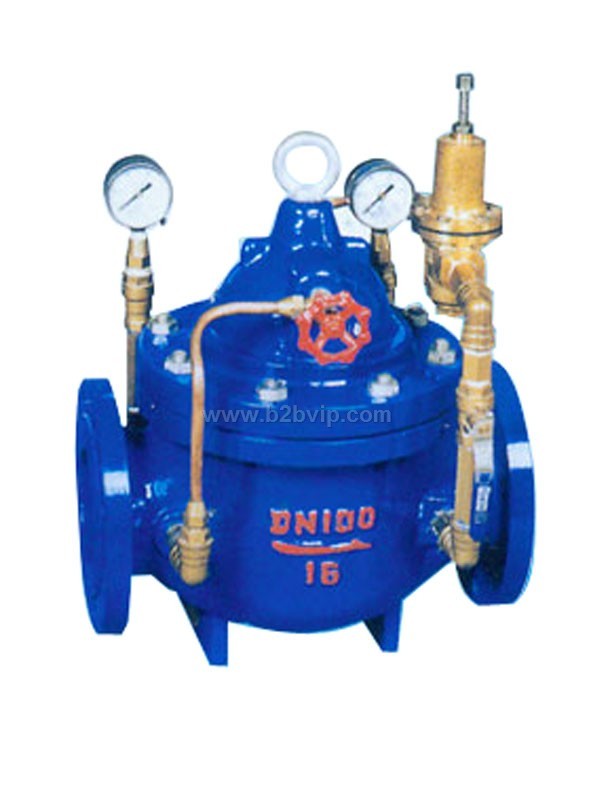 pressure when the system pressure exceeds the set value, playing a protective role.
2. Valve Control Methods
1. Manual Control
Manual control is the most basic valve operation method, which opens and closes the valve through handwheels, handles, or levers. This method has simple structure and low cost, suitable for small storage tanks or non-continuous operation scenarios. However, its disadvantage is slow response speed and difficulty in remote operation, suitable for scenarios with low requirements for operation frequency and safety.
2. Electrical Control
Electrical actuators drive valve operation through motors, suitable for applications requiring frequent operation or remote control. Electrical valves can be controlled by PLC (Programmable Logic Controller) for automation and integrated with DCS (Distributed Control System) for centralized monitoring.
3. Pneumatic Control
Pneumatic actuators drive valves with compressed air, featuring rapid operation, high safety, and strong adaptability, widely used in storage tank systems in flammable and explosive environments. Pneumatic valves can be used in conjunction with solenoid valves for automatic control, or can be controlled through the control system to achieve interlock protection.
4. Hydraulic Control
Hydraulic valves are suitable for storage tank systems under large-diameter and high-pressure conditions, with strong driving force and high control accuracy, but complex structure and high maintenance costs, commonly used in special industries such as refining and chemical engineering.
5. Intelligent Control
With the development of automation and intelligent technology, an increasing number of storage tank systems are adopting intelligent valve control systems. These systems usually integrate sensors, actuators, and control modules, which can monitor the status of valves, pressure, temperature, and other parameters in real-time and achieve remote monitoring and fault warning through SCADA systems, greatly improving the safety and efficiency of the system.
3. Safety and Maintenance of Valve Control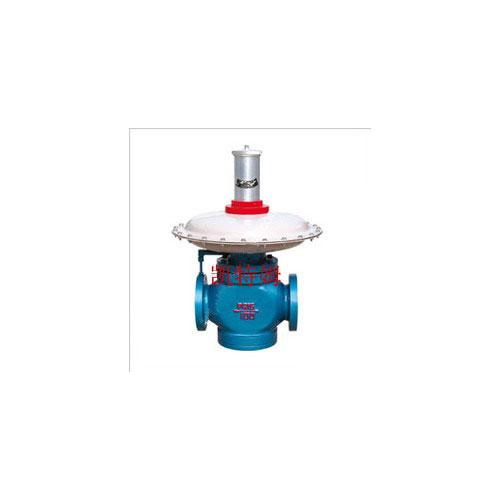
In the storage tank system, in addition to selecting the appropriate control method, daily maintenance and safety management of the valves are also important. Regular inspections of the sealing of the valves, the sensitivity of the actuator, and the working status of the control system should be carried out to prevent issues such as leakage, maloperation, or failure. For storage tanks containing hazardous media, redundant control systems and emergency shutdown devices should also be set up to deal with emergencies.
In addition, the design of control logic should also conform to relevant industry standards to ensure timely response under abnormal working conditions, preventing accidents from expanding.
Conclusion
In summary, the control of storage tank valves is not only related to the operating efficiency of the system, but also directly affects production safety. Reasonable selection of control methods, strengthening daily maintenance, and improving safety mechanisms are the key to ensuring the stable operation of the storage tank system. With the continuous improvement of industrial automation levels, intelligent and remote control will become the main direction of future development for storage tank valves.
Tanks are important equipment used for storing liquids, gases, or solid particles in industrial production and are widely used in many industries such as oil, chemicals, natural gas, and food. In the tank system, valves are the key components that control the in and out of materials, regulate flow, and ensure the safe operation of the system. Therefore, the control method and management of tank valves are crucial for the stability and safety of the entire system.
1. Common Storage Tank Valve Types
According to different functions and applications, common valves in storage tank systems include gate valves, stop valves, ball valves, butterfly valves, safety valves, and emergency shutdown valves. Gate valves and stop valves are mainly used for fluid isolation; ball valves are suitable for rapid opening and closing; butterfly valves are used for flow regulation; safety valves automatically relieve
pressure when the system pressure exceeds the set value, playing a protective role.2. Valve Control Methods
1. Manual Control
Manual control is the most basic valve operation method, which opens and closes the valve through handwheels, handles, or levers. This method has simple structure and low cost, suitable for small storage tanks or non-continuous operation scenarios. However, its disadvantage is slow response speed and difficulty in remote operation, suitable for scenarios with low requirements for operation frequency and safety.
2. Electrical Control
Electrical actuators drive valve operation through motors, suitable for applications requiring frequent operation or remote control. Electrical valves can be controlled by PLC (Programmable Logic Controller) for automation and integrated with DCS (Distributed Control System) for centralized monitoring.
3. Pneumatic Control
Pneumatic actuators drive valves with compressed air, featuring rapid operation, high safety, and strong adaptability, widely used in storage tank systems in flammable and explosive environments. Pneumatic valves can be used in conjunction with solenoid valves for automatic control, or can be controlled through the control system to achieve interlock protection.
4. Hydraulic Control
Hydraulic valves are suitable for storage tank systems under large-diameter and high-pressure conditions, with strong driving force and high control accuracy, but complex structure and high maintenance costs, commonly used in special industries such as refining and chemical engineering.
5. Intelligent Control
With the development of automation and intelligent technology, an increasing number of storage tank systems are adopting intelligent valve control systems. These systems usually integrate sensors, actuators, and control modules, which can monitor the status of valves, pressure, temperature, and other parameters in real-time and achieve remote monitoring and fault warning through SCADA systems, greatly improving the safety and efficiency of the system.
3. Safety and Maintenance of Valve Control
In the storage tank system, in addition to selecting the appropriate control method, daily maintenance and safety management of the valves are also important. Regular inspections of the sealing of the valves, the sensitivity of the actuator, and the working status of the control system should be carried out to prevent issues such as leakage, maloperation, or failure. For storage tanks containing hazardous media, redundant control systems and emergency shutdown devices should also be set up to deal with emergencies.
In addition, the design of control logic should also conform to relevant industry standards to ensure timely response under abnormal working conditions, preventing accidents from expanding.
Conclusion
In summary, the control of storage tank valves is not only related to the operating efficiency of the system, but also directly affects production safety. Reasonable selection of control methods, strengthening daily maintenance, and improving safety mechanisms are the key to ensuring the stable operation of the storage tank system. With the continuous improvement of industrial automation levels, intelligent and remote control will become the main direction of future development for storage tank valves.




TOP
18914229323