
 18914229323
How to implement valve packaging technology
Valves,asimportantcontrolcomponentsinindustrialequipment,arewidelyusedinmanyfieldssuchasoil,chemicals,electricity,metallurgy,etc.Duringtheproduction,transportation,andstorageofvalves,goodpackagingtec...
Hotline
Valves, as important control components in industrial equipment, are widely used in many fields such as oil, chemicals, electricity, metallurgy, etc. During the production, transportation, and storage of valves, good packaging technology can not only effectively protect the products from damage but also enhance the corporate image and enhance customer trust. Therefore, it is crucial to scientifically and reasonably implement valve packaging technology.
I. Clarifying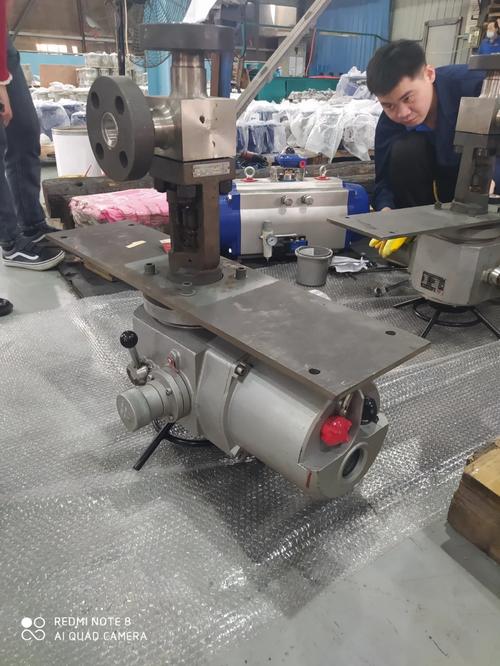 packaging objectives and requirements
The primary goal of valve packaging is moisture-proofing, rust-proofing, dust-proofing, shock-proofing, and preventing mechanical damage during transportation. At the same time, the packaging also needs to meet the requirements of ease of handling, storage, and clear identification. The packaging requirements for valves of different materials, types, and uses are also different. Enterprises should formulate corresponding packaging standards according to the specific characteristics of the products.
II. Selecting appropriate packaging materials
The selection of packaging materials is directly related to the packaging effect. Common materials include:
- Anti-rust paper, anti-rust oil, or anti-rust film, used to prevent oxidation of the metal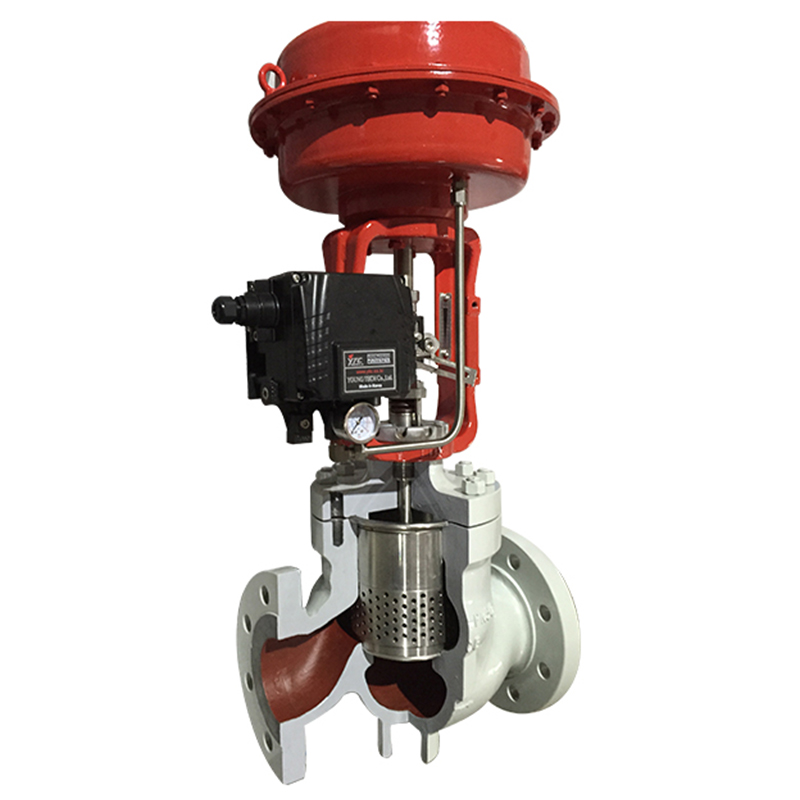 surface;
- Foam plastic, sponge, or air cushion film, used for cushioning and shock absorption;
- Wooden box or tin box, used as outer packaging to provide structural support;
- PE bag or plastic film, used for sealing and dust prevention;
- Label and identification tape, used to indicate product model, quantity, production date, and other information.
III. Establishing standard packaging procedures
1. Cleaning treatment: Clean the valve before packaging to remove surface oil, dust, and other impurities.
2. Rust prevention treatment: Apply anti-rust oil or wrap anti-rust paper to metal parts, and vacuum packaging can be used if necessary.
3. Internal buffer packaging: Use materials such as foam and air cushion film to wrap the valve, especially focusing on the protection of vulnerable parts such as the flange face and valve stem.
4. Fixed loading: Place the valve in a wooden box or container, and use filling materials to ensure that it does not shift during transportation.
5. Sealing and marking: Check for dryness before sealing, and add desiccant if necessary; after sealing, affix clear product labels and transportation markings, such as 'Handle with care', 'Moisture-proof', etc.
IV. Implement quality inspection
After packaging is completed, random inspection or full inspection should be carried out to check whether the packaging is complete, whether the label is accurate, and whether the sealing is good, ensuring that every valve leaving the factory meets the packaging specification requirements.
V. Continuous improvement of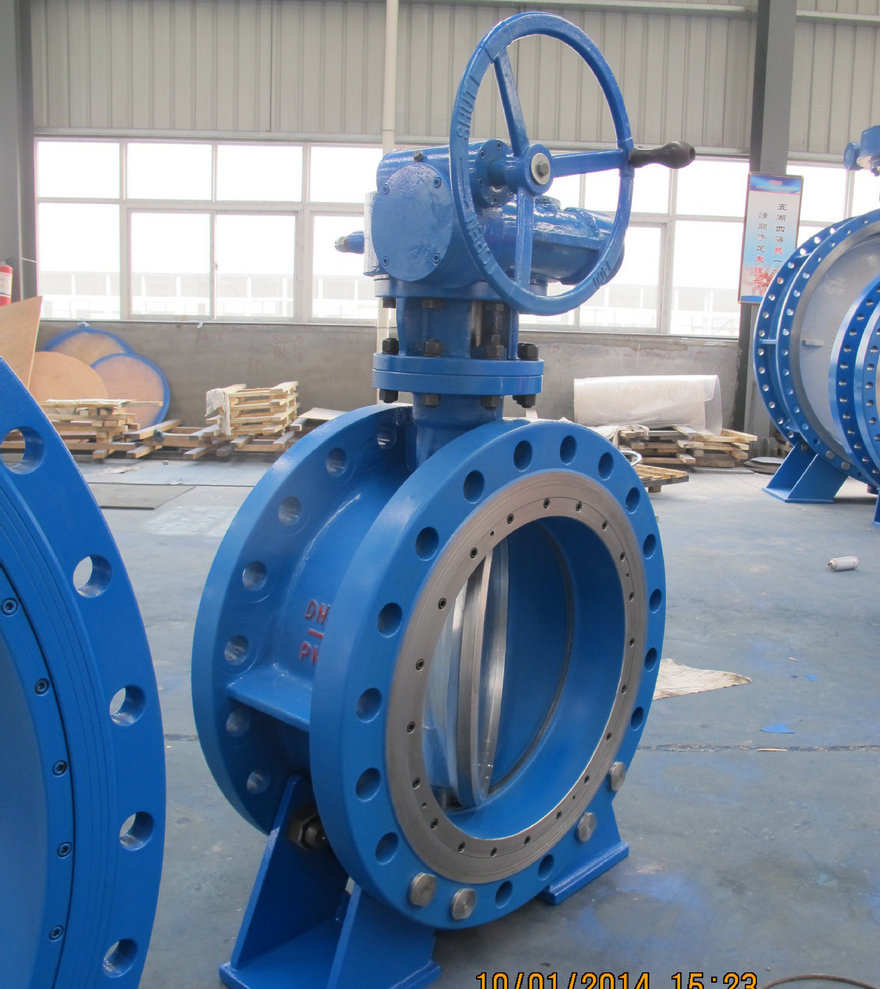 packaging technology
With the continuous changes in transportation methods and customer needs, enterprises should regularly evaluate the effectiveness of existing packaging processes, optimize and adjust them in combination with customer feedback, such as using environmentally friendly materials and improving structural design.
In summary, the implementation of valve packaging technology is a systematic project, involving multiple links such as material selection, process control, and quality inspection. Only through standardized and refined management can a comprehensive protection of valve products be truly achieved, winning the enterprise a competitive advantage in the market.
Valves, as important control components in industrial equipment, are widely used in many fields such as oil, chemicals, electricity, metallurgy, etc. During the production, transportation, and storage of valves, good packaging technology can not only effectively protect the products from damage but also enhance the corporate image and enhance customer trust. Therefore, it is crucial to scientifically and reasonably implement valve packaging technology.
I. Clarifying
packaging objectives and requirementsThe primary goal of valve packaging is moisture-proofing, rust-proofing, dust-proofing, shock-proofing, and preventing mechanical damage during transportation. At the same time, the packaging also needs to meet the requirements of ease of handling, storage, and clear identification. The packaging requirements for valves of different materials, types, and uses are also different. Enterprises should formulate corresponding packaging standards according to the specific characteristics of the products.
II. Selecting appropriate packaging materials
The selection of packaging materials is directly related to the packaging effect. Common materials include:
- Anti-rust paper, anti-rust oil, or anti-rust film, used to prevent oxidation of the metal
surface;- Foam plastic, sponge, or air cushion film, used for cushioning and shock absorption;
- Wooden box or tin box, used as outer packaging to provide structural support;
- PE bag or plastic film, used for sealing and dust prevention;
- Label and identification tape, used to indicate product model, quantity, production date, and other information.
III. Establishing standard packaging procedures
1. Cleaning treatment: Clean the valve before packaging to remove surface oil, dust, and other impurities.
2. Rust prevention treatment: Apply anti-rust oil or wrap anti-rust paper to metal parts, and vacuum packaging can be used if necessary.
3. Internal buffer packaging: Use materials such as foam and air cushion film to wrap the valve, especially focusing on the protection of vulnerable parts such as the flange face and valve stem.
4. Fixed loading: Place the valve in a wooden box or container, and use filling materials to ensure that it does not shift during transportation.
5. Sealing and marking: Check for dryness before sealing, and add desiccant
if necessary; after sealing, affix clear product labels and transportation markings, such as 'Handle with care', 'Moisture-proof', etc.IV. Implement quality inspection
After packaging is completed, random inspection or full inspection should be carried out to check whether the packaging is complete, whether the label is accurate, and whether the sealing is good, ensuring that every valve leaving the factory meets the packaging specification requirements.
V. Continuous improvement of
packaging technologyWith the continuous changes in transportation methods and customer needs, enterprises should regularly evaluate the effectiveness of existing packaging processes, optimize and adjust them in combination with customer feedback, such as using environmentally friendly materials and improving structural design.
In summary, the implementation of valve packaging technology is a systematic project, involving multiple links such as material selection, process control, and quality inspection. Only through standardized and refined management can a comprehensive protection of valve products be truly achieved, winning the enterprise a competitive advantage in the market.




TOP
18914229323