
 18914229323

How to Select High-Temperature Materials
1.BasicPerformanceRequirementsforHigh-TemperatureMaterialsFirstly,high-temperaturematerialsshouldhavegoodthermalstability,thatis,theyshouldnotundergosignificantdeformation,oxidation,ordecompositionat...
Hotline
1. Basic Performance Requirements for High-Temperature Materials
Firstly, high-temperature materials should have good thermal stability, that is, they should not undergo significant deformation, oxidation, or decomposition at high temperatures; secondly, they should have high high-temperature strength to maintain structural integrity and functionality under continuous high temperature and load; in addition, they should have good thermal fatigue resistance to cope with stress shocks caused by frequent temperature changes; finally, the processing performance and economy of the material are also important factors to consider when selecting materials.
2. Common High-Temperature Materials and Their Characteristics
1. Metal Materials
Common high-temperature metals include nickel-based superalloys, cobalt-based alloys, titanium alloys, and some stainless steels. Among them, nickel-based superalloys are widely used in critical components such as aeroengine blades due to their excellent high-temperature strength, oxidation resistance, and creep resistance.
2. Ceramic Materials
Ceramic materials such as zirconia, silicon carbide, and silicon nitride have very high melting points and good corrosion resistance, making them suitable for high-temperature insulation components and wear-resistant structural parts. However, their brittleness is a major drawback.
3. Composite Materials
Carbon fiber reinforced ceramic matrix composites (CMC) or carbon/carbon composites have the advantages of light weight, high strength, and excellent high-temperature performance, and are widely used in fields such as aerospace thermal protection systems.
4. High Polymer Materials
Special engineering plastics such as polyimide and polyphenylene sulfide can be used in environments above 200°C and are suitable for non-structural components such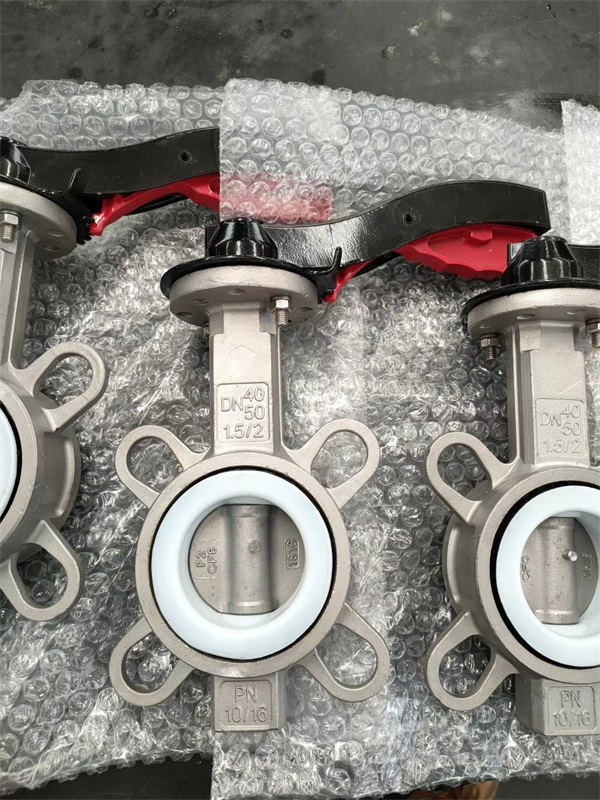 as high-temperature seals and bearings.
3. Criteria for Selecting High-Temperature Materials
When selecting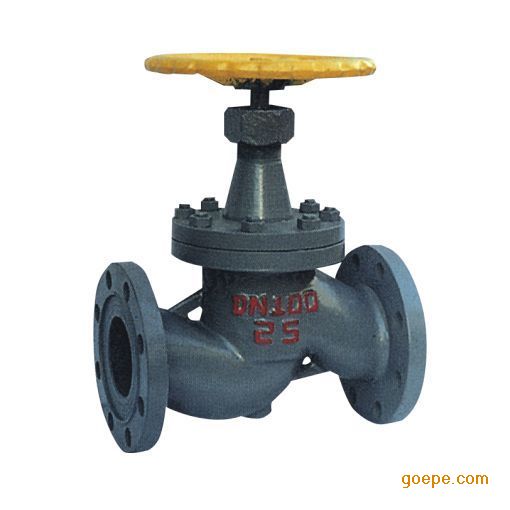 high-temperature materials, the following factors should be considered comprehensively: working temperature range, mechanical load, environmental medium (such as oxygen, corrosive gases), thermal cycle frequency, material cost, and processing difficulty. For example, nickel-based alloys and CMC materials are prioritized in aeroengines, while refractory ceramic materials may be chosen for furnace linings.
4. Development Trends
With the advancement of technology, new high-temperature materials are constantly emerging, such as nano-enhanced composite materials and gradient functional materials, which are becoming research hotspots. These materials not only improve high-temperature performance but also enhance the reliability and service life of structures.
Conclusion
In summary, the selection of high-temperature materials is a systematic project, which requires scientific evaluation and reasonable matching based on specific application scenarios. Only by fully understanding the relationship between material properties and the environment of use can we ensure the safe and stable operation of equipment under high-temperature conditions and promote the continuous development of related fields.
1. Basic Performance Requirements for High-Temperature Materials
Firstly, high-temperature materials should have good thermal stability, that is, they should not undergo significant deformation, oxidation, or decomposition at high temperatures; secondly, they should have high high-temperature strength to maintain structural integrity and functionality under continuous high temperature and load; in addition, they should have good thermal fatigue resistance to cope with stress shocks caused by frequent temperature changes; finally, the processing performance and economy of the material are also important factors to consider when selecting materials.
2. Common High-Temperature Materials and Their Characteristics
1. Metal Materials
Common high-temperature metals include nickel-based superalloys, cobalt-based alloys, titanium alloys, and some stainless steels. Among them, nickel-based superalloys are widely used in critical components such as aeroengine blades due to their excellent high-temperature strength, oxidation resistance, and creep resistance.
2. Ceramic Materials
Ceramic materials such as zirconia, silicon carbide, and silicon nitride have very high melting points and good corrosion resistance, making them suitable for high-temperature insulation components and wear-resistant structural parts. However, their brittleness is a major drawback.
3. Composite Materials
Carbon fiber reinforced ceramic matrix composites (CMC) or carbon/carbon composites have the advantages of light weight, high strength, and excellent high-temperature performance, and are widely used in fields such as aerospace thermal protection systems.
4. High Polymer Materials
Special engineering plastics such as polyimide and polyphenylene sulfide can be used in environments above 200°C and are suitable for non-structural components such
as high-temperature seals and bearings.3. Criteria for Selecting High-Temperature Materials
When selecting
high-temperature materials, the following factors should be considered comprehensively: working temperature range, mechanical load, environmental medium (such as oxygen, corrosive gases), thermal cycle frequency, material cost, and processing difficulty. For example, nickel-based alloys and CMC materials are prioritized in aeroengines, while refractory ceramic materials may be chosen for furnace linings.4. Development Trends
With the advancement of technology, new high-temperature materials are constantly emerging, such as nano-enhanced composite materials and gradient functional materials, which are becoming research hotspots. These materials not only improve high-temperature performance but also enhance the reliability and service life of structures.
Conclusion
In summary, the selection of high-temperature materials is a systematic project, which requires scientific evaluation and reasonable matching based on specific application scenarios. Only by fully understanding the relationship between material properties and the environment of use can we ensure the safe and stable operation of equipment under high-temperature conditions and promote the continuous development of related fields.




TOP
18914229323