
 18914229323

How to choose special processing for valves
Inmodernindustrialproduction,valves,asimportantequipmentforcontrollingfluidtransmission,arewidelyusedinthefieldsofoil,chemicals,electricity,metallurgy,andmore.Withthedevelopmentofindustrialtechnology...
Hotline
In modern industrial production, valves, as important equipment for controlling fluid transmission, are widely used in the fields of oil, chemicals, electricity, metallurgy, and more. With the development of industrial technology, the performance requirements for valves are increasingly high, especially under special working conditions such as high temperature, high pressure, and strong corrosion. Traditional processing methods are difficult to meet the requirements for complex structures and high performance. Therefore, special processing technology plays an increasingly important role in valve manufacturing. So, how to choose the appropriate special processing method during the valve manufacturing process?
Firstly, it is necessary to clarify the material and structural characteristics of the valve. Different types of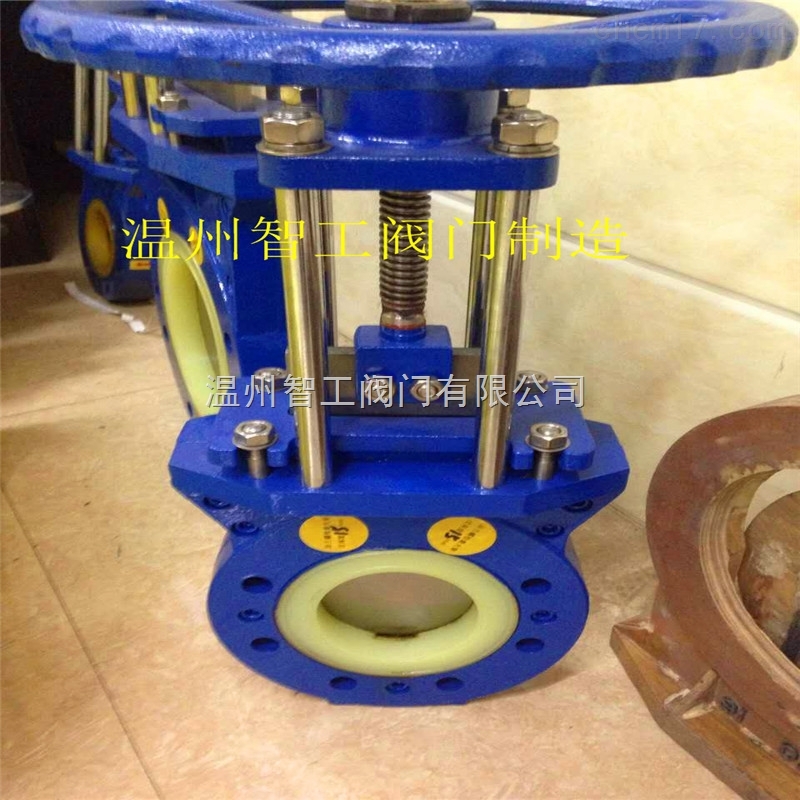 valves, such as ball valves, butterfly valves, and stop valves, have different complexities in their internal structures, and the materials used also cover carbon steel, alloy steel, stainless steel, cast iron, titanium alloys, and even ceramics. For materials with high hardness, high strength, or difficult to cut, traditional mechanical processing has low efficiency and high tool wear, and special processing methods should be considered preferentially at this time.
Secondly, common special processing technologies include electrical discharge machining (EDM), laser cutting, water jet cutting, plasma cutting, and electrochemical machining. Each process has its own advantages and disadvantages:
- Electrical discharge machining (EDM) is suitable for processing conductive materials, especially suitable for the processing of complex cavities and small holes, with high precision, but with slower processing speed and higher cost;
- Laser cutting has the advantages of non-contact, high precision, and fast speed, suitable for cutting thin-walled and complex contours, but with certain requirements for the reflectivity and thermal conductivity of the material;
- High-pressure water jet cutting is suitable for various materials, including metals and non-metals, with no heat-affected zone during the cutting process, which does not change the material properties, but with relatively lower precision and speed;
- Plasma cutting is suitable for the rapid cutting of thick plate metals, with simple operation, but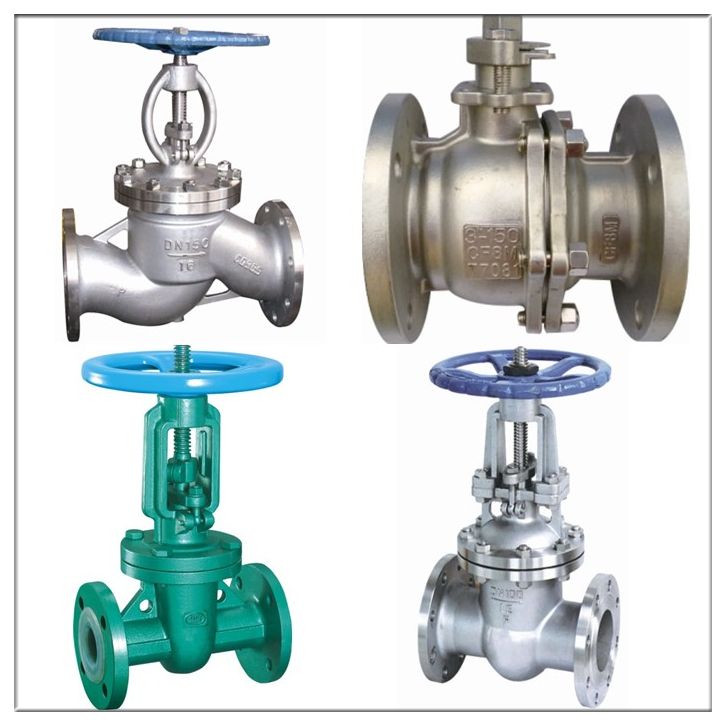 with a large heat-affected zone and poor surface roughness;
- Electrochemical machining is suitable for the processing of large batch, complex-shaped parts, with no mechanical stress during the processing process, suitable for difficult-to-cut materials, but with high equipment investment and complex process design.
Again, a comprehensive evaluation should be made based on production volume, cost budget, and processing precision requirements. For small batch, high-precision products, laser or electrical discharge machining can be given priority; for large batch products, electrochemical machining or automated plasma cutting has more cost advantages.
Finally, with the development of intelligent manufacturing, many special processing equipment have achieved automation and intelligent control. When choosing a processing method, enterprises should also consider whether the equipment has the ability to integrate with the existing production line to improve overall production efficiency and product quality.
In summary, the selection of special processing for valves is a process of weighing multiple factors, which requires comprehensive consideration of material properties, structural requirements, production volume, precision standards, and cost control, in order to select the most suitable processing plan. This ensures product quality while enhancing corporate competitiveness.
In modern industrial production, valves, as important equipment for controlling fluid transmission, are widely used in the fields of oil, chemicals, electricity, metallurgy, and more. With the development of industrial technology, the performance requirements for valves are increasingly high, especially under special working conditions such as high temperature, high pressure, and strong corrosion. Traditional processing methods are difficult to meet the requirements for complex structures and high performance. Therefore, special processing technology plays an increasingly important role in valve manufacturing. So, how to choose the appropriate special processing method during the valve manufacturing process?
Firstly, it is necessary to clarify the material and structural characteristics of the valve. Different types of
valves, such as ball valves, butterfly valves, and stop valves, have different complexities in their internal structures, and the materials used also cover carbon steel, alloy steel, stainless steel, cast iron, titanium alloys, and even ceramics. For materials with high hardness, high strength, or difficult to cut, traditional mechanical processing has low efficiency and high tool wear, and special processing methods should be considered preferentially at this time.Secondly, common special processing technologies include electrical discharge machining (EDM), laser cutting, water jet cutting, plasma cutting, and electrochemical machining. Each process has its own advantages and disadvantages:
- Electrical discharge machining (EDM) is suitable for processing conductive materials, especially suitable for the processing of complex cavities and small holes, with high precision, but with slower processing speed and higher cost;
- Laser cutting has the advantages of non-contact, high precision, and fast speed, suitable for cutting thin-walled and complex contours, but with certain requirements for the reflectivity and thermal conductivity of the material;
- High-pressure water jet cutting is suitable for various materials, including metals and non-metals, with no heat-affected zone during the cutting process, which does not change the material properties, but with relatively lower precision and speed;
- Plasma cutting is suitable for the rapid cutting of thick plate metals, with simple operation, but
with a large heat-affected zone and poor surface roughness;- Electrochemical machining is suitable for the processing of large batch, complex-shaped parts, with no mechanical stress during the processing process, suitable for difficult-to-cut
materials, but with high equipment investment and complex process design.Again, a comprehensive evaluation should be made based on production volume, cost budget, and processing precision requirements. For small batch, high-precision products, laser or electrical discharge machining can be given priority; for large batch products, electrochemical machining or automated plasma cutting has more cost advantages.
Finally, with the development of intelligent manufacturing, many special processing equipment have achieved automation and intelligent control. When choosing a processing method, enterprises should also consider whether the equipment has the ability to integrate with the existing production line to improve overall production efficiency and product quality.
In summary, the selection of special processing for valves is a process of weighing multiple factors, which requires comprehensive consideration of material properties, structural requirements, production volume, precision standards, and cost control, in order to select the most suitable processing plan. This ensures product quality while enhancing corporate competitiveness.




TOP
18914229323