
 18914229323
How to realize valve parametric design
ConceptofParametricDesignParametricdesignisacomputer-aideddesign(CAD)methodbasedonparameter-driven.Bysettingkeygeometricparameters,designerscanquicklygenerate,modify,andoptimizeproductmodels.Invalved...
Hotline
Concept of Parametric Design
Parametric design is a computer-aided design (CAD) method based on parameter-driven. By setting key geometric parameters, designers can quickly generate, modify, and optimize product models. In valve design, parameters can include valve body size, flange diameter, bore diameter, pressure grade, material properties, and so on. By modifying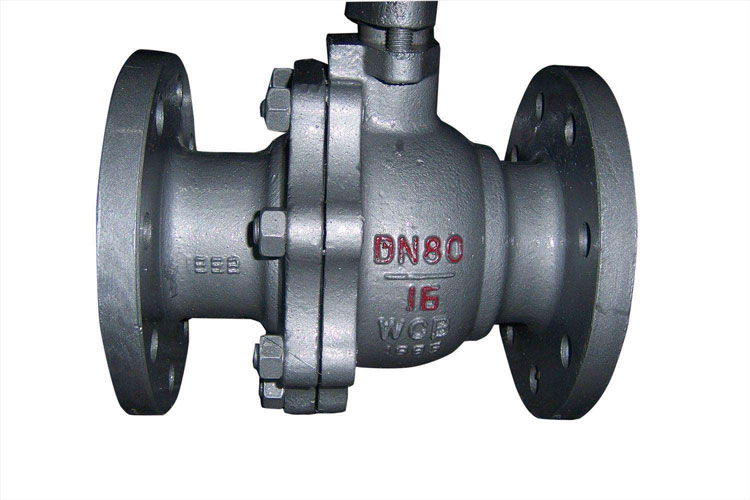 these parameter values, the system can automatically update the 3D model and engineering drawings, thus achieving high efficiency and accuracy in design.
2. Key Technologies for Achieving Valve Parametric Design
1. Selection of Modeling Software
To achieve parametric design, it is first necessary to select CAD software that supports parameterized modeling, such as SolidWorks, CATIA, Creo, AutoCAD, etc. These software packages have powerful parametric functions, supporting feature modeling, relationship-driven design, and the use of design tables.
2. Establishing a Parameterized Model Library
Establish parameterized model libraries for different types of valves (such as ball valves, gate valves, stop valves, etc.), including standard components and general structures. For example, the main control parameters of a ball valve can include ball diameter, valve body length, flange thickness, etc. Through modular design thinking, rapid assembly and configuration can be achieved.
3. Setting of Design Variables and Relationship Formulas
Set key variables during the modeling process and associate various size parameters through mathematical relationship formulas. For example: Valve outer diameter = bore diameter × 1.2; Flange bolt hole center distance = flange diameter × 0.8, etc. In this way, when modifying a parameter, the entire model structure will automatically adjust to maintain design consistency.
4. Use Design Tables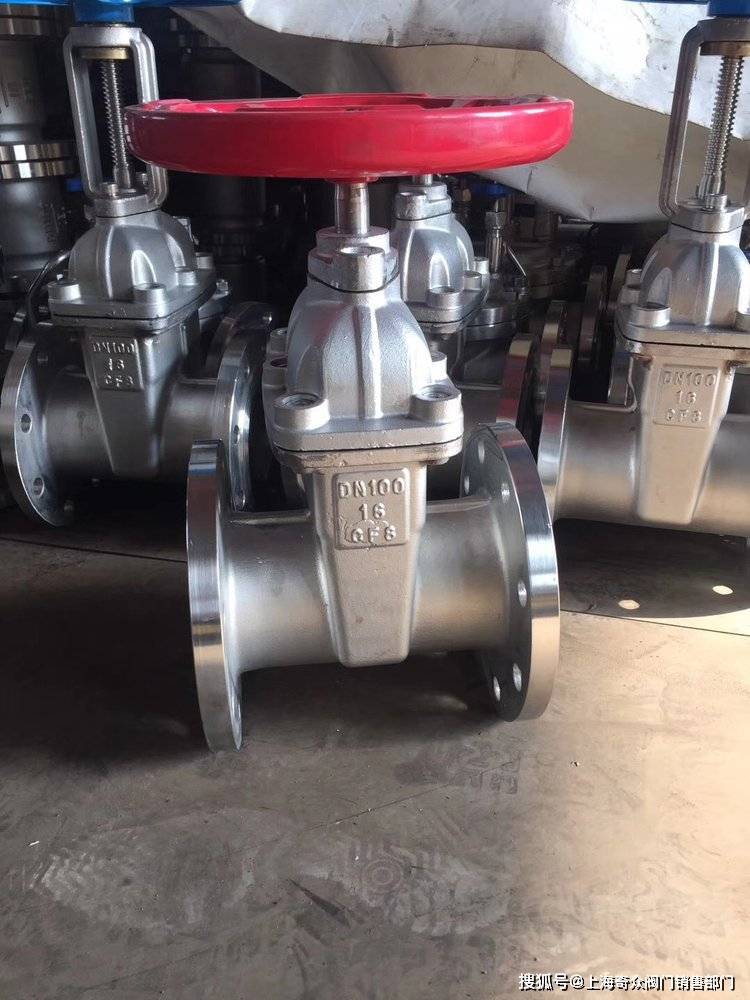 (Excel-driven)
Manage parameter values using external tables (such as Microsoft Excel) to achieve multi-configuration management. By importing different configuration parameters, the system can automatically generate corresponding valve models of the corresponding type, greatly improving design flexibility.
5. Integration of PDM/PLM Systems
Integrate parametric design with Product Data Management (PDM) or Product Lifecycle Management (PLM) systems to achieve unified management, version control, and collaborative design of design data, enhancing overall design efficiency and quality.
3. Advantages of Parametric Design
- Improve design efficiency: One-time modeling, multiple reuse, and reduce redundant labor.
- Shorten development cycles: Rapidly adjust design plans according to customer requirements.
- Reduce design error rates: Automatic association modification reduces human errors.
- Support customized production: Meet diverse customer needs and promote the transformation of the valve industry towards intelligent manufacturing.
4. Application Examples and Prospects
Currently, many valve enterprises have achieved full-process digital management from design, simulation to manufacturing by introducing parametric design systems. In the future, with the deep integration of artificial intelligence, big data, and CAD systems, parametric design will develop towards intelligence, and even realize automatic selection and optimization design based on customer needs.
In summary, parametric design of valves is not only an important means to enhance corporate competitiveness, but also a significant step towards the intelligent manufacturing of the valve industry. Enterprises should actively introduce relevant technical means, cultivate professional talents, and accelerate the pace of digital transformation to meet the demands of rapid market development.
Concept of Parametric Design
Parametric design is a computer-aided design (CAD) method based on parameter-driven. By setting key geometric parameters, designers can quickly generate, modify, and optimize product models. In valve design, parameters can include valve body size, flange diameter, bore diameter, pressure grade, material properties, and so on. By modifying
these parameter values, the system can automatically update the 3D model and engineering drawings, thus achieving high efficiency and accuracy in design.2. Key Technologies for Achieving Valve Parametric Design
1. Selection of Modeling Software
To achieve parametric design, it is first necessary to select CAD software that supports parameterized modeling, such as SolidWorks, CATIA, Creo, AutoCAD, etc. These software packages have powerful parametric functions, supporting feature modeling, relationship-driven design, and the use of design tables.
2. Establishing a Parameterized Model Library
Establish parameterized model libraries for different types of valves (such as ball valves, gate valves, stop valves, etc.), including standard components and general structures. For example, the main control parameters of a ball valve can include ball diameter, valve body length, flange thickness, etc. Through modular design thinking, rapid assembly and configuration can be achieved.
3. Setting of Design Variables and Relationship Formulas
Set key variables during the modeling process and associate various size parameters through mathematical relationship formulas. For example: Valve outer diameter = bore diameter × 1.2; Flange bolt hole center distance = flange diameter × 0.8, etc. In this way, when modifying a parameter, the entire model structure will automatically adjust to maintain design consistency.
4. Use Design Tables
(Excel-driven)Manage parameter values using external tables (such as Microsoft Excel) to achieve multi-configuration management. By importing different configuration parameters, the system can automatically generate corresponding valve models of the corresponding type, greatly improving design flexibility.
5. Integration of PDM/PLM Systems
Integrate parametric design with Product Data Management (PDM) or Product Lifecycle Management (PLM) systems to achieve unified management, version control, and collaborative design of design data, enhancing overall design efficiency and quality.
3. Advantages of Parametric Design
- Improve design efficiency: One-time modeling, multiple reuse, and reduce redundant labor.
- Shorten development cycles: Rapidly adjust design plans according to customer requirements.
- Reduce design error rates:
Automatic association modification reduces human errors.- Support customized production: Meet diverse customer needs and promote the transformation of the valve industry towards intelligent manufacturing.
4. Application Examples and Prospects
Currently, many valve enterprises have achieved full-process digital management from design, simulation to manufacturing by introducing parametric design systems. In the future, with the deep integration of artificial intelligence, big data, and CAD systems, parametric design will develop towards intelligence, and even realize automatic selection and optimization design based on customer needs.
In summary, parametric design of valves is not only an important means to enhance corporate competitiveness, but also a significant step towards the intelligent manufacturing of the valve industry. Enterprises should actively introduce relevant technical means, cultivate professional talents, and accelerate the pace of digital transformation to meet the demands of rapid market development.




TOP
18914229323