
 18914229323

How to consider the safety design of valves
Firstly,materialselectionisthefoundationforensuringthesafetyofvalves.Theworkingenvironmentofvalvesisoftencomplexandchangeable,facingchallengessuchashightemperature,highpressure,orcorrosivemedia.There...
Hotline
Firstly, material selection is the foundation for ensuring the safety of valves. The working environment of valves is often complex and changeable, facing challenges such as high temperature, high pressure, or corrosive media. Therefore, appropriate materials should be selected according to actual working conditions, such as stainless steel, carbon steel, alloy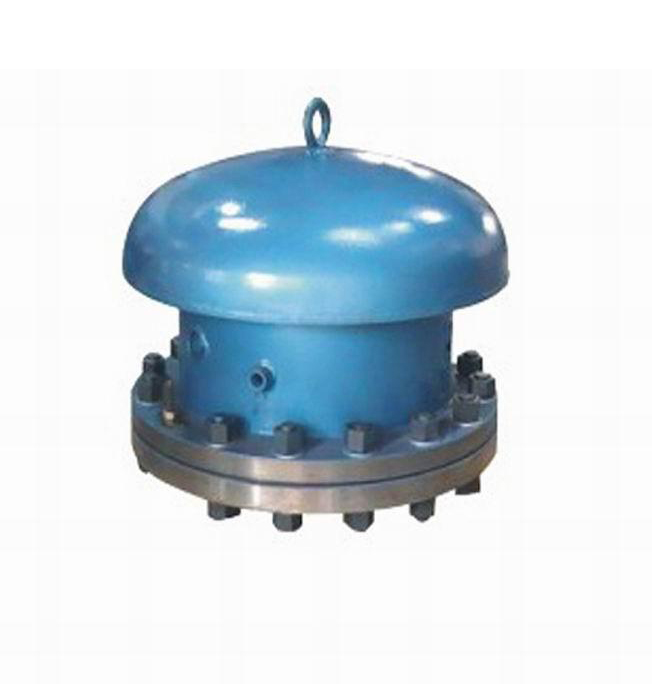 steel, or special alloys, to ensure that the valves do not corrode, fatigue, or fail during long-term operation.
Secondly, the structural design must be reasonable. The sealing performance of the valve is an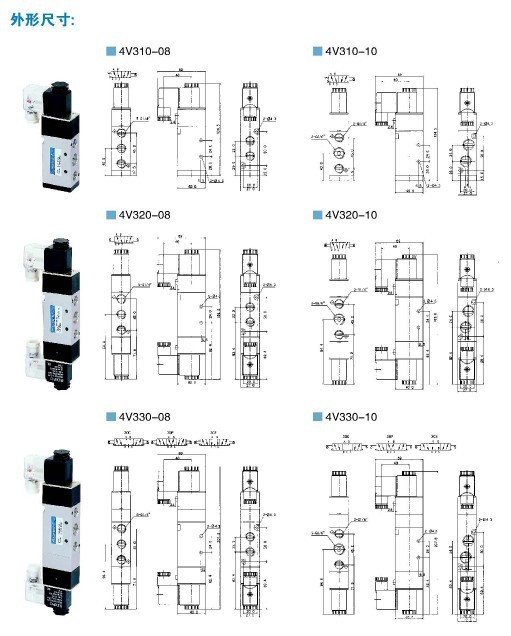 important manifestation of its safety. A good sealing structure can prevent medium leakage, avoid environmental pollution and safety accidents. The design should fully consider the material matching of the sealing surface, structural form (such as ball valves, gate valves, cut-off valves, etc.), and operation methods to ensure reliable sealing under various working conditions.
Thirdly, the safety of valve operation is also important. The choice of manual, electric, pneumatic, or hydraulic operation methods should be combined with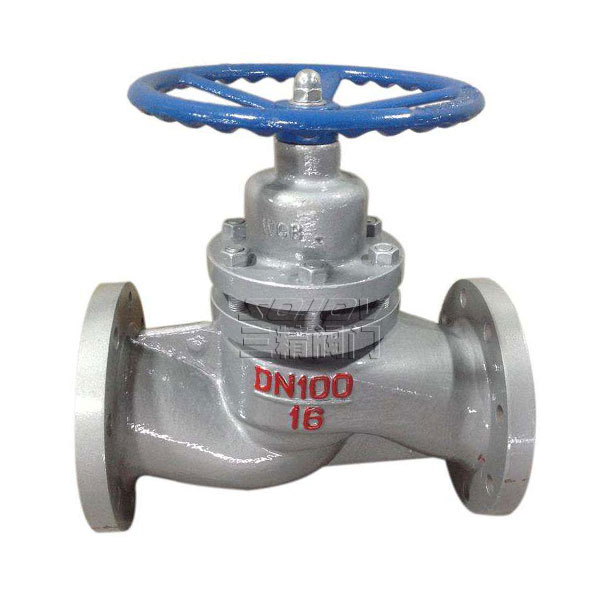 on-site conditions and usage requirements to ensure that emergency opening and closing operations can be carried out quickly and reliably. Moreover, design should also consider the prevention of incorrect operation mechanisms, such as setting limit switches, locking devices, or indicator signs, to enhance the overall system safety.
In addition, the safety of valves also needs to be guaranteed through rigorous design verification and testing. After manufacturing, valves should undergo a series of inspections including pressure testing, sealing testing, durability tests, and more, to ensure that they can operate safely within the designed pressure and temperature range. For valves applied in high-risk fields, third-party certification (such as API, ISO, etc.) is also required to enhance their safety and reliability.
Finally, considering possible future failures and maintenance needs, the concept of maintainability should be integrated into the design of valves. For example, easily replaceable seals and detachable connection structures should be set up to facilitate maintenance without interrupting system operation, thereby enhancing the overall system safety.
In summary, the safety design of valves is a systematic project, involving multiple aspects such as material selection, structural design, operation methods, testing and verification, and maintenance. Only by fully considering various potential risks at the initial design stage and taking corresponding preventive measures can the valves truly achieve safe and reliable operation in industrial systems.
Firstly, material selection is the foundation for ensuring the safety of valves. The working environment of valves is often complex and changeable, facing challenges such as high temperature, high pressure, or corrosive media. Therefore, appropriate materials should be selected according to actual working conditions, such as stainless steel, carbon steel, alloy
steel, or special alloys, to ensure that the valves do not corrode, fatigue, or fail during long-term operation.Secondly, the structural design must be reasonable. The sealing performance of the valve is an
important manifestation of its safety. A good sealing structure can prevent medium leakage, avoid environmental pollution and safety accidents. The design should fully consider the material matching of the sealing surface, structural form (such as ball valves, gate valves, cut-off valves, etc.), and operation methods to ensure reliable sealing under various working conditions.Thirdly, the safety of valve operation is also important. The choice of manual, electric, pneumatic, or hydraulic operation methods should be combined with
on-site conditions and usage requirements to ensure that emergency opening and closing operations can be carried out quickly and reliably. Moreover, design should also consider the prevention of incorrect operation mechanisms, such as setting limit switches, locking devices, or indicator signs, to enhance the overall system safety.In addition, the safety of valves also needs to be guaranteed through rigorous design verification and testing. After manufacturing, valves should undergo a series of inspections including pressure testing, sealing testing, durability tests, and more, to ensure that they can operate safely within the designed pressure and temperature range. For valves applied in high-risk fields, third-party certification (such as API, ISO, etc.) is also required to enhance their safety and reliability.
Finally, considering possible future failures and maintenance needs, the concept of maintainability should be integrated into the design of valves. For example, easily replaceable seals and detachable connection structures should be set up to facilitate maintenance without interrupting system operation, thereby enhancing the overall system safety.
In summary, the safety design of valves is a systematic project, involving multiple aspects such as material selection, structural design, operation methods, testing and verification, and maintenance. Only by fully considering various potential risks at the initial design stage and taking corresponding preventive measures can the valves truly achieve safe and reliable operation in industrial systems.




TOP
18914229323