
 18914229323
How to carry out valve structure optimization
Valves,askeycomponentsinfluidcontrolsystems,arewidelyusedinmanyindustriessuchasoil,chemicals,electricity,andmetallurgy.Theirperformancedirectlyaffectsthesafety,efficiency,andoperatingcostsofthesystem...
Hotline
Valves, as key components in fluid control systems, are widely used in many industries such as oil, chemicals, electricity, and metallurgy. Their performance directly affects the safety, efficiency, and operating costs of the system. With the development of industrial technology, traditional valve design has been unable to meet the increasingly complex working conditions, making the optimization of valve structure particularly important.
The core goal of valve structure optimization is to improve its sealing performance, flow regulation capability, durability, and operational efficiency. Optimization work usually involves the following aspects:
1. Optimization of Material Selection
Materials directly affect the strength, corrosion resistance, and service life of valves. Structural optimization should select appropriate materials based on the properties of the working medium (such as temperature, pressure, and corrosiveness). For example, heat-resistant alloy steel can be used in high-temperature and high-pressure environments, while stainless steel or fluoro-lined materials can be used for strongly corrosive media. Rational material selection can not only extend the service life of valves but also reduce maintenance costs.
2. Optimization of Sealing Structure
Sealing performance is one of the most critical technical indicators of valves. Common sealing structures include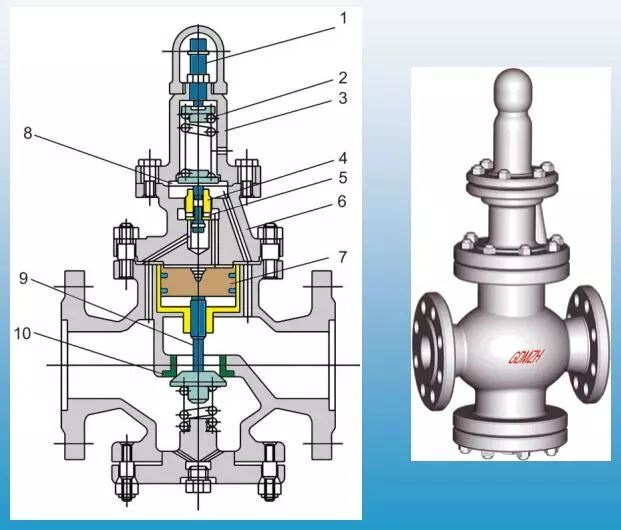 flat sealing, conical sealing, and spherical sealing. Optimization can be achieved by improving the geometric shape of the sealing surface, using composite sealing materials, or introducing elastic compensation mechanisms to enhance sealing reliability. For example, the introduction of elastic metal sealing rings in ball valves can effectively improve sealing performance and adapt to different working conditions.
3. Optimization of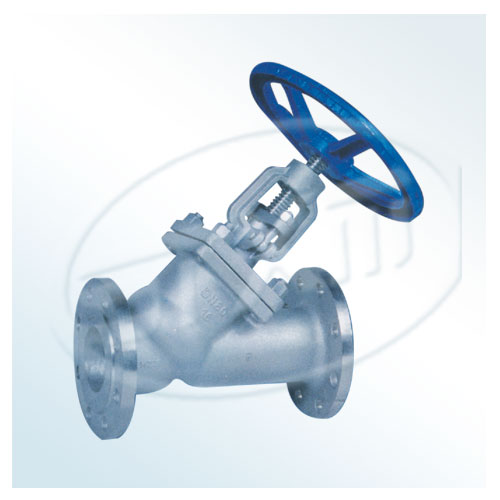 Channel Design
The channel structure affects the resistance, turbulence, and energy loss of fluid flow. Optimized design should minimize dead zones, vortex regions, and abrupt cross-sections in the channel to reduce flow resistance and improve flow capacity. The introduction of CFD (Computational Fluid Dynamics) simulation technology allows for the simulation and analysis of internal flow conditions in the channel during the design phase, thereby achieving precise optimization.
4. Optimization of Driving and Actuating Mechanisms
The operation torque, response speed, and degree of automation of valves are closely related to their driving structure. For large or high-frequency-operated valves, pneumatic, electric, or hydraulic actuators can be used to replace manual operation, improving operational efficiency and safety. At the same time, the linkage structure between the actuator and the valve body also needs to be optimized synchronously to ensure smooth transmission and rapid response.
5. Optimization of Manufacturing Processes and Assembly
Advanced manufacturing processes can improve the processing accuracy and consistency of valves, thereby enhancing their overall performance. Techniques such as numerical control machining, laser welding, and surface hardening treatment can significantly improve the precision and durability of components. In addition, the assembly process should strictly control the fitting clearance and preload to ensure a compact structure and stable operation.
In summary, valve structure optimization is a systematic project that requires comprehensive consideration of materials, sealing, fluid dynamics, and transmission, among other aspects. Through scientific design and advanced simulation analysis methods, combined with modern manufacturing technology, it can effectively enhance the overall performance of valves, meet the application requirements under complex working conditions, and promote the efficient and safe operation of industrial equipment.
Valves, as key components in fluid control systems, are widely used in many industries such as oil, chemicals, electricity, and metallurgy. Their performance directly affects the safety, efficiency, and operating costs of the system. With the development of industrial technology, traditional valve design has been unable to meet the increasingly complex working conditions, making the optimization of valve structure particularly important.
The core goal of valve structure optimization is to improve its sealing performance, flow regulation capability, durability, and operational efficiency. Optimization work usually involves the following aspects:
1. Optimization of Material Selection
Materials directly affect the strength, corrosion resistance, and service life of valves. Structural optimization should select appropriate materials based on the properties of the working medium (such as temperature, pressure, and corrosiveness). For example, heat-resistant alloy steel can be used in high-temperature and high-pressure environments, while stainless steel or fluoro-lined materials can be used for strongly corrosive media. Rational material selection can not only extend the service life of valves but also reduce maintenance costs.
2. Optimization of Sealing Structure
Sealing performance is one of the most critical technical indicators of valves. Common sealing structures include
flat sealing, conical sealing, and spherical sealing. Optimization can be achieved by improving the geometric shape of the sealing surface, using composite sealing materials, or introducing elastic compensation mechanisms to enhance sealing reliability. For example, the introduction of elastic metal sealing rings in ball valves can effectively improve sealing performance and adapt to different working conditions.3. Optimization of
Channel DesignThe channel structure affects the resistance, turbulence, and energy loss of fluid flow. Optimized design should minimize dead zones, vortex regions, and abrupt cross-sections in the channel to reduce flow resistance and improve flow capacity. The introduction of CFD (Computational Fluid Dynamics) simulation technology allows for the simulation and analysis of internal flow conditions in the channel during the design phase, thereby achieving precise optimization.
4. Optimization of Driving and Actuating Mechanisms
The operation torque, response speed, and degree of automation of valves are closely related to their driving structure. For large or high-frequency-operated valves, pneumatic, electric, or hydraulic actuators can be used to replace manual operation, improving operational efficiency and safety. At the same time, the linkage structure between the actuator and the valve body also needs to be optimized synchronously to ensure smooth transmission and rapid response.
5. Optimization of Manufacturing Processes and Assembly
Advanced manufacturing processes can improve the processing accuracy and consistency of valves, thereby enhancing their overall performance. Techniques such as numerical control machining, laser welding, and surface hardening treatment can significantly improve the precision and durability of components. In addition, the assembly process should strictly control the fitting clearance and preload to ensure a compact structure and stable operation.
In summary, valve structure optimization is a systematic project that requires comprehensive consideration of materials, sealing, fluid dynamics, and transmission, among other aspects. Through scientific design and advanced simulation analysis methods, combined with modern manufacturing technology, it can effectively enhance the overall performance of valves, meet the application requirements under complex working conditions, and promote the efficient and safe operation of industrial equipment.




TOP
18914229323