
 18914229323

How to Conduct Low-Temperature Testing of Valves
Valves,askeycontrolcomponentsinpipelinesystems,arewidelyusedinmanyfieldssuchasoil,naturalgas,chemicals,andrefrigeration.Undersomespecialworkingconditions,valvesneedtooperatenormallyunderextremelowtem...
Hotline
Valves, as key control components in pipeline systems, are widely used in many fields such as oil, natural gas, chemicals, and refrigeration. Under some special working conditions, valves need to operate normally under extreme low temperatures, so testing their low-temperature performance is particularly important. Low-temperature testing is an important means to verify whether valves have good sealing and operating performance at the design temperature.
I. Purpose of Low-Temperature Test
The main purpose of the low-temperature test of valves is to verify whether the sealing performance, opening and closing performance, and structural strength of the valves meet the design requirements under low-temperature conditions. Through low-temperature testing, the brittleness tendency of materials under low temperatures, the adaptability of the sealing structure, and the reliability of the operating mechanism can be discovered, thus ensuring that valves can work safely and stably in actual applications.
II. Preparations Before the Test
1. Sample Preparation: Select valve samples that match the actual operating conditions, ensuring that they are clean and free of impurities, and that all components are assembled completely.
2. Test Medium: Liquid nitrogen is generally used as the cooling medium due to its fast cooling speed, low temperature, and ease of control.
3. Test Equipment: Professional equipment such as low-temperature boxes, temperature measuring devices, pressure sources, and seal detection devices are required to ensure the accuracy of the test data.
4. Temperature Control: Set the appropriate test temperature according to the design temperature of the valve, usually between -40℃ and -196℃.
III. Test Steps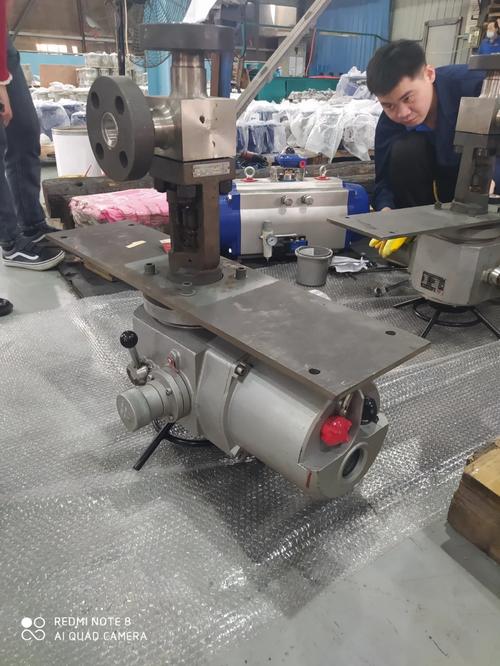
1. Pre-cooling Treatment: Place the valve in a low-temperature box, gradually cool it to the set temperature, and maintain it for a period of time to ensure that the temperature of each part of the valve body is uniform.
2. Low-Temperature Pressure Holding: Design pressure is applied to the valve at the set temperature, and deformation or leakage of the valve body is checked.
3. Opening and Closing Test: Simulating the actual operation process, the valve is opened and closed multiple times to check whether the operation is flexible and reliable.
4. Sealability Testing: Sealability tests are carried out on both the high-pressure and low-pressure sides, and leakage is checked using methods such as air tightness detectors or soap water to determine if there is any leakage.
5. Inspection after returning to normal temperature: After the test is completed, check the structural integrity and operational performance of the valve again after it returns to normal temperature.
IV. Test Standards and Judgment Basis
Low-temperature tests should be carried out in accordance with relevant international or national standards, such as GB/T 20801, API 6D, BS 6364, etc. The criteria for determining the qualification of the test include: no visible leakage, operation torque meets the requirements, no cracks or deformation of the housing, and other abnormal phenomena.
V. Conclusion
With the development of industrial technology, more and more valves need to operate stably under extreme low temperatures for a long time. Therefore, conducting scientific and standardized low-temperature tests is not only an important link in product quality control, but also a key measure to ensure the safe operation of equipment. By strictly implementing the low-temperature test process, the reliability and market competitiveness of valve products can be effectively improved.
Valves, as key control components in pipeline systems, are widely used in many fields such as oil, natural gas, chemicals, and refrigeration. Under some special working conditions, valves need to operate normally under extreme low temperatures, so testing their low-temperature performance is particularly important. Low-temperature testing is an important means to verify whether valves have good sealing and operating performance at the design temperature.
I. Purpose of Low-Temperature Test
The main purpose of the low-temperature test of valves is to verify whether the sealing performance, opening and closing performance, and structural strength of the valves meet the design requirements under low-temperature conditions. Through low-temperature testing, the brittleness tendency of materials under low temperatures, the adaptability of the sealing structure, and the reliability of the operating mechanism can be discovered, thus ensuring that valves can work safely and stably in actual applications.
II. Preparations Before the Test
1. Sample Preparation: Select valve samples that match the actual operating conditions, ensuring that they are clean and free of impurities, and that all components are assembled completely.
2. Test Medium: Liquid nitrogen is generally used as the cooling medium due to its fast cooling speed, low temperature, and ease of control.
3. Test Equipment: Professional equipment such as low-temperature boxes, temperature measuring devices, pressure sources, and seal detection devices are required to ensure the accuracy of the test data.
4. Temperature Control: Set the appropriate test temperature according to the design temperature of the valve, usually between -40℃ and -196℃.
III. Test Steps
1. Pre-cooling Treatment: Place the valve in a low-temperature box, gradually cool it to the set temperature, and maintain it for a period of time to ensure that the temperature of each part of the valve body is uniform.
2. Low-Temperature Pressure Holding: Design pressure is applied to the valve at the set temperature, and deformation or leakage of the valve body is checked.
3. Opening and Closing Test: Simulating the actual operation process, the valve is opened and closed multiple times to check whether the operation is flexible and reliable.
4. Sealability Testing: Sealability tests are carried out on both the high-pressure and low-pressure sides, and leakage is checked using methods such as air tightness detectors or soap water to determine if there is any leakage.
5. Inspection after returning to normal temperature: After the test is completed, check the structural integrity and operational performance of the valve again after it returns to normal temperature.
IV. Test
Standards and Judgment BasisLow-temperature tests should be carried out in accordance with relevant international or national standards, such as GB/T 20801, API 6D, BS 6364, etc. The criteria for determining the qualification
of the test include: no visible leakage, operation torque meets the requirements, no cracks or deformation of the housing, and other abnormal phenomena.V. Conclusion
With the development of industrial technology, more and more valves need to operate stably under extreme low temperatures for a long time. Therefore, conducting scientific and standardized low-temperature tests is not only an important link in product quality control, but also a key measure to ensure the safe operation of equipment. By strictly implementing the low-temperature test process, the reliability and market competitiveness of valve products can be effectively improved.




TOP
18914229323