
 18914229323

How to apply fluid mechanics
Fluidmechanicsisthesciencethatstudiesthelawsofmotionoffluids(liquidsandgases)undertheactionofforcesandtheirinteractionswithsolidboundaries.Itisoneoftheimportantfundamentaldisciplinesinengineeringscie...
Hotline
Fluid mechanics is the science that studies the laws of motion of fluids (liquids and gases) under the action of forces and their interactions with solid boundaries. It is one of the important fundamental disciplines in engineering science. It is not only significant in theoretical research but also has a wide range of applications in engineering practice. From daily life to aeronautics and astronautics, the application of fluid mechanics is ubiquitous.
Firstly, in the field of aeronautics and astronautics, fluid mechanics plays a crucial role. The design of aircraft, rockets, satellites, and other spacecraft all rely on
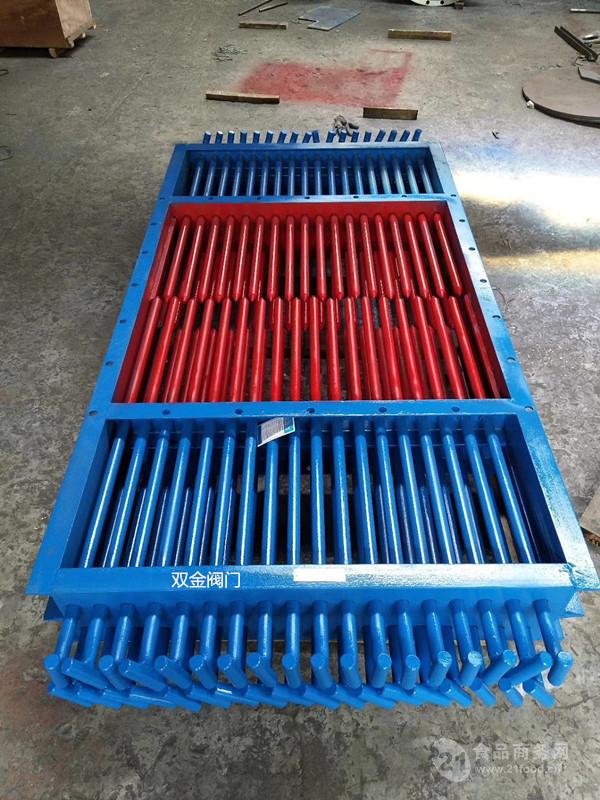 aerodynamic research. Through fluid mechanics analysis, the lift, drag,
 and stability parameters of the vehicle during flight can be calculated, thereby optimizing its external design and improving performance and efficiency. For example, in the design of aircraft wings, the principles of fluid mechanics can be used to maximize lift and minimize drag, thus enhancing flight efficiency.
Furthermore, fluid mechanics is also widely used in hydraulic engineering. For example, the design of dams, river channel management, flood prediction and control, and more all rely on the principles of fluid mechanics. By simulating the movement of water, the safety and functionality of hydraulic engineering projects can be effectively assessed, preventing the occurrence of flood disasters. In addition, the optimized design of urban drainage systems also cannot be separated from the research on fluid flow characteristics.
In mechanical engineering, fluid mechanics is widely used in the design of hydraulic and pneumatic systems. For example, the braking system of cars, hydraulic transmission devices of construction machinery, and more all depend on the understanding and application of fluid flow laws. By precisely controlling the pressure and flow rate of fluids, the efficient operation of machinery and equipment can be achieved.
Moreover, in environmental science, fluid mechanics also plays a significant role. For example, atmospheric pollution diffusion models, ocean circulation simulations, the development of wind and water energy, and more all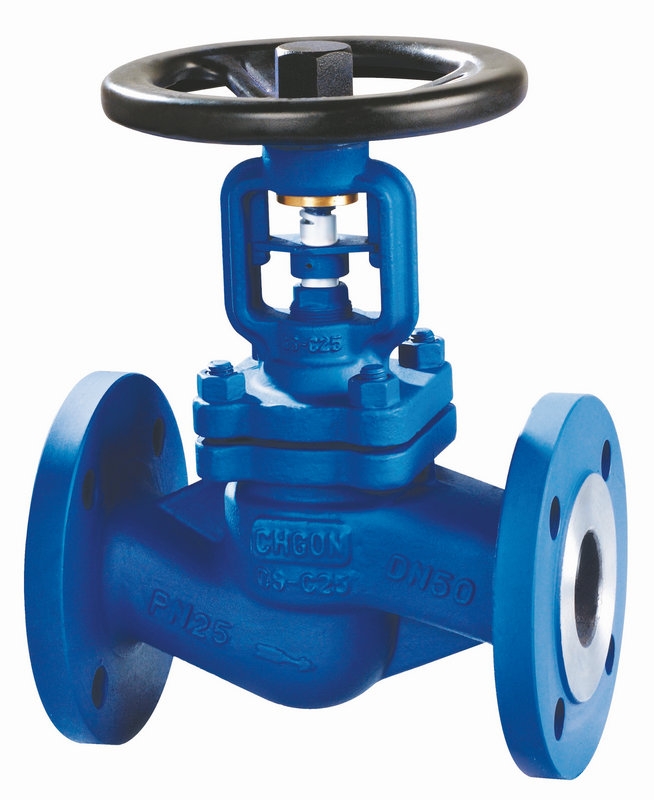 rely on the support of fluid mechanics. By establishing fluid motion models, scientists can predict the paths of pollutants and provide scientific evidence for environmental protection.
In summary, as a fundamental and practical discipline, fluid mechanics covers a wide range of applications in fields such as aeronautics and astronautics,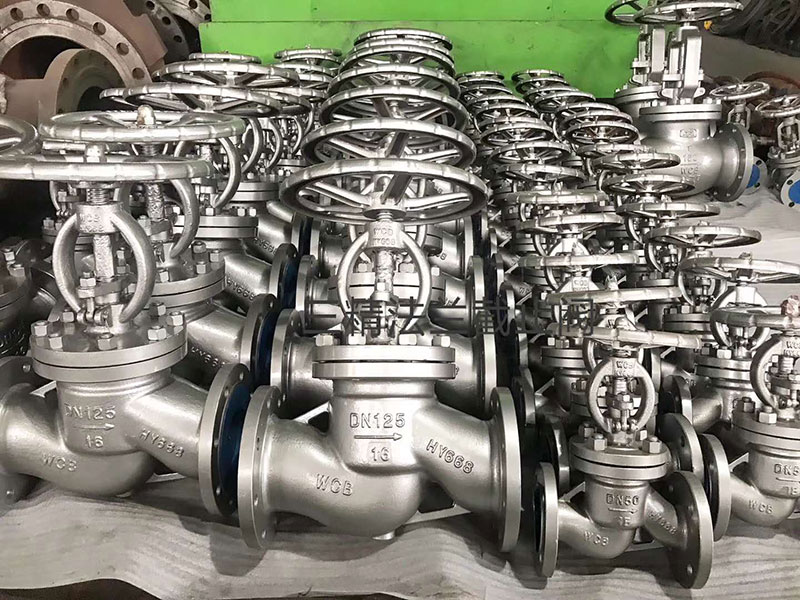 mechanical manufacturing, hydraulic engineering, environmental science, and more. With the development of technology and the rise of numerical simulation and computational fluid dynamics (CFD), the application of fluid mechanics has become more profound and extensive. In the future, fluid mechanics will continue to play a crucial role in engineering design and scientific research, providing strong technical support for the development of human society.
Fluid mechanics is the science that studies the laws of motion of fluids (liquids and gases) under the action of forces and their interactions with solid boundaries. It is one of the important fundamental disciplines in engineering science. It is not only significant in theoretical research but also has a wide range of applications in engineering practice. From daily life to aeronautics and astronautics, the application of fluid mechanics is ubiquitous.
Firstly, in the field of aeronautics and astronautics,
fluid mechanics plays a crucial role. The design of aircraft, rockets, satellites, and other spacecraft all rely onaerodynamic research. Through fluid mechanics analysis, the lift, drag,and stability parameters of the vehicle during flight can be calculated, thereby optimizing its external design and improving performance and efficiency. For example, in the design of aircraft wings, the principles of fluid mechanics can be used to maximize lift and minimize drag, thus enhancing flight efficiency.Furthermore, fluid mechanics is also widely used in hydraulic engineering. For example, the design of dams, river channel management, flood prediction and control, and more all rely on the principles of fluid mechanics. By simulating the movement of water, the safety and functionality of hydraulic engineering projects can be effectively assessed, preventing the occurrence of flood disasters. In addition, the optimized design of urban drainage systems also cannot be separated from the research on fluid flow characteristics.
In mechanical engineering, fluid mechanics is widely used in the design of hydraulic and pneumatic systems. For example, the braking system of cars, hydraulic transmission devices of construction machinery, and more all depend on the understanding and application of fluid flow laws. By precisely controlling the pressure and flow rate of fluids, the efficient operation of machinery and equipment can be achieved.
Moreover, in environmental science, fluid mechanics also plays a significant role. For example, atmospheric pollution diffusion models, ocean circulation simulations, the development of wind and water energy, and more all
rely on the support of fluid mechanics. By establishing fluid motion models, scientists can predict the paths of pollutants and provide scientific evidence for environmental protection.In summary, as a fundamental and practical discipline, fluid mechanics covers a wide range of applications in fields such as aeronautics and astronautics,
mechanical manufacturing, hydraulic engineering, environmental science, and more. With the development of technology and the rise of numerical simulation and computational fluid dynamics (CFD), the application of fluid mechanics has become more profound and extensive. In the future, fluid mechanics will continue to play a crucial role in engineering design and scientific research, providing strong technical support for the development of human society.




TOP
18914229323