
 18914229323

How to optimize the operability of valves
Firstly,optimizingtheoperabilityofvalvesshouldstartfromthedesignstage.Whenselectingtypes,factorssuchasmediumcharacteristics,workingpressure,temperature,andoperationfrequencyshouldbeconsideredtochoose...
Hotline
Firstly, optimizing the operability of valves should start from the design stage. When selecting types, factors such as medium characteristics, working pressure, temperature, and operation frequency should be considered to choose the appropriate type of valve and driving method. For example, for working conditions that require frequent operation, it is advisable to choose electric or pneumatic actuators to reduce the intensity of manual operation and improve response speed. For emergency shutdown operations, quick opening and closing valves such as ball valves or butterfly valves should be given priority consideration.
Secondly, in terms of installation layout, it is necessary to ensure that there is sufficient operating space for valves, which is convenient for personnel to approach and operate. The handwheels and actuators of the valves should be set in easily accessible locations, and efforts should be made to avoid interference with other equipment or pipelines. In addition, reasonable pipeline layout and support structures can also effectively reduce vibration and resistance during operation, improving the stability and comfort of the operation.
Third, the application of intelligent and automated technology is a key means to enhance the operability of valves. By installing intelligent actuators and remote control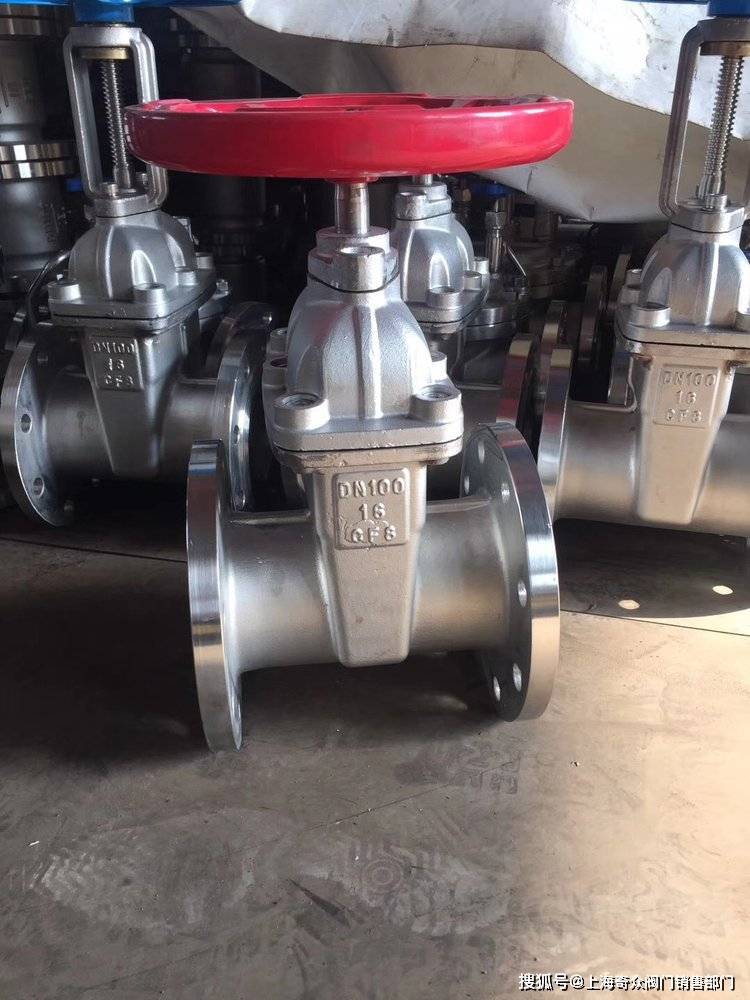 systems, it is possible to achieve remote monitoring and operation of valves, significantly reducing the workload of manual inspections and operations, especially suitable
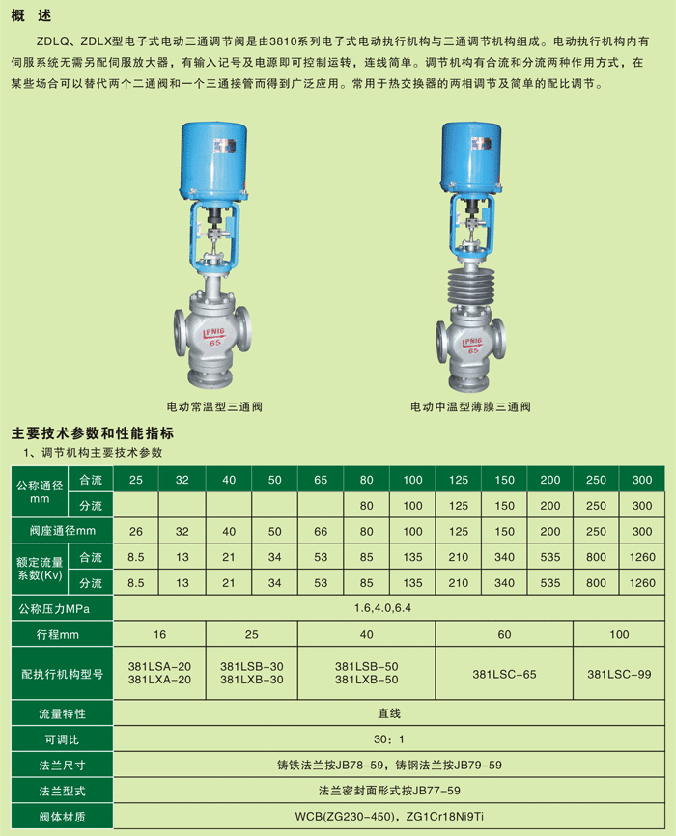 for high temperature, high pressure, or toxic and harmful environments. At the same time, the intelligent system can also record operation data and
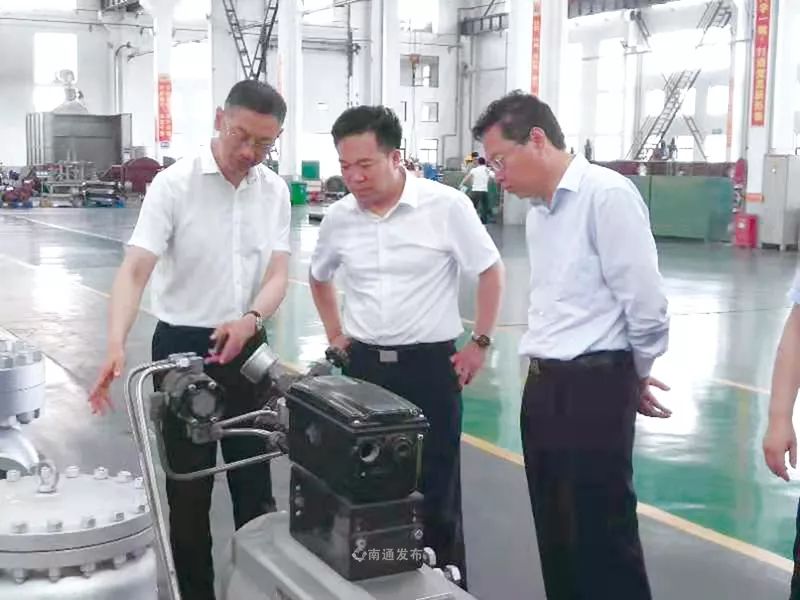 warn of abnormal conditions, enhancing the safety and reliability of the system.
Fourth, regular maintenance and maintenance cannot be ignored. Regular inspections of the valve's sealing, lubrication, and the operating status of the actuator can help to identify potential faults in a timely manner, preventing the occurrence of inoperative or sticky phenomena. Measures such as using appropriate lubricating materials and replacing aging seals also help to extend the service life of the valve and maintain good operating performance.
Finally, the training of operators is also a key link in optimizing the operability of valves. Through systematic training, operators can become familiar with the operation procedures, emergency handling processes, and safety precautions of various valves, which helps to reduce errors in operation and improve overall operational efficiency.
In summary, optimizing the operability of valves is a systematic project that requires comprehensive consideration from multiple aspects, including design selection, installation layout, automation control, daily maintenance, and personnel training. Only through scientific planning and continuous improvement can we achieve the efficient, stable, and safe operation of the valve system, providing a strong guarantee for industrial production.
Firstly, optimizing the operability of valves should start from the design stage. When selecting types, factors such as medium characteristics, working pressure, temperature, and operation frequency should be considered to choose the appropriate type of valve and driving method. For example, for working conditions that require frequent operation, it is advisable to choose electric or pneumatic actuators to reduce the intensity of manual operation and improve response speed. For emergency shutdown operations, quick opening and closing valves such as ball valves or butterfly valves should be given priority consideration.
Secondly, in terms of installation layout, it is necessary to ensure that there is sufficient operating space for valves, which is convenient for personnel to approach and operate. The handwheels and actuators of the valves should be set in easily accessible locations, and efforts should be made to avoid interference with other equipment or pipelines. In addition, reasonable pipeline layout and support structures can also effectively reduce vibration and resistance during operation, improving the stability and comfort of the operation.
Third, the application of intelligent and automated technology is a key means to enhance the operability of valves. By installing intelligent actuators and remote control
systems, it is possible to achieve remote monitoring and operation of valves, significantly reducing the workload of manual inspections and operations, especially suitablefor high temperature, high pressure, or toxic and harmful environments. At the same time, the intelligent system can also record operation data and warn of abnormal conditions, enhancing the safety and reliability of the system.Fourth, regular maintenance and maintenance cannot be ignored. Regular inspections of the valve's sealing, lubrication, and the operating status of the actuator can help to identify potential faults in a timely manner, preventing the occurrence of inoperative or sticky phenomena. Measures such as using appropriate lubricating materials and replacing aging seals also help to extend the service life of the valve and maintain good operating performance.
Finally, the training of operators is also a key link in optimizing the operability of valves. Through systematic training, operators can become familiar with the operation procedures, emergency handling processes, and safety precautions of various valves, which helps to reduce errors in operation and improve overall operational efficiency.
In summary, optimizing the operability of valves is a systematic project that requires comprehensive consideration from multiple aspects, including design selection, installation layout, automation control, daily maintenance, and personnel training. Only through scientific planning and continuous improvement can we achieve the efficient, stable, and safe operation of the valve system, providing a strong guarantee for industrial production.




TOP
18914229323